


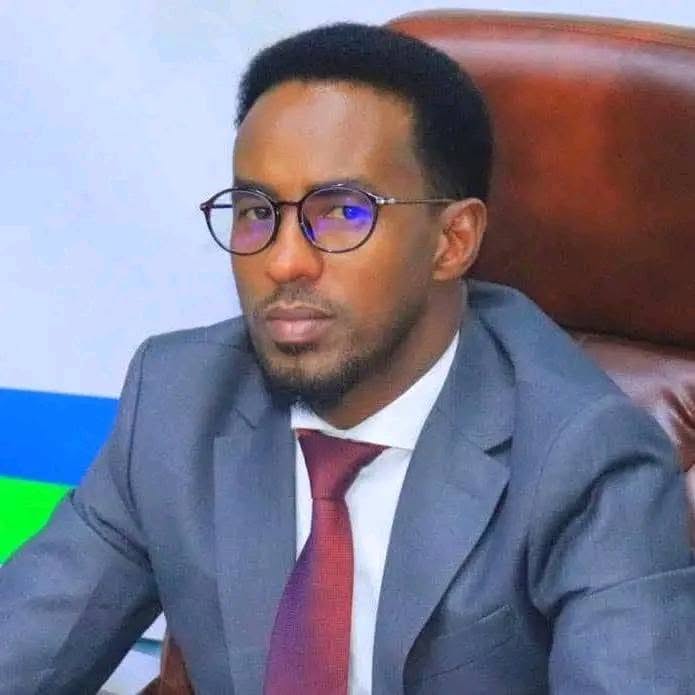


Muuse Salaad Wehliye has announced his resignation as governor of Hiiraan Region, citing disagreements with senior Hirshabelle State officials over how to address longstanding grievances among local communities.
In his resignation letter, submitted to Hirshabelle’s leadership, the state’s interior minister, vice president and the President of Somalia, Wehliye outlined the reasons behind his decision to leave office.
He said his departure was not driven solely by personal considerations but reflected fundamental differences over the approach to public complaints and demands in Hiiraan.
The former governor stressed that community grievances could not be resolved through the use of weapons, coercion, intimidation or disregard for public concerns.
He argued that a lasting solution required genuine consultation, honest dialogue, acknowledgement of grievances and practical measures capable of restoring public confidence.
His remarks suggest that the disagreement extended beyond administrative responsibilities or appointments to a broader dispute over how Hirshabelle’s authorities should engage with communities in Hiiraan.
Concerns over political representation, the distribution of power and the management of regional affairs have featured prominently in political discussions across the region.
Wehliye was appointed governor on October 19, 2026, after Hirshabelle President Ali Gudlawe removed his predecessor, Mohamed Hussein Mohamed Arab, from the position.
His appointment came amid continuing tensions over the state administration’s relationship with sections of the Hiiraan population, including disputes over local governance, political representation and the allocation of revenue generated in Beledweyne.
Days after taking office, Wehliye declared that he would not leave Beledweyne, following demands by groups opposed to the Hirshabelle administration that state officials withdraw from the city.
The statement highlighted the difficult political environment in which he assumed the governorship.
His resignation announcement came at a sensitive moment for Hirshabelle, as the state continues to face political tensions over its handling of grievances in Hiiraan.
Some media outlets reported that Wehliye announced his decision on November 8, the same day President Ali Gudlawe’s inauguration ceremony was held in Jowhar.
It remains unclear whether Hirshabelle’s leadership has formally accepted the resignation.
An announcement by an official that he intends to step down does not, in itself, establish that the relevant authorities have accepted the decision or completed the process of appointing a successor.
The development raises questions about how the state administration will manage the situation in Hiiraan and who will assume responsibility for the governor’s office if the resignation is formally approved.
It also places renewed attention on the disagreement between local communities and state authorities over how political and administrative complaints should be addressed.
The Federal Government may also face calls to help facilitate dialogue, particularly because Wehliye sent his resignation letter to President Hassan Sheikh Mohamud as well as senior Hirshabelle officials.
However, any federal role in resolving the dispute would depend on engagement with the state administration and the relevant local stakeholders.
The governor’s decision has brought the wider debate over governance in Hiiraan back into focus.
While maintaining security and functioning public institutions remains a central responsibility of any administration, restoring public confidence also requires consultation, political representation and credible efforts to address community concerns.

