


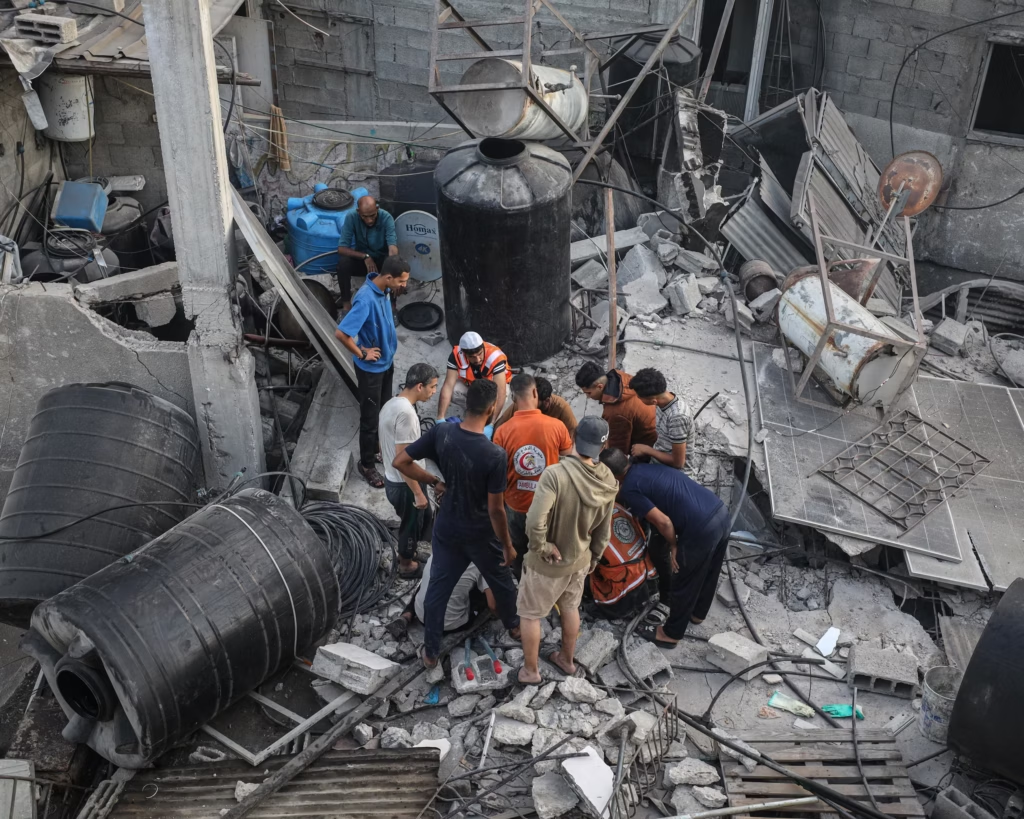


Gaza (KAAB TV) – Overnight, the Israel Defense Forces (IDF) carried out a wave of airstrikes across the Gaza Strip. The local health authorities in Gaza report at least 104 people killed, among them many children.
Of the victims, some sources say 46 children were among the dead.
The strikes followed a reported incident in which an Israeli soldier was killed in the southern Gaza city of Rafah during operations. Israel accuses Hamas of being responsible.
The strikes mark the deadliest violation of the cease-fire that went into effect on October 10, 2025.
The Israeli government announced the ceasefire is “resumed”, even as questions remain about how long it will hold.
The high civilian death toll, especially children, underscores how vulnerable non-combatants are in densely populated areas like Gaza, where airstrikes risk hitting homes, shelters, tents, or other places where civilians are located.
A soldier’s death being used as a trigger for large-scale airstrikes illustrates the rapid escalation dynamic: one incident can lead to broad retaliation.
The strike represents a serious breach (or near-breach) of the cease-fire agreement, which raises questions about whether the truce can hold.
Humanitarian consequences: hospitals are overwhelmed, infrastructure is likely damaged, and the risk of further civilian casualties and suffering increases dramatically.
Israel attributes the soldier’s death to Hamas fire; Hamas denies involvement. This ambiguity complicates efforts to determine who initiated the escalation.
The cease-fire was fragile to begin with. The latest violence tests its durability. Whether one side will escalate further depends on how each interprets the other’s actions.
With many deaths reported (and many children among them), the question of whether military targets were hit or whether civilian areas were struck becomes central to both humanitarian and legal assessments.
In the chaos of bombardment, rescue and medical services struggle. Some victims may be under rubble. Confirming numbers (of dead, wounded, missing) is harder.
The U.S. and other mediators brokered the cease-fire; now the escalation puts pressure on them and on Israel and Hamas alike. For example, the U.S. was notified ahead of time, according to some reports.
The Gaza Strip has been under intense bombardment since the war began, with tens of thousands of Palestinian deaths in total.
Gaza is one of the most densely populated places in the world; distinguishing combatants and civilians is challenging, and conducting air operations there carries high risk for civilian harm.
Historically, cease-fires in this conflict have often been short-lived if underlying issues (hostage matters, tunnels, rocket fire, occupation concerns) are not addressed.