

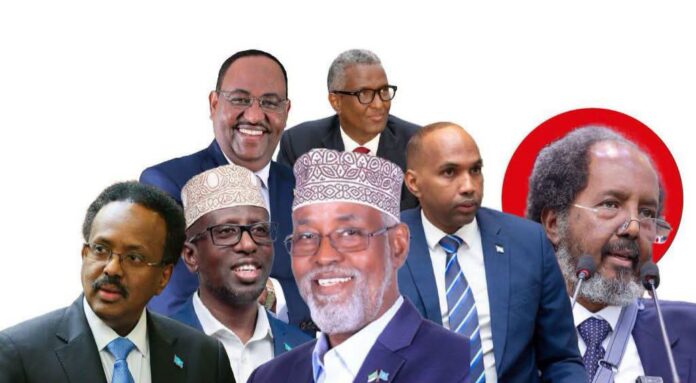

High-level political talks between the Somali Federal Government and the opposition coalition opened in Mogadishu on Tuesday, in what is being widely viewed as one of the most consequential negotiations in recent years over the country’s electoral process, constitutional dispute, and political transition.
The closed-door meeting is taking place under an unprecedented international mediation and guarantee framework, with Turkey, ambassadors from several Western countries, the European Union, and the United Nations directly participating as facilitators and observers. Journalists have not been granted access to the negotiations.
The involvement of major international partners reflects growing concern over Somalia’s prolonged political impasse and increasing pressure on both sides to reach a comprehensive agreement on elections, constitutional reforms, and the country’s broader political future.
According to sources familiar with the discussions, the negotiations are centered on several critical issues, including the framework for the next national elections, constitutional disagreements, power-sharing arrangements, and the management of Somalia’s ongoing political transition.
The talks come amid heightened political tensions following months of disputes over electoral reforms and governance. Domestic political actors and international partners have repeatedly urged Somali leaders to resolve their differences through dialogue and consensus in order to prevent further instability.
The Future Council, which brings together Puntland, Jubaland, and the National Salvation Forum, enters the negotiations with significantly greater political leverage than in previous rounds. The coalition has increasingly been recognized by international partners as a key stakeholder whose participation is considered essential to any sustainable political settlement.
That recognition marks a notable shift from the Federal Government’s earlier position, which had resisted granting the opposition formal political status in negotiations concerning Somalia’s future governance.
Observers say the active role being played by Turkey and Western partners is intended not only to facilitate dialogue but also to provide international guarantees that any agreements reached will be implemented, rather than remaining political commitments without enforcement.
Diplomatic analysts also view the meeting as evidence that Somalia’s political crisis has entered a new phase, where major national decisions are increasingly being shaped through international engagement alongside domestic negotiations.
The outcome of the talks is expected to have far-reaching implications for Somalia’s electoral roadmap, constitutional reforms, institutional legitimacy, and political stability. With deep divisions remaining between the government and opposition, many observers consider the negotiations a critical opportunity to prevent further political polarization and lay the groundwork for a broader national consensus on the country’s future.