

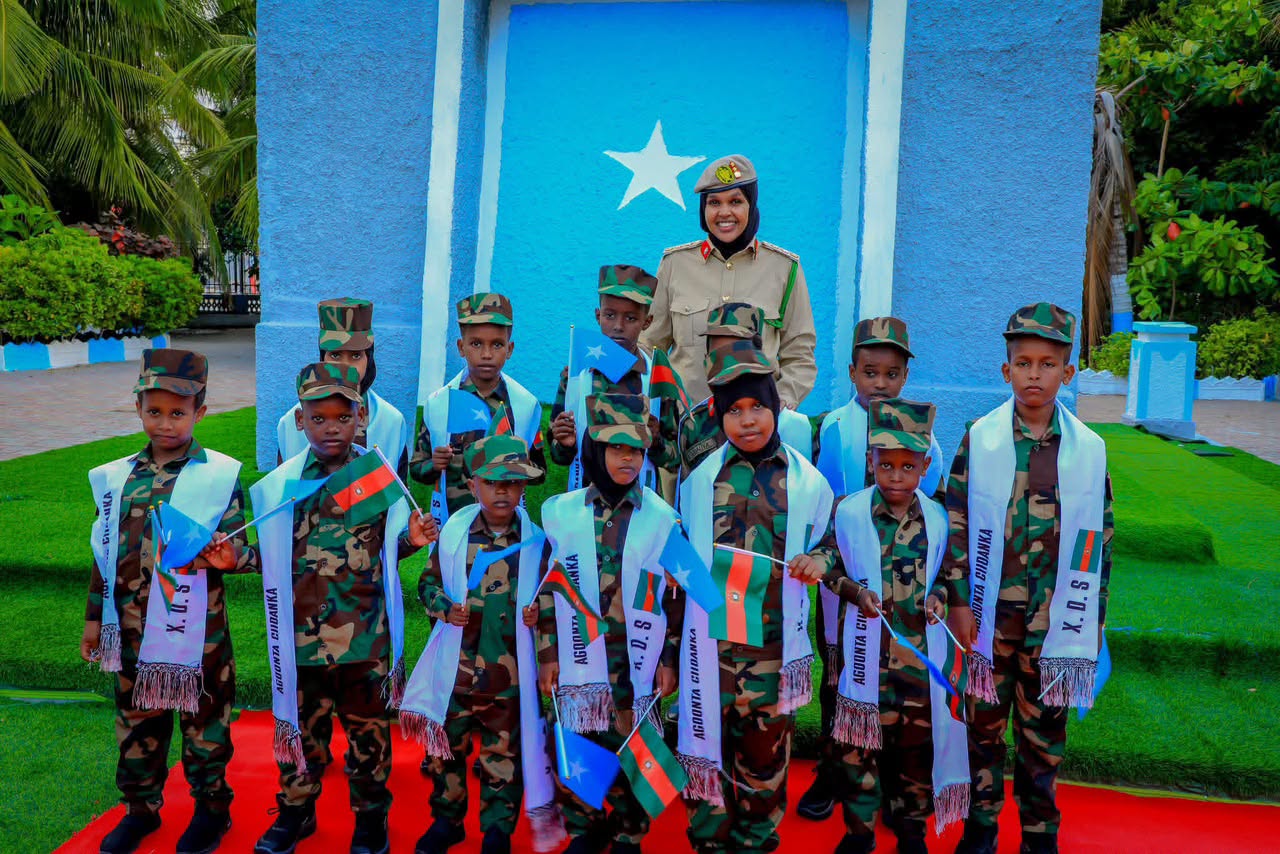

Families caring for children of Somali National Army soldiers killed in the fight against Al-Shabaab say government support payments provided to those children have been reduced by half.
According to the families, monthly payments that previously stood at $200 per child dropped to $100 this month. They said they received the reduced amount without any official explanation from the authorities regarding the reason for the cut.
The families described the assistance as a lifeline for many children who have no other reliable source of income. The funds have been used to cover essential expenses, including food, education, healthcare, and other daily needs.
The reported reduction comes at a time when Somalia is facing mounting economic pressures. The country continues to grapple with the effects of declining international aid, recurring droughts, insecurity, and rising living costs.
The World Bank’s 2026 Somalia Economic Update noted that economic growth slowed to an estimated 3 percent in 2025, down from around 4 percent in 2023 and 2024.
The institution cited reduced external assistance, climate-related challenges, and increasing living expenses as key factors placing pressure on households and the wider economy.
The World Bank also warned that declining foreign aid is making living conditions more difficult for Somali families. It projected economic growth of approximately 2.8 percent in 2026, while noting that reductions in aid and climate shocks remain significant risks.
Similarly, the International Monetary Fund (IMF) has reported a substantial decline in external assistance to Somalia, with previous estimates suggesting that aid reductions could amount to hundreds of millions of dollars.
The IMF warned that lower funding levels could affect key programs run by international organizations, including social services and cash-support initiatives for vulnerable families.
As Somalia seeks to reduce its dependence on foreign assistance, the government has been working to increase domestic revenue collection.
The IMF noted that Somalia’s 2026 budget includes domestically financed social spending for the first time, aimed at cushioning vulnerable communities from the impact of declining aid.
Families affected by the reported payment reduction are calling on the Federal Government of Somalia to explain why the support was cut by 50 percent and whether the measure is temporary or permanent.
They also want clarification on whether all beneficiaries in the program were affected or only specific families.
The issue is particularly sensitive as many households struggle with rising prices for food, transport, and essential services.
The World Bank estimated Somalia’s inflation rate at 3.7 percent in 2025, with food, transportation, and service costs among the main pressures facing family budgets.
The broader humanitarian situation has also deteriorated. In January 2026, the Somali government, the United Nations, and humanitarian partners said $852 million was needed to provide life-saving assistance and protection services to 2.4 million people.
The UN has repeatedly warned that funding shortages are limiting humanitarian agencies’ ability to respond to growing needs.
Funding challenges have also affected nutrition programs. A Reuters report published in August 2026 said financing for malnutrition treatment efforts in Somalia had fallen by more than 80 percent, even as the number of children requiring treatment continued to rise.
The decline in international assistance comes as Somalia continues to face the combined effects of conflict, drought, and displacement. Low-income families remain among the hardest hit due to limited employment opportunities and income sources.
Meanwhile, Somali security forces remain engaged in military operations against Al-Shabaab, and soldiers continue to be killed or wounded in the conflict.
For years, the families of fallen soldiers have been among those most in need of government support, particularly the children left behind.
The reported reduction in monthly assistance has therefore become a source of concern for many families, who say they need clear answers about the future of the program.
As of now, there has been no official statement from the Federal Government of Somalia confirming that support payments for all children of soldiers killed in the war against Al-Shabaab have been reduced from $200 to $100. Nor has the government publicly linked any reported reduction to declining foreign aid.
If the payment cut proves to be an official policy decision, further details are expected regarding the number of families affected, the reasons behind the measure, and how long it may remain in place.
Families say they do not want support for the children of fallen soldiers reduced at a time when economic hardships and living costs are increasing. They are urging the government to review the situation and respond clearly to their concerns.
The issue has also become part of a broader national debate over how Somalia can reduce its dependence on external aid while continuing to protect vulnerable communities and families affected by decades of conflict.
The future of programs such as this will largely depend on the government’s ability to expand domestic revenue, manage public finances effectively, and secure sustainable funding sources.
The IMF has said Somalia aims to finance a greater share of government operations through domestic revenues by 2027 while expanding social services to offset the impact of declining foreign assistance.

