

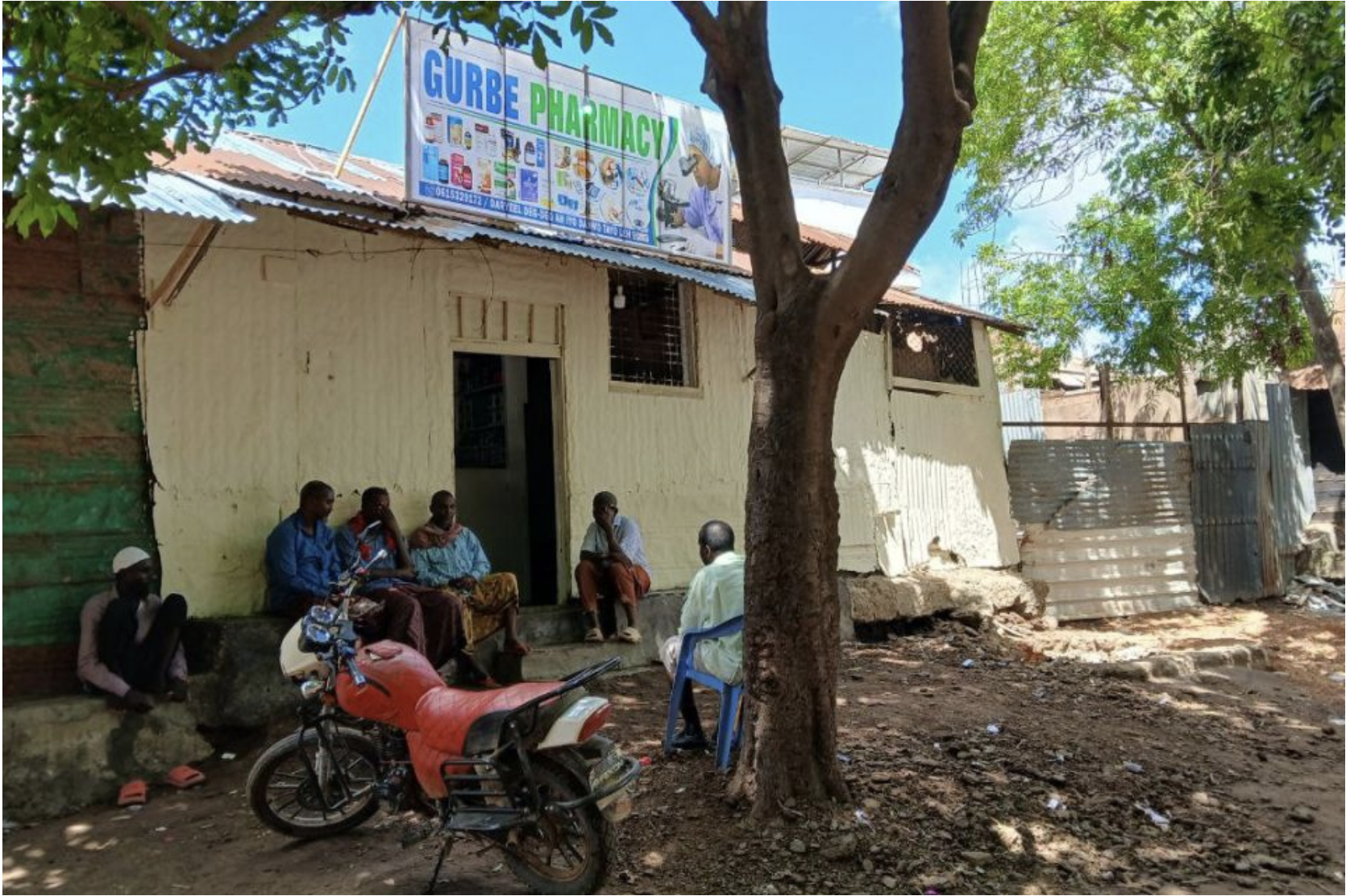
AFGOOYE (Kaab TV) – On the outskirts of Afgooye town in the Lower Shabelle region, Al-Shabaab militants every week stop and check hundreds of people using the narrow, muddy road toward Jambaluul village — a route locals take when heading to the group’s sharia court.
Interviews conducted by Kaab TV with several individuals seeking rulings from the Al-Shabaab-run sharia court — all of whom requested anonymity — reveal that between 160 and 200 people visit the site each month.
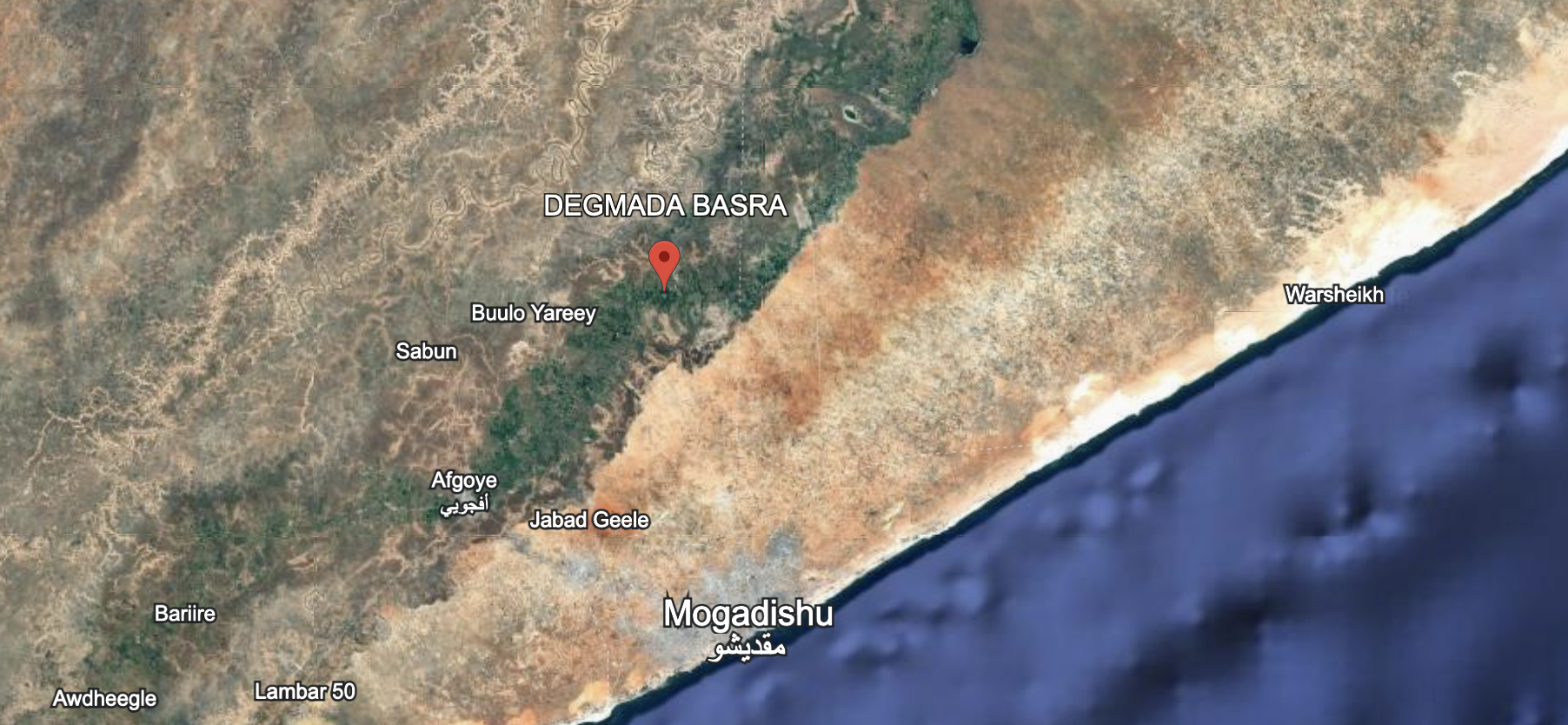
The makeshift court sits along the banks of the Shabelle River, between Basra village and Cali Mahdi’s farm, roughly 35 km from Mogadishu.
One Mogadishu resident, identified only as Client Number 256, said people bring a wide range of cases to the court, including divorce, child-support disputes, land and property conflicts, unpaid debts, and inheritance cases.
We assigned that number because he was the 256th person to seek justice at the court a few weeks earlier.
“I went there because of a dispute over contested land. We waited three weeks for an appointment, and then we were called and went to the sharia court,” he said.
The court sits two days a week in a secluded area shaded by large trees and surrounded by banana and mango plantations — a location chosen to avoid detection from surveillance drones.
In the past, U.S. drones have targeted Al-Shabaab leaders, and more recently, Turkey has deployed drone units to support Somali forces in regions including Lower and Middle Shabelle.
Around the site, makeshift low-cost hotels built from huts, tea stalls, small restaurants, and three-wheeled taxis cater to those awaiting their hearings, offering food, lodging, and transport.
The Al-Qaeda-affiliate group, which is fighting to topple the federal government in Mogadishu, has also expanded into the outskirts of Afgooye and the fringes of Mogadishu, where it increasingly operates openly and extorts money from businesses in the name of zakat.
“Al-Shabaab uses threats and violence”
Halima (not her real name) told Kaab TV she travelled from Mogadishu to file a complaint against her former husband, who took their young child after their separation. She turned to the Al-Shabaab court after, she says, the government-run Banadir Regional Court failed to address her case.
“I complained many times to the district court where I live, then I went to the Banadir Regional Court. They did nothing for me. The man I separated from harmed me a lot,” Halima said.
Corruption in Mogadishu’s courts and police system leaves many low-income people — especially those from marginalized clans — without access to justice.
Halima said her neighbours informed her that the Al-Shabaab sharia court had resumed operations and that many Mogadishu residents were now going there.
“A neighbour told me that if I went to the Al-Shabaab sharia court, they would solve my case because people fear them,” she said. “Al-Shabaab uses threats and violence. That is what the people fear about.”
She now says her case was resolved in her favour and that her child has been returned to her.
Al-Shabaab, designated a terrorist organisation, is known for its use of intimidation. Many people report receiving phone calls from court representatives — commonly referred to as enforcers — who follow up on rulings and often use threats of violence to ensure compliance.
Defying the group’s decisions is extremely difficult. There is no appeals process and no defence lawyers in the Al-Shabaab court.
Although attendance at the courts had dropped between 2022 and 2024 after Al-Shabaab shut them down due to military operations by Somali government forces, the group appears to have reactivated its judicial network.
The number of Mogadishu residents seeking verdicts there has been steadily rising, sources in Mogadishu told Kaab TV.
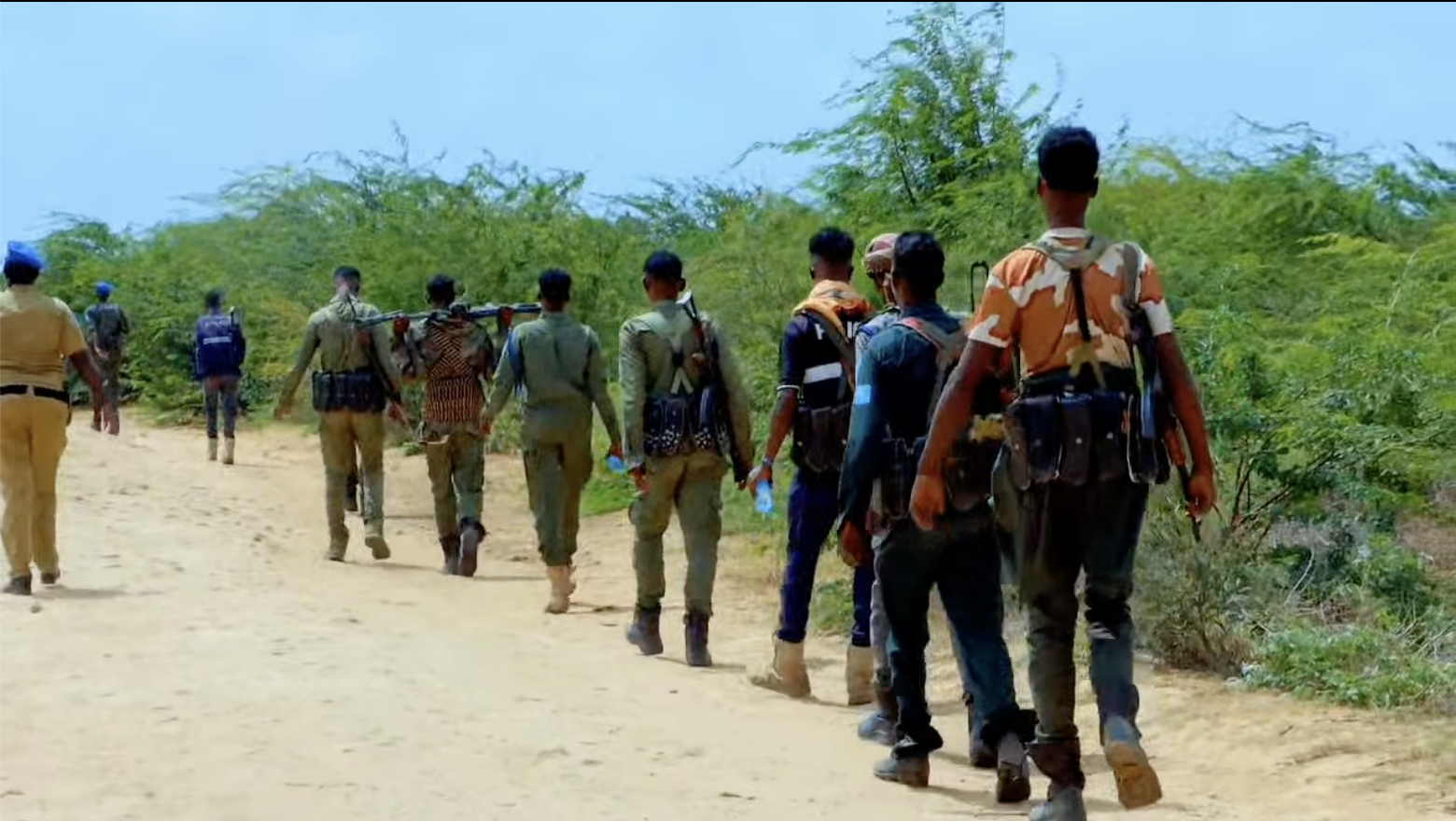
This increase reflects both a surge in clients and a growing number of disputes, particularly land cases and complaints from residents forcibly evicted from government-owned and privately owned properties by the Somali authorities.
Some clan elders in Mogadishu have reportedly approached Al-Shabaab with grievances related to forced evictions. Intelligence sources stated the group has pledged to help return land to displaced families.
Several businesspeople who purchased land previously occupied by evicted families have reportedly received warning calls from Al-Shabaab ordering them not to build on those plots.
Afgooye district, under South West State administration, hosts police and intelligence units of the Federal Government of Somalia.
Attempts to obtain comment from Afgooye authorities and local police were unsuccessful.
The Federal Government of Somalia has also not responded to questions regarding the Al-Shabaab court operating on the outskirts of Mogadishu.