

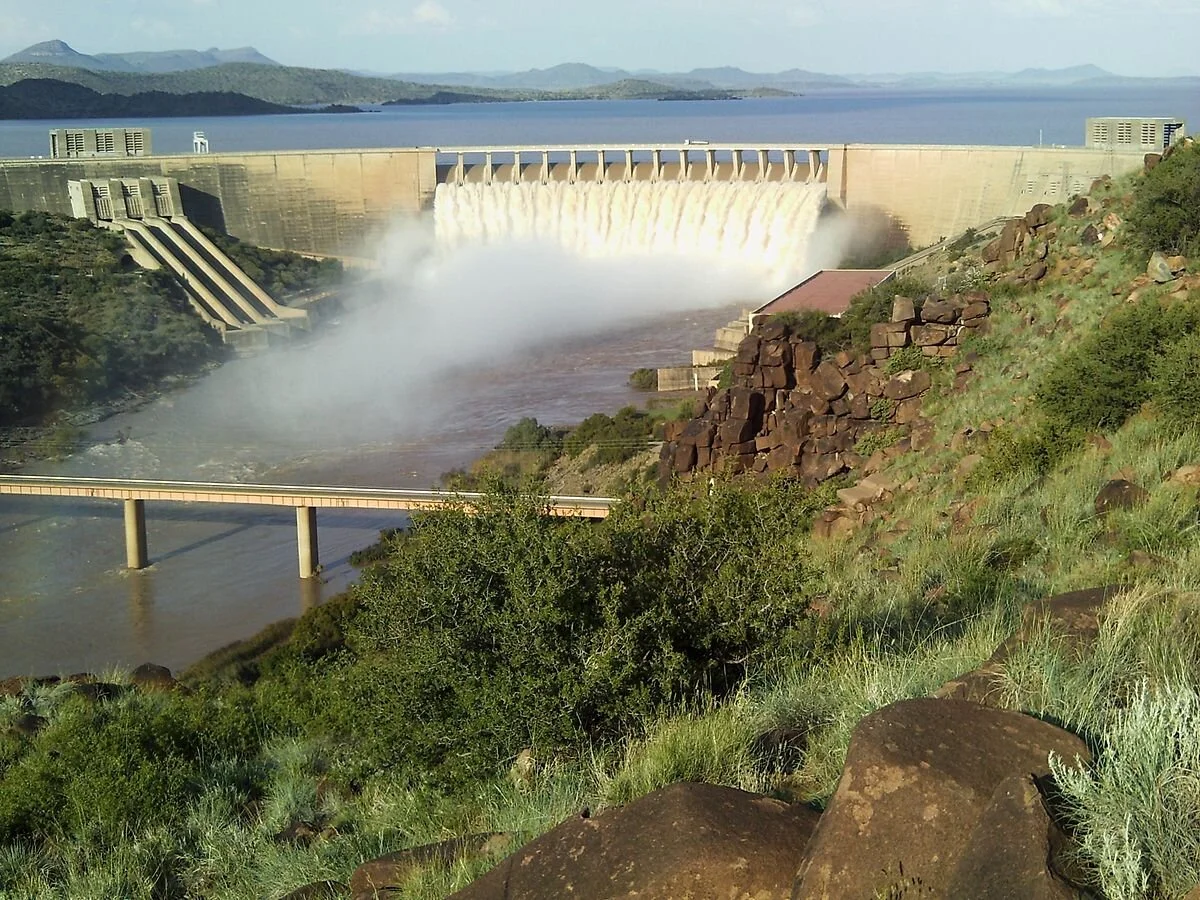

Addis Ababa (KAAB TV) – In a historic and highly anticipated moment, the Federal Government of Ethiopia is officially set to inaugurate the Grand Ethiopian Renaissance Dam (GERD) today — a monumental hydroelectric project valued at over $5 billion.
The dam, which has been under construction for more than a decade, stands as a symbol of national pride for Ethiopia, yet remains a flashpoint of regional tension, particularly with Egypt and Sudan.
GERD has been a central issue in a long-running diplomatic standoff, primarily between Ethiopia and Egypt. Cairo views the dam as a serious threat to its water security, as the Nile provides nearly 97% of Egypt’s freshwater needs.
The Egyptian government has repeatedly expressed concern that Ethiopia’s unilateral actions on the Nile could drastically reduce downstream water flow, endangering agriculture, livelihoods, and overall stability.
Despite these warnings — including veiled threats of potential military intervention by Egypt — Ethiopia has remained firm in its stance.
Officials in Addis Ababa argue that GERD is vital for the country’s economic development, energy security, and the betterment of millions of Ethiopians living without reliable access to electricity.
The Ethiopian government maintains that the dam will not cause significant harm to downstream countries and insists that it is operating within its sovereign rights.
Today’s inauguration comes at a significant geopolitical moment, coinciding with a series of high-level international and regional meetings taking place in Addis Ababa.
The ceremony is expected to be attended by numerous African leaders, including Kenya’s President William Ruto. However, the potential attendance of key figures like Somali President Hassan Sheikh Mohamud and Djiboutian President Ismail Omar Guelleh — both of whom have historically maintained close ties with Egypt — remains uncertain and is being closely watched by analysts.
The GERD has come to symbolize more than just a dam — it represents broader issues of sovereignty, colonial-era water treaties, and the shifting power dynamics in the Horn of Africa.
While Ethiopia celebrates what it calls a triumph of self-reliance and national unity, the project has also heightened fears of a wider regional crisis if diplomacy fails to resolve the water-sharing dispute.
Experts warn that today’s inauguration could either mark a turning point toward regional cooperation or further escalate tensions, depending on how future negotiations unfold.
The coming weeks will be crucial in determining whether GERD will serve as a catalyst for sustainable development and integration — or as a source of deeper division in the Nile Basin.