


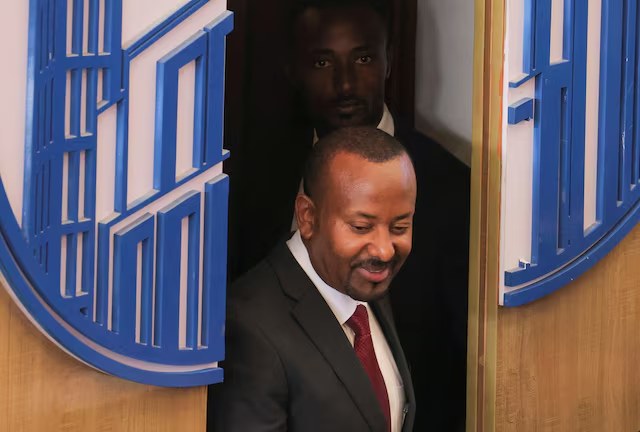


ADDIS ABABA (Kaab TV) – Ethiopia is holding nationwide elections today amid heightened political tensions and growing security concerns, in what observers describe as one of the country’s most significant and closely watched electoral processes since the collapse of the imperial system in 1991.
The election comes as Ethiopia continues to face political divisions, internal conflicts, and ethnic tensions that have affected national stability and public confidence in the electoral process.
Critics have raised concerns over the credibility of the vote, citing ongoing insecurity and expectations that Prime Minister Abiy Ahmed and his ruling Prosperity Party will secure a dominant parliamentary victory.
Abiy Ahmed, 49 years old, has led Ethiopia since 2018 after coming to power on promises of political reform, national unity, and economic development. His time in office has seen both major infrastructure and economic projects, as well as growing political unrest and armed conflicts in several parts of the country.
Many Ethiopians continue to debate the long-term impact of the disputed 2020 election period and the conflict that followed, particularly the devastating war in the Tigray region, which left thousands dead, displaced millions, and created one of the country’s worst humanitarian crises in recent history.
Ethiopia’s National Election Board said around 50 million citizens had registered to vote in the current election. However, opposition groups and independent observers have questioned those figures, noting that voting is not taking place in several conflict-affected areas, including much of the Tigray region.
Security concerns, armed clashes in parts of Oromia and Amhara regions, and restrictions on political activities have also raised doubts among observers about the inclusiveness and fairness of the electoral process.
The ruling Prosperity Party is widely expected to secure a parliamentary majority, potentially allowing Abiy Ahmed to remain in power for another five-year term if official results confirm a decisive victory.
International observers and regional analysts are closely monitoring the election, viewing it as a major test for Ethiopia’s political future and its efforts to restore national unity after years of conflict and political polarization.
Ethiopia remains one of Africa’s most influential countries due to its large population of approximately 139 million people, strategic regional role, and growing economic importance in the Horn of Africa.