

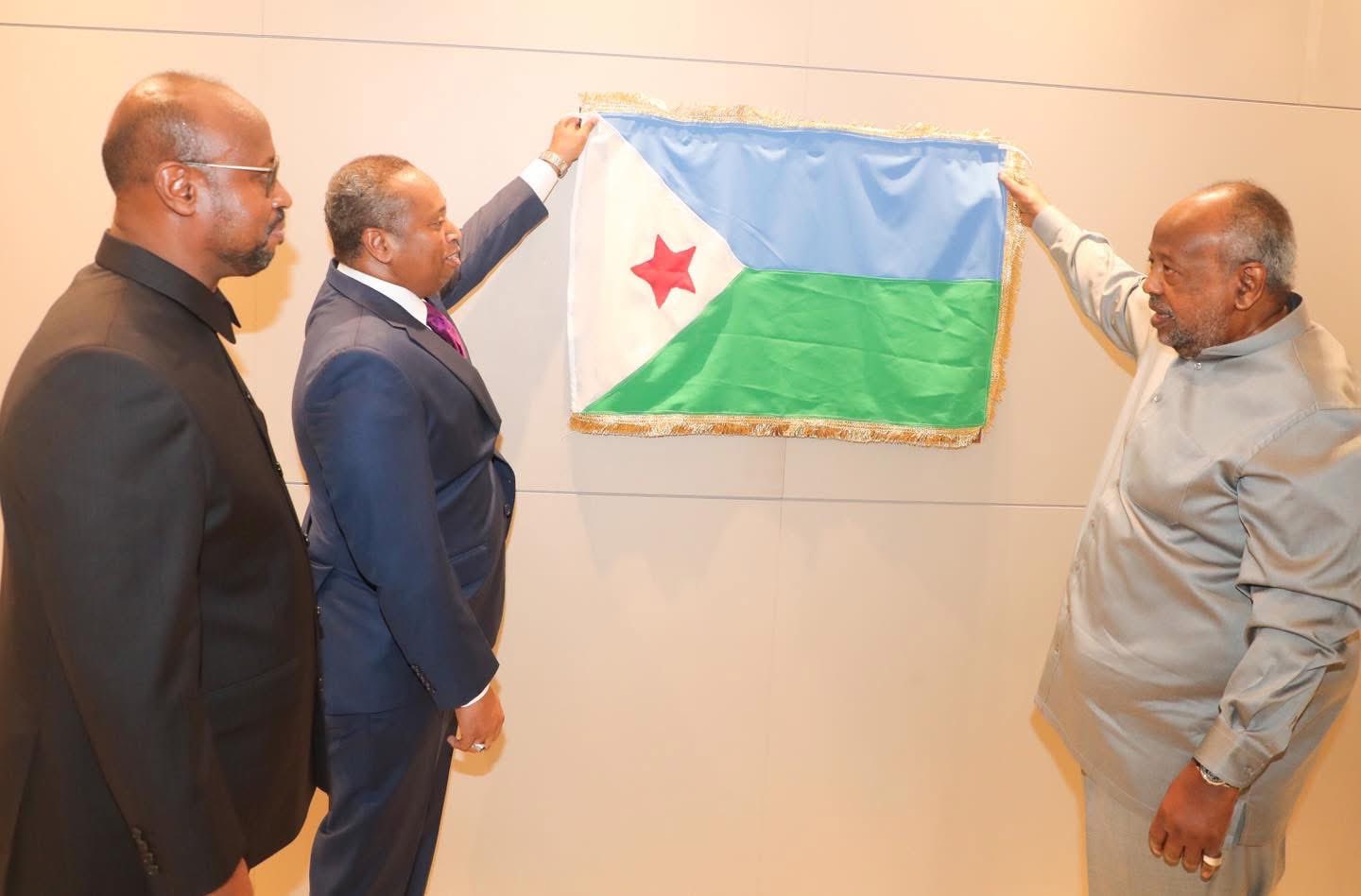
DJIBOUTI (KAAB TV) – Djibouti celebrates its independence on June 27 each year, marking the day in 1977 when it officially broke free from French colonial rule.
However, the path to independence was long and filled with challenges. Among the key supporters of Djibouti’s liberation struggle was neighboring Somalia, which had itself gained independence in 1960—17 years earlier.
From the outset, the newly independent Somali Republic viewed Djibouti as an integral part of the greater Somali homeland. Driven by a deep sense of ethnic and historical kinship, the Somali government extended unwavering political, financial, and diplomatic support to the people of Djibouti and to the movements advocating for self-determination.
This solidarity was especially evident during the French-organized referendums in Djibouti in 1958 and 1967, which were intended to determine the territory’s future. Somalia vehemently opposed the results of these referenda, asserting that they did not reflect the true will of the people and were marred by manipulation.
Somali leaders, activists, and media outlets spoke out strongly in support of Djibouti’s right to self-governance, using international platforms to amplify the voices of Djiboutians seeking freedom.
Throughout the 1970s, Somalia’s foreign policy continued to champion Djibouti’s cause. Somali diplomacy was particularly active in regional and global organizations such as the Organization of African Unity (now the African Union) and the United Nations, where Somali representatives tirelessly advocated for Djibouti’s independence.
The long struggle bore fruit on June 27, 1977, when Djibouti finally attained sovereignty. The capital of Somalia, Mogadishu, was one of the first cities to celebrate the momentous occasion. Somali leaders joined Djiboutian officials in the jubilant celebrations, with the Somali flag raised alongside the newly hoisted flag of Djibouti—a powerful symbol of the deep and enduring bond between the two nations.
Since then, Djibouti and Somalia have continued to maintain a close and brotherly relationship. Despite the challenges both countries have faced over the years, their shared history and mutual support have remained a cornerstone of their bilateral ties. Somalia, having once stood beside Djibouti during its fight for freedom, continues to do so today—with solidarity, respect, and a shared vision for peace and prosperity in the Horn of Africa.