




Djibouti (KAAB TV) – In a landmark move to accelerate its transition toward clean and sustainable energy, the Ministry of Energy and Natural Resources of Djibouti has officially approved the creation of the Solar Technology Application Resource Centre (STAR-C).
This initiative aims to enhance the nation’s capacity in solar energy research, technological innovation, and technical workforce training.
The decision was announced following a virtual workshop chaired by Minister of Energy and Natural Resources Yonis Ali Guedi, which brought together senior ministry officials, consultants, and renewable-energy experts from the International Solar Alliance (ISA).
The ISA is providing both technical and financial assistance to ensure the successful implementation of STAR-C, aligning the project with international standards and best practices in solar technology.
According to the Ministry, STAR-C will serve as a multifunctional hub for solar research, development, and education.
Its primary objectives include improving the efficiency of solar cells, reducing production and installation costs, and fostering innovation in renewable-energy technologies.
The center will also play a critical role in training engineers, technicians, and researchers, establishing national standards for photovoltaic systems, and creating a skilled local workforce capable of supporting Djibouti’s growing renewable-energy sector.
“Solar energy is central to Djibouti’s strategy for clean and accessible electricity,” Minister Guedi stated.
He emphasized that the establishment of STAR-C reflects the government’s firm commitment to achieving a 100 percent renewable-energy mix by 2035, a goal outlined in Djibouti’s national energy policy.
The Ministry noted that STAR-C is a cornerstone of Djibouti’s broader energy-transition policy, which aims to reduce dependence on imported electricity, diversify energy sources, and expand access to reliable power—particularly in rural and remote communities.
By fostering local innovation and expertise, the center is expected to significantly contribute to national energy independence and economic growth.
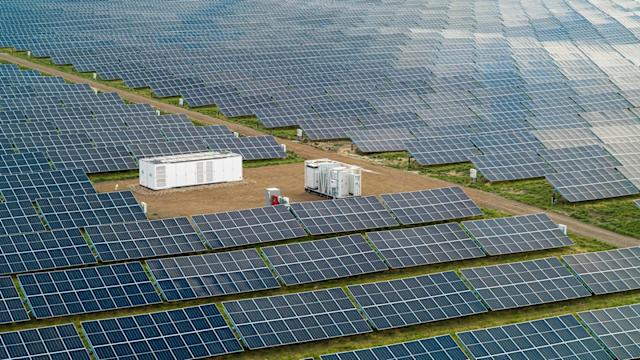
In addition to the STAR-C initiative, Djibouti continues to advance several large-scale renewable projects, including a 25-megawatt solar power plant in the Grand Bara plain and a network of mini-grid systems designed to electrify off-grid areas.
These developments are part of an integrated national plan to harness the country’s abundant solar resources and position Djibouti as a regional leader in renewable-energy innovation.
The Ministry hailed the launch of the Solar Technology Application Resource Centre as a milestone in Djibouti’s green transformation journey, marking a decisive step toward a cleaner, self-sufficient, and technologically advanced energy future.