


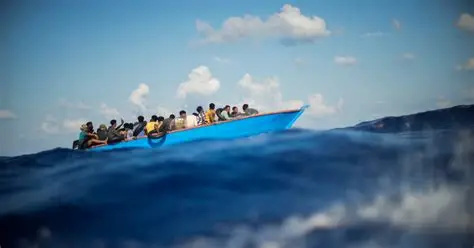


At least 109 migrants, including 15 children, have died after a boat capsized off the coast of Djibouti, while more than 116 people remain missing, according to the International Organization for Migration (IOM).
The vessel was reportedly carrying 305 people travelling from Djibouti towards Yemen in the hope of reaching Gulf countries in search of employment and better living conditions.
The IOM announced the death toll on October 11, 2026, describing the disaster as a stark reminder of the dangers facing migrants travelling along the route connecting the Horn of Africa to Yemen. The crossing remains a major migration corridor for people seeking economic opportunities despite the serious risks associated with the journey.
The incident occurred during the night of October 8–9 near Guhere, north of the coastal town of Obock in Djibouti. Survivors said the boat was heading towards Yemen when it capsized, leaving dozens dead and more than a hundred people unaccounted for.
Authorities have recovered the bodies of 109 victims, comprising 52 men, 42 women and 15 children. The children included nine girls and six boys, highlighting the devastating impact of the tragedy on families and vulnerable people travelling aboard the vessel.
More than 80 people reportedly survived the incident, all of them Ethiopian nationals. However, over 116 passengers remain missing as search and rescue efforts continue amid fears that many may have drowned.
Djiboutian authorities are continuing operations to locate the missing and assist survivors. Officials are also working to provide medical care to those rescued and arrange burials for the victims.
The IOM said its Migrant Response Centre in Obock is assisting 64 survivors of the disaster. Support includes medical care, psychological assistance, protection services, temporary accommodation and food aid.
The agency is also helping survivors trace relatives and reconnect with their families.
Alexandre Coissac, the IOM’s Chief of Mission in Djibouti, described the incident as a deeply distressing loss of life and expressed condolences to families who lost loved ones, as well as those still waiting for information about missing relatives.
Coissac said IOM teams were working alongside local authorities to deliver urgent assistance. He added that the tragedy once again demonstrated the dangers faced by migrants who undertake risky journeys in pursuit of economic opportunities.
The agency has called for stronger support from donors and international partners to help Djibouti respond to migrant emergencies.
Priorities include funding search and rescue operations, providing immediate humanitarian assistance and expanding life-saving services for people on the move.
Every year, tens of thousands of people from countries across the Horn of Africa travel through Djibouti and cross the Bab el-Mandeb Strait to Yemen.
Many hope to continue towards Gulf countries, where they seek jobs, higher incomes and opportunities to support their families back home.
Poverty, unemployment, insecurity and the effects of climate change are among the factors pushing people to undertake these journeys. For many, travelling by sea represents a possible escape from difficult circumstances, even when the risks are considerable.
The route between Djibouti and Yemen is among the most dangerous migration corridors in the region.
Migrants may face overcrowded boats, vessels unsuitable for long sea journeys, harsh weather and limited access to timely rescue services. Women and children are particularly vulnerable during such crossings.
IOM data indicate that migration from Ethiopia into Djibouti remains substantial. According to the agency’s displacement-tracking system, more than 20,000 movements from Ethiopia into Djibouti were recorded from September 10, 2026.
The figures illustrate the scale of cross-border movement and the continuing need for adequate protection and support services.
Despite Yemen’s prolonged security and humanitarian challenges, many migrants continue their journeys in the hope of reaching the Gulf.
Those who survive the sea crossing may face further dangers in Yemen, including violence, arbitrary detention, exploitation and human trafficking.
Some migrants arrive without sufficient money, accommodation or support to continue their journeys. In such circumstances, they can become particularly vulnerable to abuse and exploitation. Reaching Yemen, therefore, does not necessarily mean reaching safety.
The latest disaster follows other deadly incidents along the so-called Eastern Route.
According to the IOM’s Missing Migrants Project, more than 900 migrants died or went missing along this route in 2025, while the number of people undertaking the journey increased by 18 per cent.
Another boat incident in March 2026 reportedly killed nine people, with 45 others remaining missing. The repeated tragedies underline the persistent risks faced by migrants crossing the waters between the Horn of Africa and Yemen.
The October disaster comes as people across the region continue to leave their homes in search of employment, income and improved living conditions.
The growing loss of life has renewed calls for stronger rescue operations, better protection for vulnerable migrants and measures to reduce the need for dangerous irregular journeys.
The IOM said it was working closely with Djiboutian authorities to assist migrants and prevent deaths both at sea and on land. The agency has urged international donors and partners to increase their support for Djibouti’s response efforts.
It has also called for the expansion of safe and legal migration pathways so that people seeking employment or travelling for other reasons have alternatives to dangerous crossings.
The disaster highlights the severe humanitarian consequences of migration along the Horn of Africa–Yemen corridor. With more than 116 people still missing, search and rescue operations and support for survivors remain urgent priorities.
The IOM says sustained international assistance, stronger protection measures and safer migration options are essential to reducing further loss of life.