

MOGADISHU (Kaab TV) — A major funding shortfall has cut off safe water supplies to more than 300,000 people in Somalia, driving a surge in preventable diseases such as cholera and acute watery diarrhoea, the Norwegian Refugee Council (NRC) warned Monday.
The UN appealed for $1.42 billion at the start of the year to assist 4.6 million Somalis, but only 17 percent of that target has been met.
Water, sanitation and hygiene services have been hit hardest, receiving less than 12 percent of required funding.
Aid agencies say they have been forced to slash operations, leaving millions without support.
“The scale down of the humanitarian response in Somalia does not mean fewer people need aid; it means more than three million Somalis will be left to fend for themselves,” said Mohamed Abdi, NRC’s country director. “These cuts are costing lives. We are already seeing a deadly rise in waterborne diseases, especially among children under five.”
From January to July, Somalia recorded more than 6,550 cases of cholera and acute watery diarrhoea, including nine deaths.
Over 1,000 new cases were reported in the past month alone, nearly two-thirds of them severe and half involving children under five.
The collapse of services has forced more than 150 health facilities to close, while mobile health teams in Southwest State have fallen from 74 to 25.
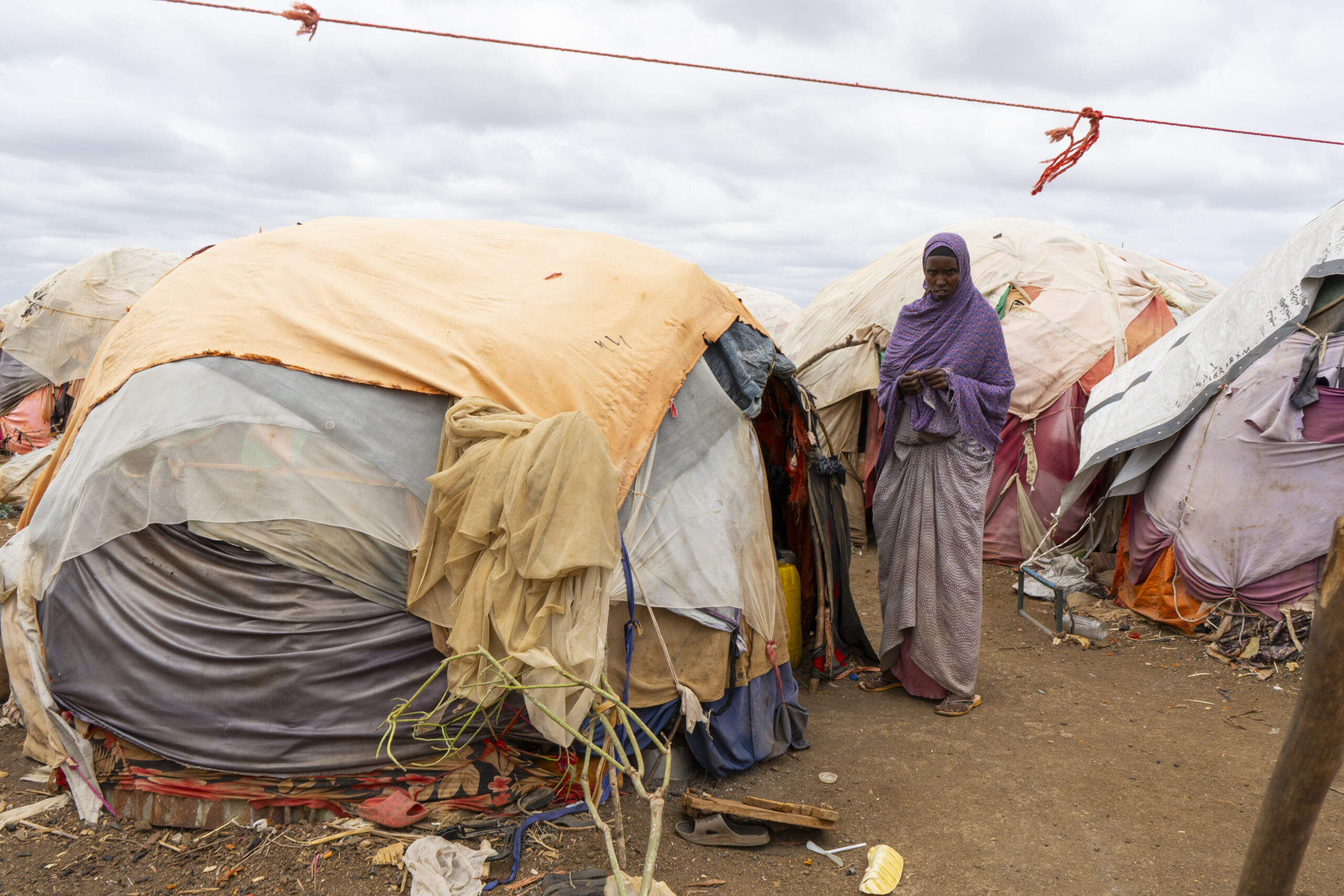
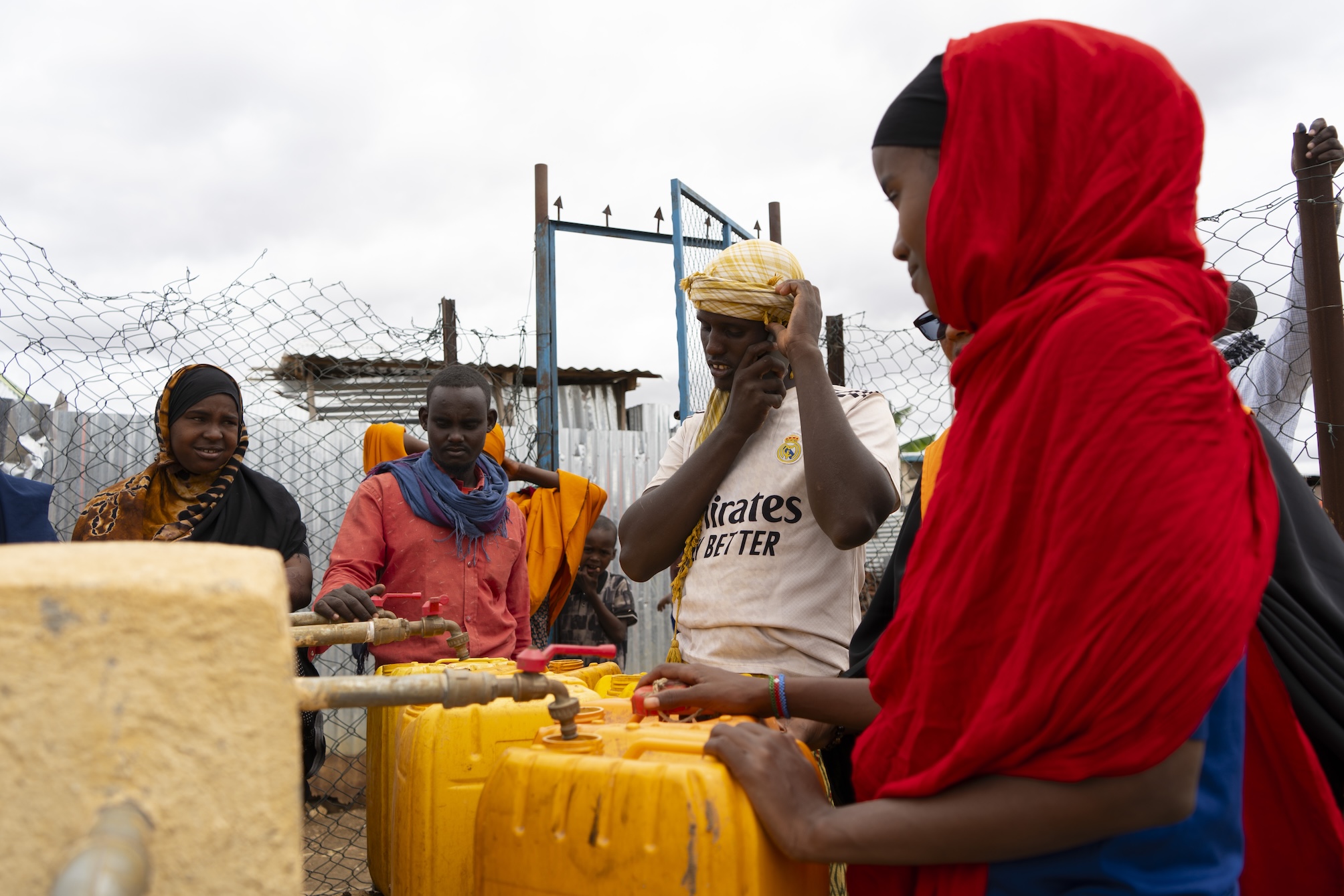
Families in displacement camps and drought-hit rural areas now walk for hours in search of water, often relying on unsafe sources.
“Before, we could fetch water from a nearby point. Now, we walk for hours looking for water, and sometimes there is none at all. Our children fall sick, and there is nothing we can do,” said Hawa Ali, a displaced mother of eight in Baidoa.
Regions hardest hit include Bay, Bakool, Gedo, Galgaduud, Hiraan, Mudug and Lower Shabelle, where many humanitarian-run water systems have shut down.
In drought-affected areas, the cost of water has nearly doubled, pricing families out of access.
Puntland authorities say 800,000 people have been left without water sources, while in Somaliland some 650,000 people urgently need help.
“Somalia is being pushed to the brink by the combined impact of conflict, climate extremes and a sharp drop in international support,” Abdi warned. “This is a man-made disaster that can still be prevented.”