

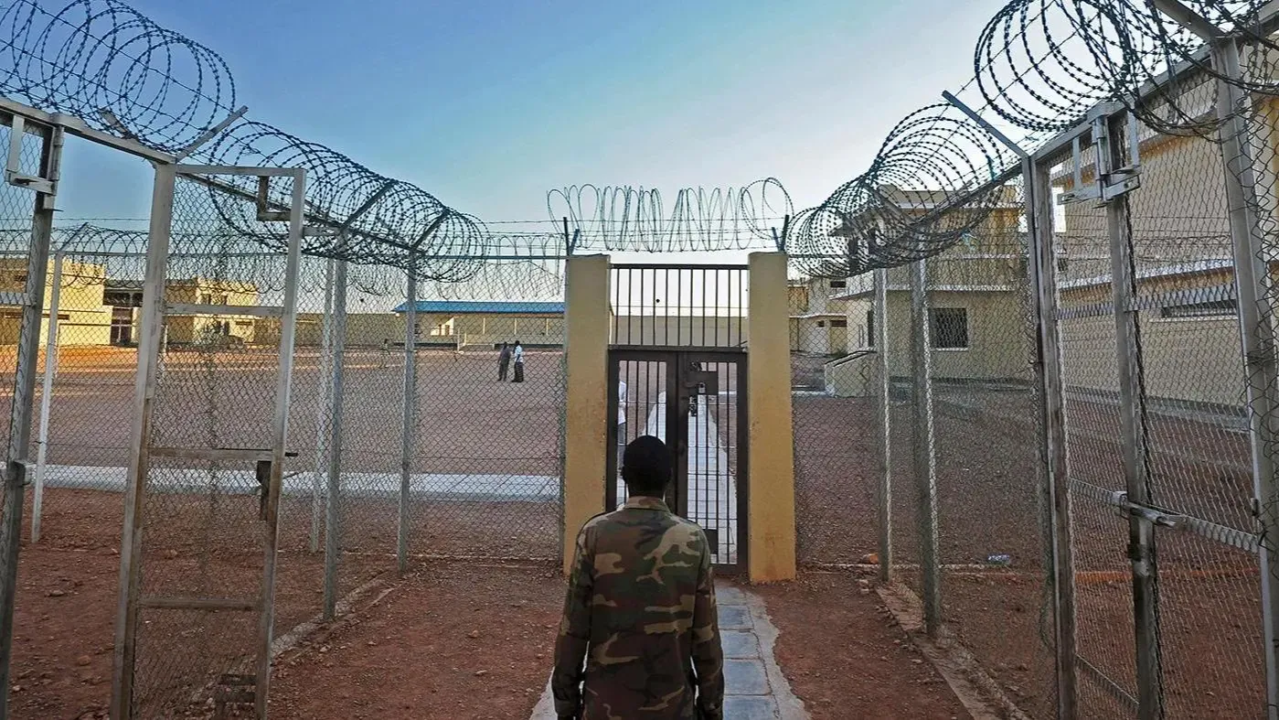
Mogadishu, Somalia – When Abdirahman walked out of Mogadishu’s Serendi rehabilitation center last year, the cameras framed him as a story of redemption — a once-feared al-Shabaab fighter ready to rebuild his life as a shopkeeper.
Officials hailed the moment as proof that Somalia’s amnesty program was chipping away at the insurgency’s core.
Three months later, his name surfaced in a classified intelligence brief — not as a success story, but as a suspected facilitator in a renewed wave of militant attacks along the Shabelle River.
The same program that had promised a fresh start now faced accusations of giving a dangerous operative a free pass back into the conflict.
A Policy Under Scrutiny
Somalia’s reintegration initiative is one of the most ambitious counterinsurgency tools in the Horn of Africa.
Through amnesty, vocational training, and community mediation, it seeks to offer defectors an off-ramp from a war that has claimed tens of thousands of lives.
The Serendi center in Mogadishu and other regional facilities are designed to house “low-risk” defectors for months of counseling and job skills training before release. High-value or senior figures are sometimes handled through opaque political arrangements — deals often justified as necessary to extract intelligence or signal a path out for others still in the bush.
But recent cases — including at least four former trainees suspected of rejoining al-Shabaab in 2024 — have revived fears that the system is not filtering out potential double agents.
Critics point to gaps in vetting, reliance on clan sponsorship, and the absence of long-term monitoring once defectors return home.
The Political Calculus
President Hassan Sheikh Mohamud’s administration views defectors as a psychological weapon.
Each publicized surrender is framed as proof of momentum in the government’s ongoing Shabelle offensive, which has retaken towns like Bariire from militant control in recent weeks.
Yet for communities devastated by years of al-Shabaab rule, the sight of ex-fighters walking free — sometimes receiving stipends and business grants — can be deeply unsettling.
“They killed our relatives, destroyed our markets, and now they’re rewarded,” said a market trader in Mogadishu, who lost a brother to a militant bombing.
“Where is the justice?”
Double-Edged Intelligence
Security officials admit — privately — that some defectors are almost certainly exploiting the program as cover.
The risk is twofold: some return to militancy after gathering intelligence on government operations, while others act as sleeper agents, relaying information to al-Shabaab from inside government-controlled areas.
“It’s a gamble,” said one senior Somali police officer involved in the program in an interview via WhatsApp.
“You don’t want to miss the chance to turn a genuine defector, but you also can’t be blind to the fact that some are playing both sides.”
Lessons from the Field
Past counterinsurgency campaigns elsewhere offer a cautionary tale. In Afghanistan and Iraq,
Poorly monitored amnesty programs allowed insurgents to recycle back into combat, often with enhanced knowledge of state vulnerabilities. International advisers working with Somali authorities say that without sustained surveillance, the same risks loom here.
Some aid agencies have urged the government to pair reintegration with community-based reconciliation, so local populations have a voice in who returns — and under what conditions.
Others argue for tiered amnesty, with the most serious offenders facing legal processes before eligibility.
An Unfinished Balancing Act
The stakes are high. A failed defector policy not only undermines battlefield gains but also risks a deeper erosion of public trust in state institutions.
For now, the government insists the benefits outweigh the dangers, pointing to dozens of defectors who have remained in civilian life and started small businesses.
But as the insurgency adapts — blending military tactics with intelligence operations — the line between a rehabilitated fighter and a double agent can be perilously thin.
“Reintegration isn’t just about opening the door,” said a Mogadishu-based security analyst.
“It’s about making sure the person who walks through it isn’t still holding the keys to the enemy’s house.”
—
Abdi Guled is a Horn of Africa analyst and journalist with a focus on political risk, armed groups, and geostrategic competition in fragile states.