

MOGADISHU (Kaab TV) – The ongoing war involving Iran, United States, and Israel is already affecting Gulf countries and sending shockwaves through Somalia’s economy, with sharp increases in the cost of living and trade disruptions.
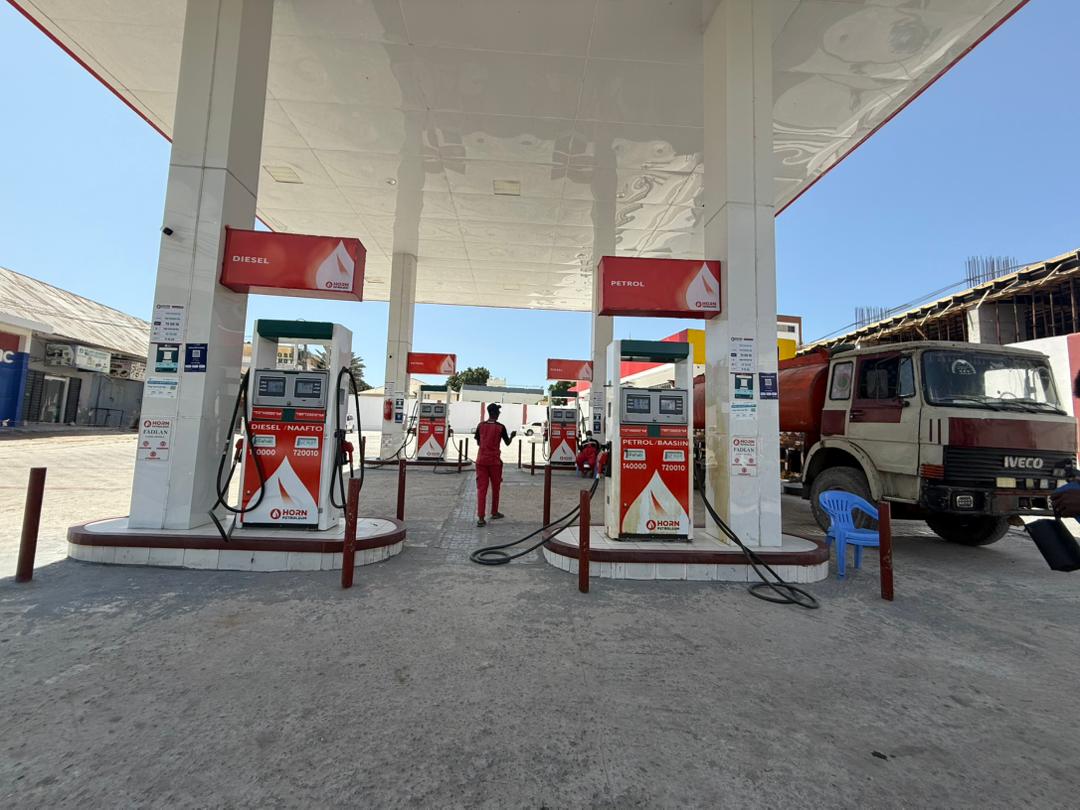
In Mogadishu, fuel and cooking gas prices have risen by nearly 67%, according to residents who spoke to Kaab TV.
Traders and transport operators warn that if the conflict continues, the cost of basic goods could rise further, putting significant pressure on low-income families.
The prices of staple foods such as rice, grains, flour, and cooking oil have jumped by up to 10%, while electronics and other commodities have also seen noticeable increases.
“I sit in my tuktuk with no fuel. The price is over $1 today—I cannot afford it,” said Abdiasis Mohamed, who earns his living driving a tuktuk taxi. Abdiasis added that he struggles to pay both his tuktuk rent and household bills if fuel prices continue to rise.
The price surge comes at a critical time, as many households were preparing for Eid al-Fitr at the end of Ramadan. With prices skyrocketing, many families are unable to meet basic needs.
“If the conflict continues for an extended period, it will have a serious impact on the local economy,” said Hassan Nur, a shop owner in Mogadishu.
Somalia relies heavily on imports from the United Arab Emirates, which accounts for approximately 33% of the country’s total imports.
Business owners report that disruptions to flights and ports across several Gulf states have delayed shipments, with some expected goods failing to arrive for at least four days.
Mogadishu port has seen a decline in the arrival of major ships due to the closure of ports in the UAE.
Iran sits along the strategic Hormuz Strait, through which about 3,000 ships transit each month.
As of early March, daily traffic through the strait has dropped by roughly 80%. Observers warn that continued conflict could affect the Gulf of Aden, particularly given the presence of Houthi militias in Yemen linked to Iran.
Reported strikes in Qatar, Bahrain, Saudi Arabia, Kuwait, and Oman have further disrupted trade and fuel supplies.
Somalia’s commercial ties with these countries have been temporarily affected, contributing to supply shortages.
The Somali government has not yet commented on the impact, but local traders and economists warn that if regional tensions escalate, Somalia could face widespread inflation affecting food, fuel, and other essential services.
As a country heavily dependent on imports—especially from Gulf nations—Somalia remains highly vulnerable to regional instability.
Residents in Mogadishu say they are increasingly concerned that a prolonged conflict could deepen economic hardship and worsen living conditions across the country.