


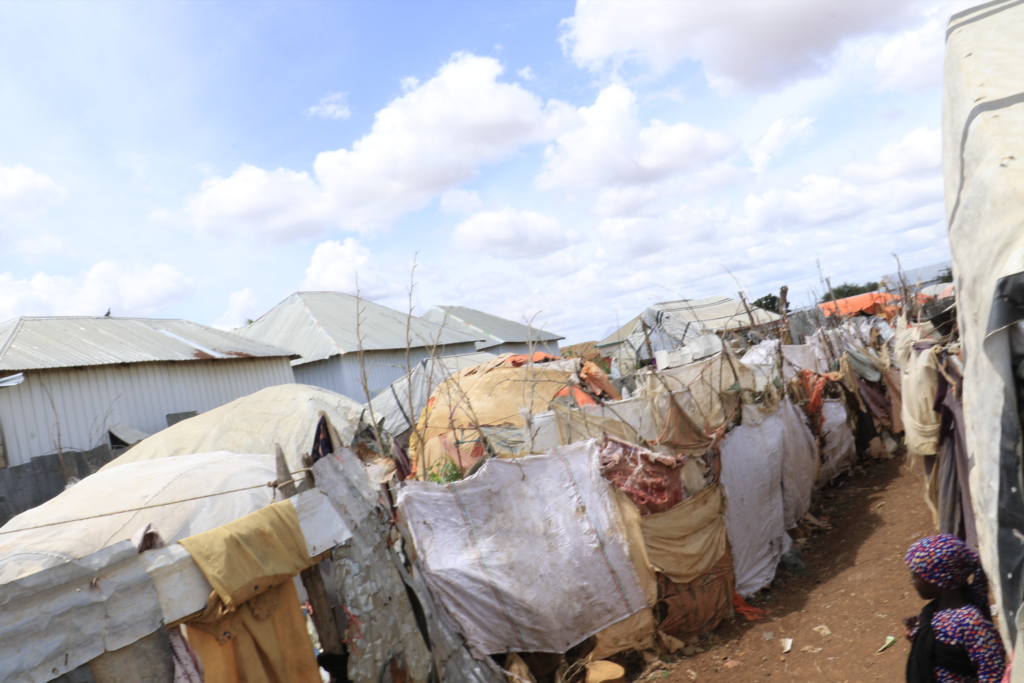


BAIDOA, Somalia (Kaab TV) — At least six million people in Somalia are going days without enough food, according to United Nations aid agencies, which warned recently that nearly two million children are at high risk of severe illness or death due to worsening hunger.
In South West State, communities are facing what residents describe as a double crisis of conflict and food insecurity.
Humanitarian concerns have intensified as fighting continues across the region between forces aligned with the Federal Government of Somalia and the local Rahanweyne forces of the Southwest State, which remains loyal to former South West President Abdiaziz Hassan Mohamed “Laftagareen”.
The conflict has triggered a new wave of displacement in and around Baidoa, a city already struggling with drought, hunger and overcrowded displacement camps.
Among those displaced is Ibrahim Abdi Aliyow, who fled his rural village in Bay region with his wife and five children a year ago after drought destroyed their livelihoods.
Having settled in a displacement camp on the outskirts of Baidoa, he has now been forced to flee once again because of the fighting.

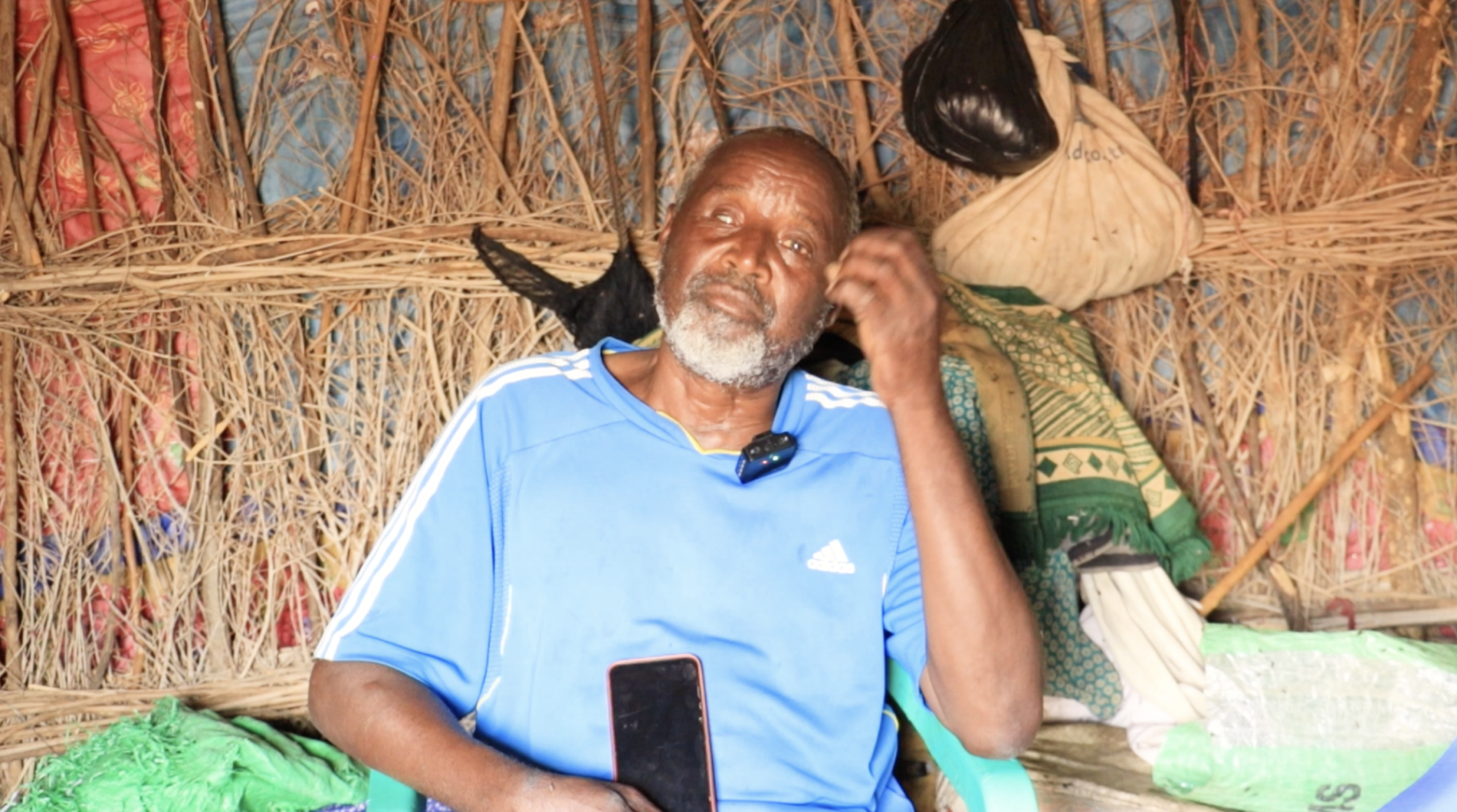
“It is tough. Gunfire hit our makeshift house the other night and we fled,” he said, describing clashes that erupted in parts of Baidoa on Sunday and Monday this week.
According to the latest assessment by the Integrated Food Security Phase Classification (IPC), nearly one in three Somalis is experiencing critical food insecurity.
The IPC defines famine as a situation in which at least one in five households faces an extreme lack of food, leading to starvation, acute malnutrition and increased mortality.
“The humanitarian context in Somalia is worsening faster than we originally projected and expected,” said George Conway, the United Nations’ top humanitarian official in Somalia, speaking last month about the country’s deteriorating conditions.
Aid agencies have identified Buurhakaba district as one of the areas of greatest concern.
The United Nations has warned of a real and credible risk of famine in the district if assistance does not increase urgently.
“The assistance is needed most urgently in South West State, where we have confirmed a real and credible risk of famine in Buurhakaba district,” Conway said.
The UN Children’s Fund (UNICEF) has also raised concerns over growing shortages of medical supplies used to treat children suffering from acute malnutrition.
UNICEF spokesperson Ricardo Pires said healthcare services are becoming increasingly strained due to supply chain disruptions linked to instability in the Middle East.
Although Somalia has endured recurring drought since 2024, the current Gu rainy season has brought only limited relief to some areas.
Humanitarian agencies warn that rainfall remains insufficient to reverse the crisis and that many communities continue to depend on emergency water deliveries.
“Given the drought situation and the drying up of water points, a lot of communities are reliant on water trucking,” Conway said. “In some locations, we’ve seen water prices for water trucking triple over the course of the past month.”

Access to vulnerable communities has also become more difficult.
The main road connecting Mogadishu and Baidoa remains highly insecure, with large sections under the influence of Al-Shabaab militants.
Journalists and residents have reported a rise in militant attacks along the route, further complicating the delivery of humanitarian aid.
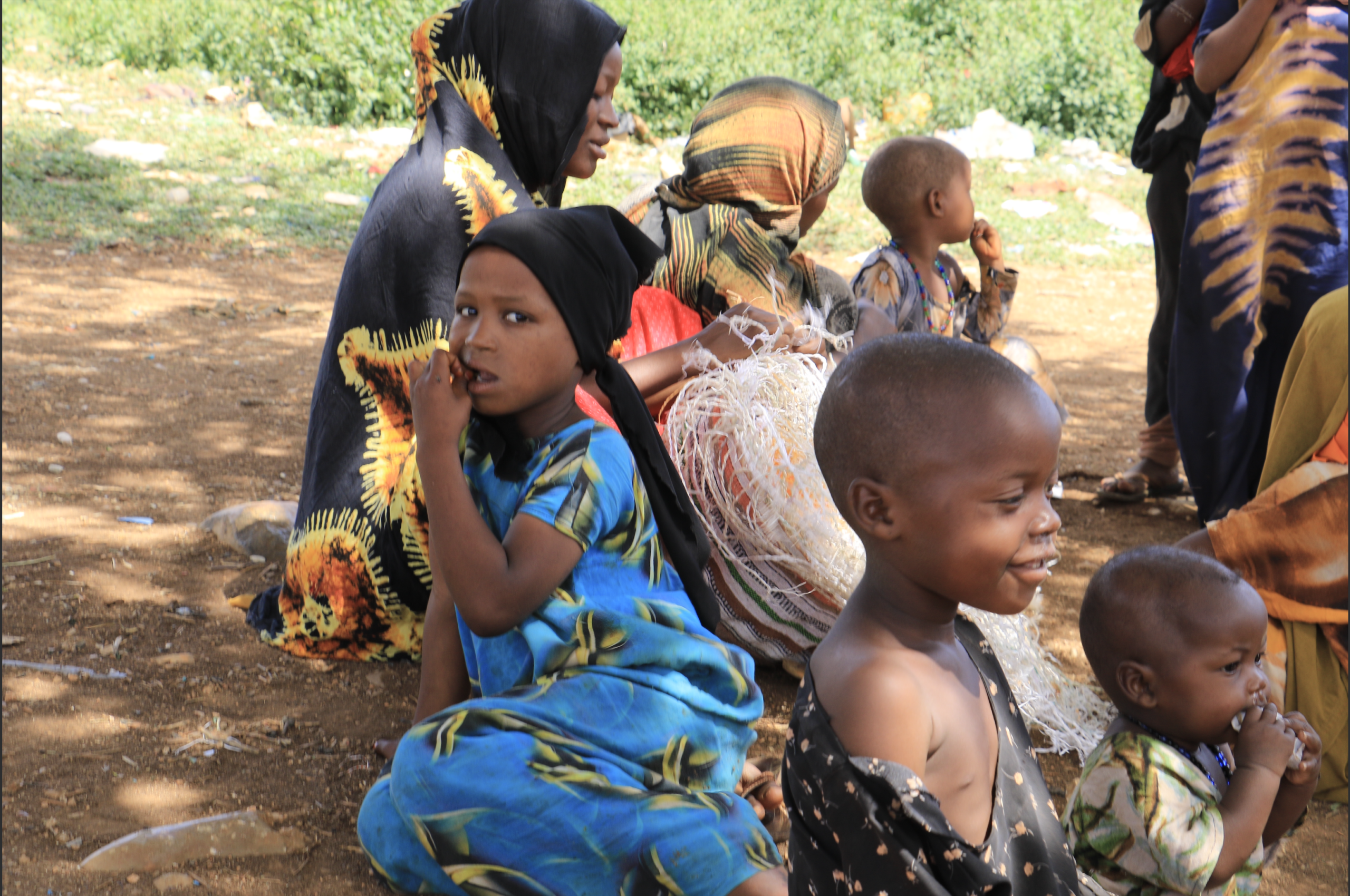
For many displaced families, assistance has yet to arrive.
Habiba Nurow, 56, and her six children arrived at a displacement camp near Baidoa several months ago after losing her livestock and livelihood. She says conditions continue to deteriorate.
“No aid has come. The children are too weak to stand and the food has run out,” she said.
“We hope and we pray that someone will hear our cries and that aid will reach us.”
As conflict, drought and food shortages converge across South West State, humanitarian agencies warn that without immediate assistance, thousands of vulnerable families could face even greater suffering in the months ahead.