

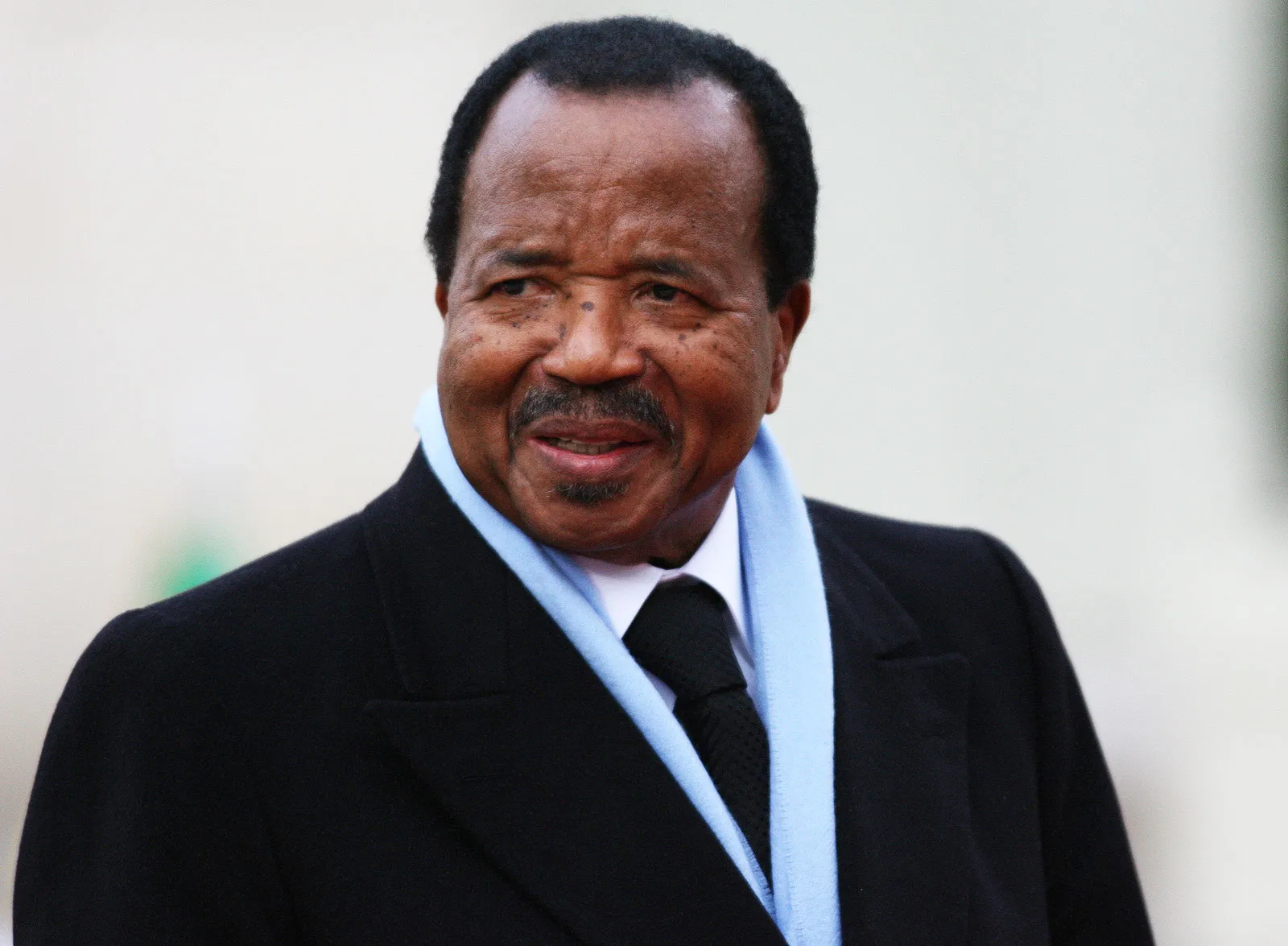

Yaoundé (KAAB TV) – Cameroon’s 92‑year‑old President Paul Biya, the world’s oldest serving head of state, officially announced that he will seek an unprecedented eighth term in office during the upcoming presidential election on October 12, 2025.
Biya ascended to the presidency in 1982 and has retained control for over four decades—second only in length of service in modern Africa .
In 2008, Biya abolished presidential term limits, enabling him to run indefinitely.
The ruling Cameroon People’s Democratic Movement (CPDM) and key figures within the party have publicly urged him to seek another term Personal framing: Biya told supporters that he is responding to widespread calls to continue serving amid “serious challenges,” focusing on youth and women’s welfare.
Health and Capacity Concerns
A 42-day disappearance from public view in late 2024 fueled health speculation; authorities strictly prohibited media discussion, citing national security.
Critics—including tech leaders and human rights lawyers—argue he is too frail and disconnected to govern effectively, with daily commentary urging him to step aside.
Opposition and Defections
Several former loyalists, including ministers Issa Tchiroma Bakary and Bello Bouba Maigari, have defected to contest the election.
Figures like Nkongho Felix Agbor denounce Biya’s re-entry as a betrayal of Cameroon’s democratic aspirations.
High-profile opposition figures—Maurice Kamto, Joshua Osih, Akere Muna, and Cabral Libii—have declared their candidacies, pressing for electoral reforms and transparency.
A nearly decade-old separatist conflict in the English-speaking regions has displaced thousands and disrupted education and security.
Boko Haram insurgency continues to threaten the northern regions.
Critics argue that Biya’s prolonged rule has hindered reforms, with persistent allegations of graft and weak economic performance.
With no clear succession plan and Biya’s advanced age, a sudden incapacitation or death in office could plunge the country into instability.
Biya’s continued stay in power exemplifies a regional pattern of entrenched leaders, as seen in other Central and East African nations.
The CPDM’s historical influence over institutions suggests that the election could largely favor Biya, despite irregularity accusations.
Candidacy submissions close by July 21, 2025, ahead of the October 12 vote.
Observers will monitor whether Biya appears publicly—providing rare glimpses into his health—and if the opposition pressures for reforms will gain traction.
As former allies and opposition figures consolidate efforts, the 2025 election could mark a turning point in Cameroon’s political trajectory.