

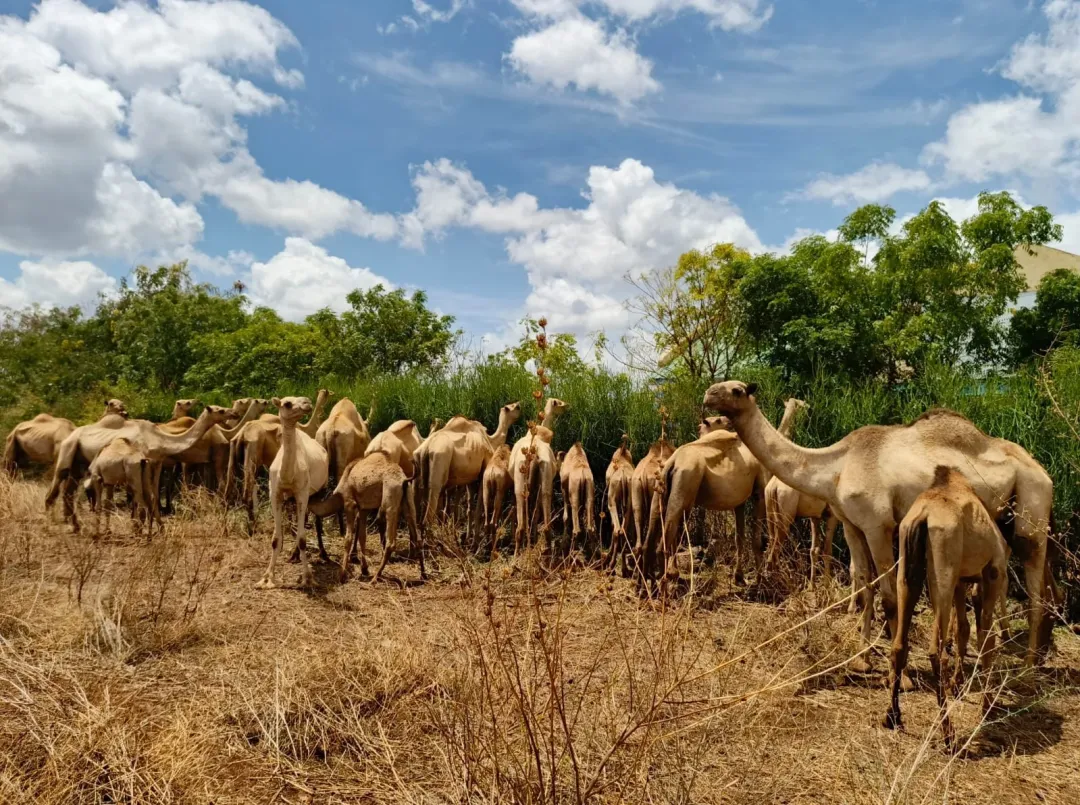

Nairobi (KAAB TV) – Once a niche product of pastoral communities, camel milk is now riding a wave of popularity—driven by climate resilience, health benefits, and booming market demand.
Somalia’s Camel Milk Renaissance
In Somalia, Beder Camel Farm near Mogadishu is reinventing camel dairy with modern practices like enhanced veterinary care, specialized fodder, and hygienic milking, doubling milk yields from traditional norms. The farm recently launched the nation’s first camel milk yogurt factory—a lactose-friendly product rich in vitamins, iron, magnesium, and probiotics. The initiative employs approximately 200 people, with expansion plans underway, supported by the government’s livestock development strategy and an upcoming Dairy Act.
Kenya: Climate Shifts Fueling Camel Milk Demand
Climate shocks in Kenya’s arid regions are pushing camels into the spotlight as far more resilient alternatives to cattle. Following devastating droughts, government-led camel distribution programs have supplied thousands of camels to herders. These animals thrive under harsh conditions and maintain milk production, especially during dry spells. As a result, camel milk is experiencing surging demand in Nairobi, particularly within the Kenyan-Somali communities, at multiple times the price of cow’s milk.
Global Appeal: Health Meets Luxury
Market research underscores strong global growth in camel dairy. The camel milk products market is projected to reach approximately USD 24 billion by 2030, driven by its potential health benefits—being lower in lactose and allergens, rich in immune-boosting proteins, and suitable for those with cow’s milk sensitivities.
In the Gulf, Saudi Arabia’s sovereign fund launched Sawani (and its brand Noug) in 2023 under Vision 2030. By early 2024, Noug had opened stores in Riyadh, Jeddah, and Makkah, fueling the premium camel dairy segment.
Why Camel Milk’s Time Has Come
-
Resilience in the Face of Climate Change – Camels endure droughts and sparse forage—making them reliable milk sources as environmental conditions worsen.
-
Functional Nutrition – Camel milk is emerging as a superfood, celebrated for its hypoallergenic properties, probiotic potential, and immune support. Dairy intolerant consumers and wellness-focused audiences are responding enthusiastically.
-
Market Maturation and Innovation – From yogurt and cheese to premium products and cosmetics, camel milk is finding cross-industry appeal. Organized retail, cold-chain infrastructure, and government investment—especially in the Middle East and Africa—are accelerating its commercialization.