




South Sudan (KAAB TV) – Tensions along the contested border between South Sudan and Uganda escalated on July 28, 2025, when forces from both countries reportedly engaged in armed confrontations near Kajo Keji County (Central Equatoria State).
Officials confirm at least six fatalities, with casualties reported on both sides, and several civilians seriously injured.
According to statements from the South Sudan People’s Defense Forces (SSPDF), a Ugandan contingent allegedly attacked a border outpost near Pogee in Magwi County, resulting in two fatalities among South Sudanese soldiers and additional injuries.
Meanwhile, the Uganda People’s Defence Forces (UPDF) assert that their troops responded after South Sudanese soldiers advanced into what they maintain is Ugandan territory—denying wrongful aggression but acknowledging cross-border shots.
Adding to the toll, local authorities in the border town of Moyo, Uganda, reported retaliatory incidents: South Sudanese youths crossed into Uganda, killing five Ugandans, and prompting subsequent responses by Ugandan youths inside South Sudan. These tit‑for‑tat attacks involved arson, rape allegations, and cattle theft across the border.
The death toll—originally reported as two from each side—was later revised, with defenseWeb/defenceWeb and other sources putting the confirmed fatalities at seven, including both civilians and soldiers. Officials from South Sudan said two of their soldiers died, while Uganda reportedly suffered five casualties among civilians and security personnel.
Border Disputes History: Tensions between South Sudan and Uganda have persisted for years, rooted in contested border demarcations in Magwi and Kajo Keji counties, with prior deadly incidents dating back to 2020 and 2024.
Ugandan Military Presence: In early March 2025, Uganda deployed special forces to help secure South Sudan amid internal unrest involving President Salva Kiir and Vice President Riek Machar. That deployment heightened the potential for friction along poorly defined frontiers.
Humanitarian & Security Fallout
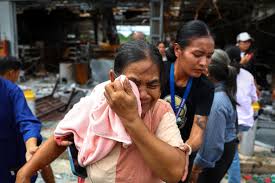
Thousands have reportedly been displaced. Residents are sheltering in schools, churches, and bush camps across both sides of the border, as authorities struggle to contain violence and mitigate refugee flows.
South Sudanese and Ugandan leaders have initiated diplomatic engagement. On-site commanders have been instructed to avoid further escalation, and investigations are underway to determine the origins and responsibility for the skirmishes.
Regional stability risk: These clashes threaten to inflame a broader security crisis in a region already fragile from internal conflict, refugee crises, and economic strain.
Weak borders: Lack of clear demarcation and competing claims fuel recurring eruptions of violence between state security forces and local communities.
Mixed civilian‑military toll: The incidents blur lines between battlefield and population centers, with civilians bearing much of the hardship across the border.
A joint border demarcation committee (established in 2017) is under pressure to reconvene and deliver tangible progress to prevent future flare-ups.
Both capitals – Juba and Kampala—face calls to press for de-escalation, strengthen cross-border communication, and ensure compensation and security for affected civilians.
These deadly skirmishes underscore how unresolved border disputes, even between allied neighbors, can spiral into bloodshed, especially when civilian communities—often unrepresented—bear the brunt.
Let me know if you’d like follow-up profiles on affected regions, displaced communities, or peace negotiations evolving around this incident.