

MOGADISHU (Kaab TV) – Inter-clan conflicts are increasingly spreading inside Somalia, particularly across several regions of the country, causing significant loss of life and injuries and posing a serious threat to civilian security and stability.
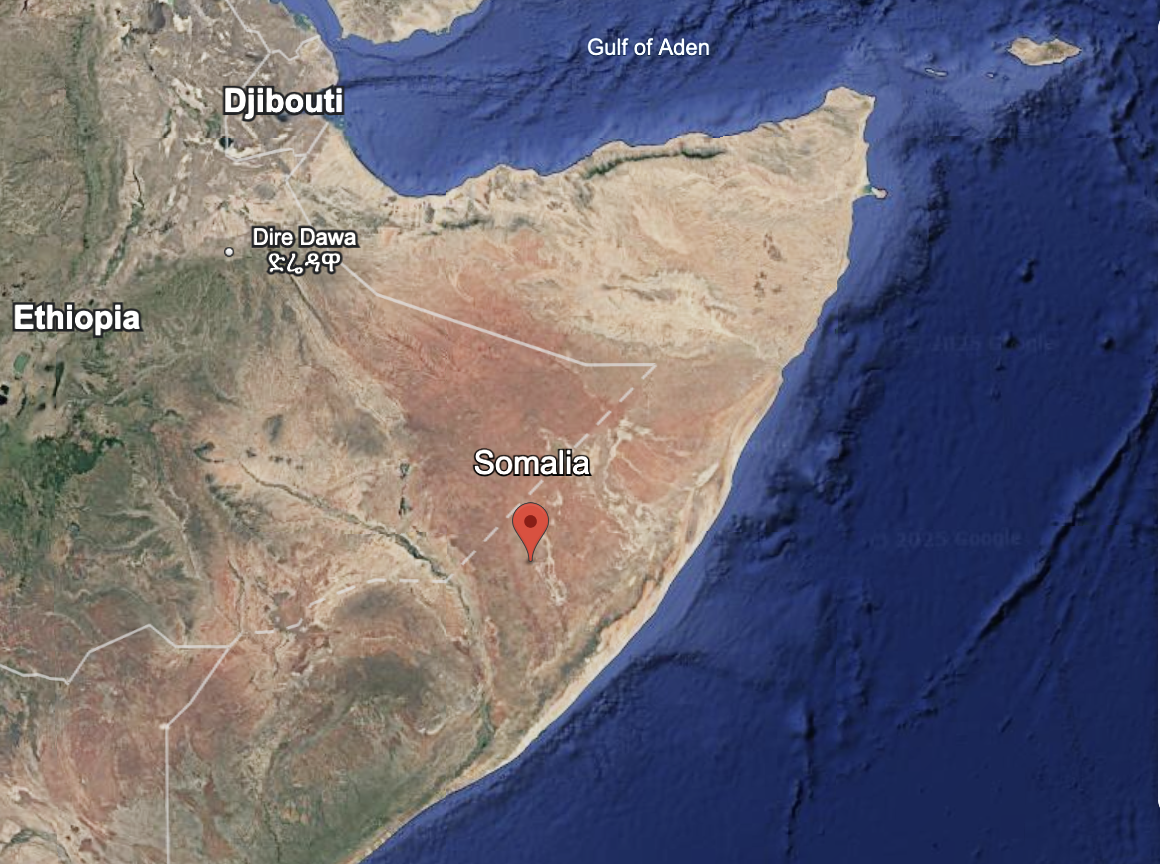
These clashes, fueled largely by the widespread availability of weapons in the hands of clan militias, are rapidly expanding across multiple regions. Areas most affected include Hiiraan, Middle Shabelle, Lower Shabelle, Gedo, Bakool, Galgaduud, and Mudug.
The conflicts are primarily rooted in longstanding clan rivalries, especially disputes over access to water resources, grazing land, and territorial boundaries. In addition, unresolved cycles of revenge killings between clans—stemming from past incidents—have resurfaced and intensified, further escalating violence.
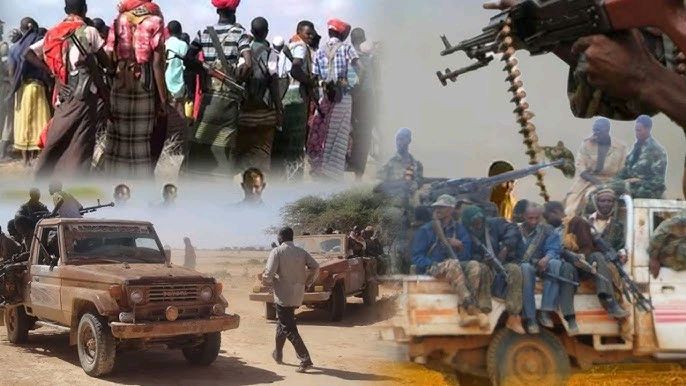
Clan militias are reportedly using heavy weaponry, including anti-aircraft guns and armored vehicles, which has significantly increased the scale and severity of casualties and destruction resulting from these clashes.
Ongoing Conflicts and Affected Areas
Lower Shabelle Region – Active fighting has been reported in the districts of Yaaqbiri Weyne and Wanla Weyn, as well as in villages under Afgoye and Qoryooley districts.
The conflict in Yaaqbiri Weyne reportedly began following a dispute over the management and control of the local livestock market. The confrontation involves members of the Gaaljecel, Raxanweyn, and Habar Gidir clans. According to available information, more than 14 people have been killed, including two women and two children, with many others injured.
Tensions are also high in Marka, the administrative capital of the Lower Shabelle region, where fears of renewed violence persist.
Lower Shabelle is one of Somalia’s most resource-rich regions, known for its agricultural production, livestock, and fishing resources. However, despite its economic importance, large parts of the region remain under the control of the Al-Shabaab militant group, complicating security efforts and peace initiatives.
Overall, the continued spread of inter-clan violence, combined with the proliferation of heavy weapons and weak governance, is deepening Somalia’s humanitarian and security challenges, particularly for civilians living in conflict-prone rural and semi-urban areas.

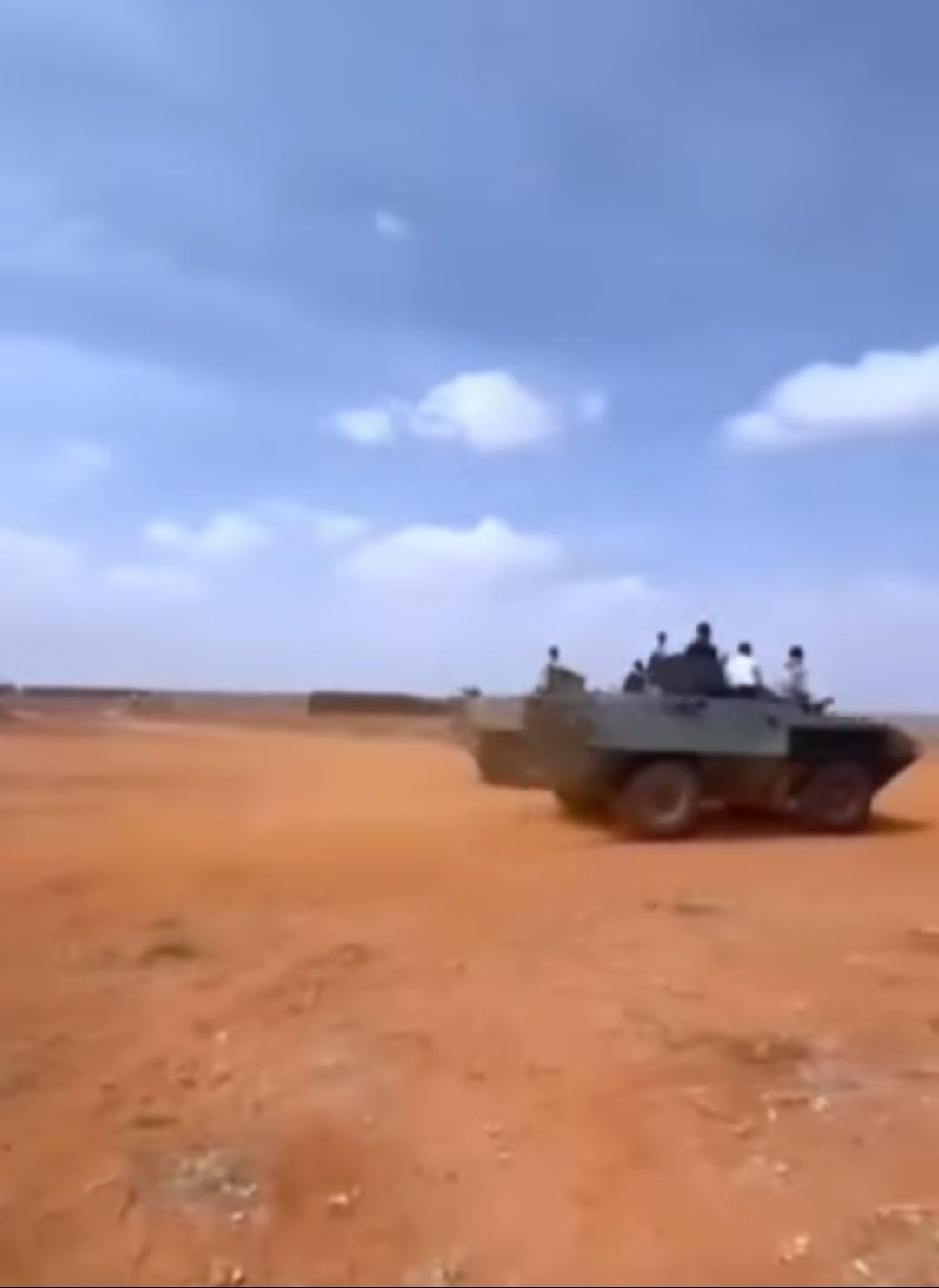
The administration of the Lower Shabelle region has stated that the recurring conflicts are causing setbacks to the security of the region.
Middle Shabelle – Clashes are ongoing in the Middle Shabelle region, particularly in the areas of Mahaday and the outskirts of Jowhar, where the Jareer and Abgaal clans are fighting. Meanwhile, fighting between the Gaaljecel and Jareer clans is taking place along areas bordering the river, while the Cabdalla Caroone and Celi clans are in conflict over Cadalle.
In the Qalimow area, militias from the Moobleyn and Jareer Weyne clans are engaged in fighting.
These conflicts have resulted in the deaths of at least seven people.
Hiiraan – Middle Shabelle – For several weeks, clan fighting has been ongoing along the border between the Hiiraan and Middle Shabelle regions, involving the Xawaadle and Abgaal clans. The conflict stems from revenge killings linked to earlier incidents.
Traditional elders who attempted to resolve the dispute said they failed after militias accused of killing people in the Ceel Baraf area earlier in January this year were not apprehended.
The Hirshabelle administration has not officially commented on this conflict.
Meanwhile, earlier this month, the Matabaan district administration in the Hiiraan region expressed concern over an inter-clan conflict taking place in Matabaan district. The Xawaadle and Habargidir clans have carried out brutal killings against each other in the district, and the fighting is still ongoing.
Bakool – In Xudur district of the Bakool region, clashes have erupted between clans living in the same area, following disputes arising from killings and the rape of women that occurred in the area.
The death toll from this conflict has now reached nearly ten.
Efforts by members of the Southwest State administration have so far failed to fully resolve the conflict.
Several months ago, the administration of the Southwest State of Somalia announced that it would take strict measures to hold accountable those accused of inciting inter-clan violence.