

MOGADISHU (Kaab TV) – Somalia stands on the frontline of human-induced climate change — enduring catastrophic cycles of drought and flood that have displaced millions and left the country ranked among the seven most climate-vulnerable nations on Earth.
Nowhere is that toll more visible than along its coastline. Stretching over 3,000 kilometres — the longest in Africa — Somalia’s shores have long absorbed the consequences of both climate breakdown and decades of civil instability, during which foreign companies illegally dumped toxic and nuclear waste offshore.
Around 80% of coastal debris originates from land-based activity, and hazardous materials continue to wash ashore to this day.
For the roughly 75% of coastal communities whose livelihoods depend on fishing, the degradation of these waters is not an abstract crisis — it is an daily threat to survival.
But now, a new generation is pushing back.
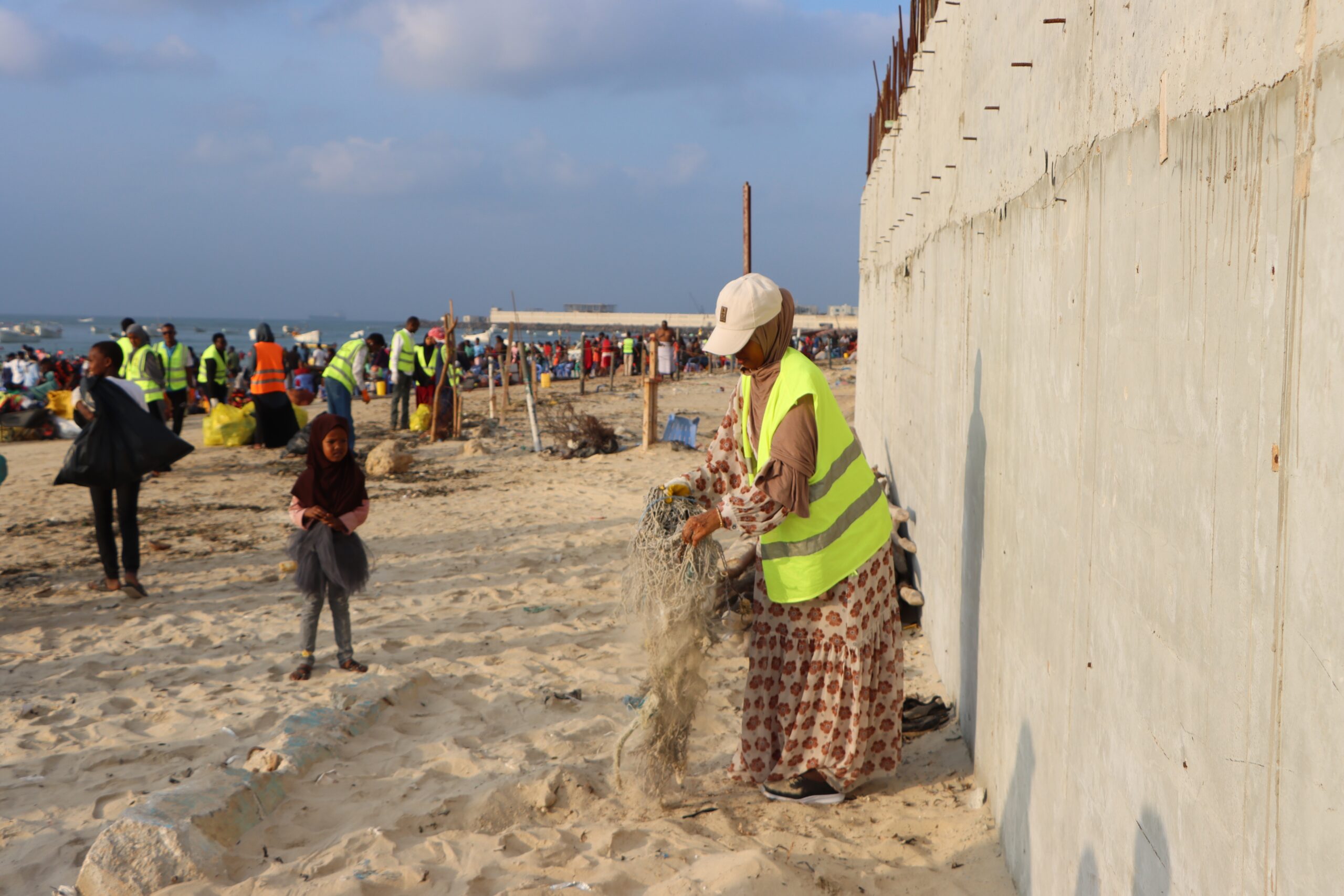
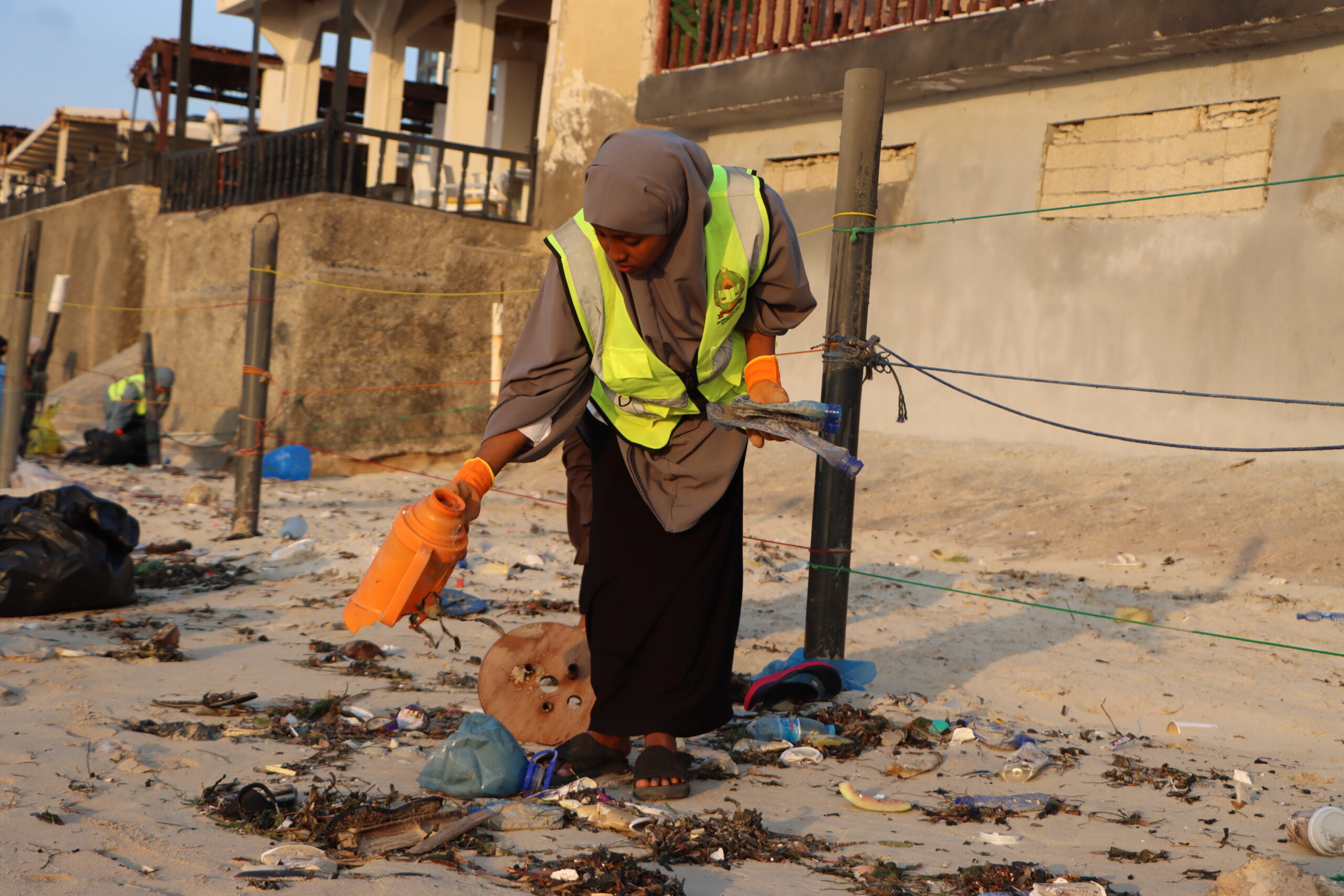
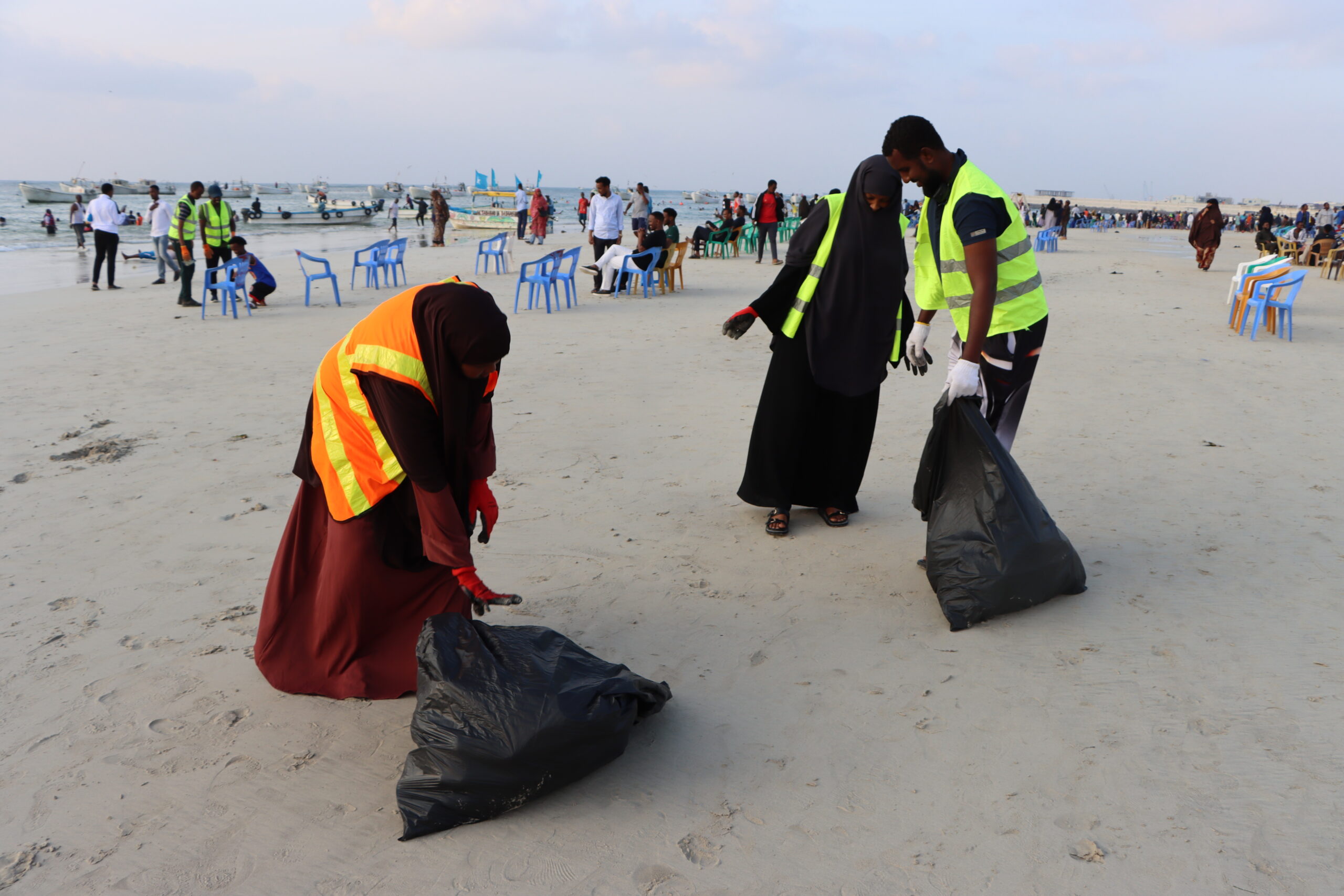
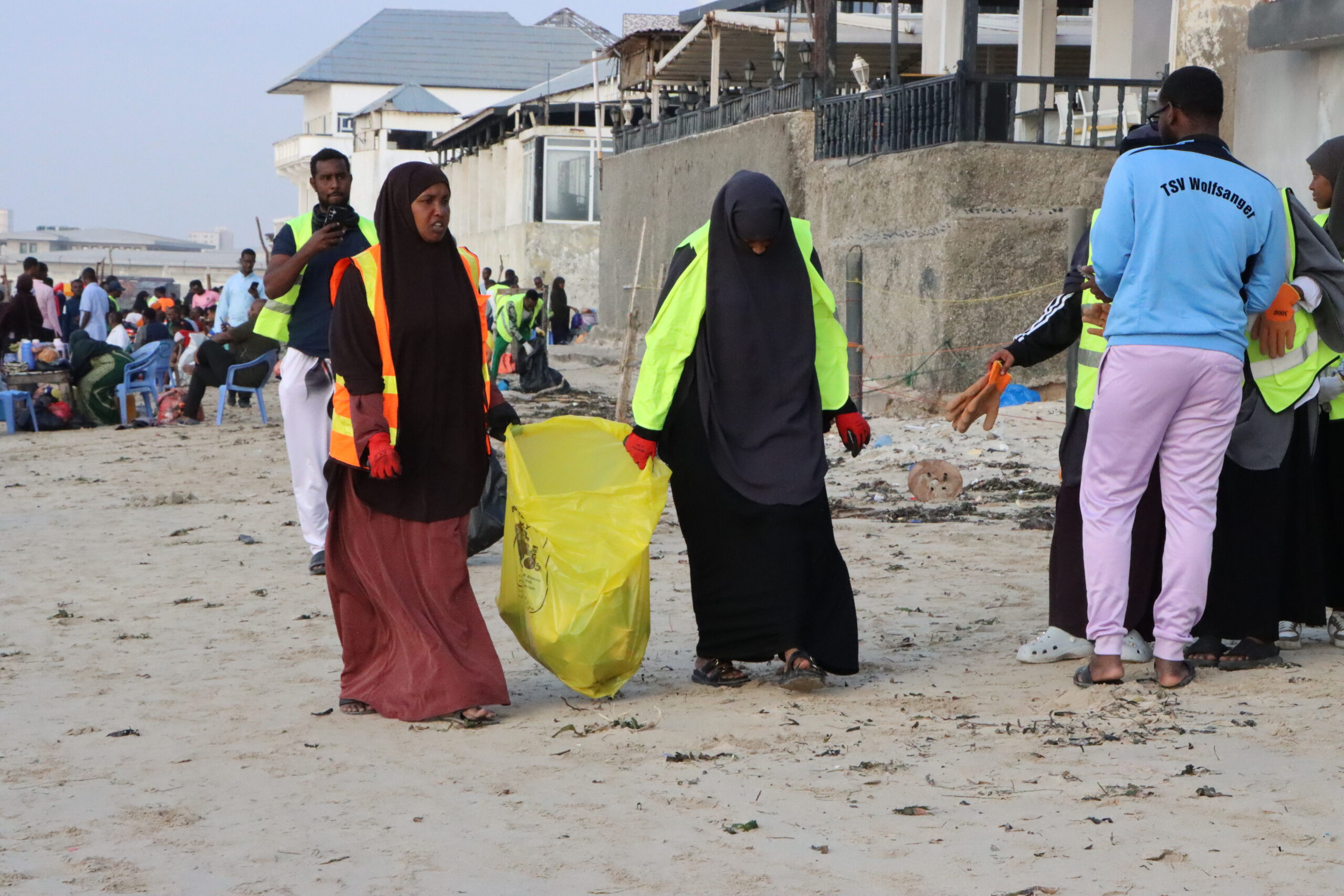
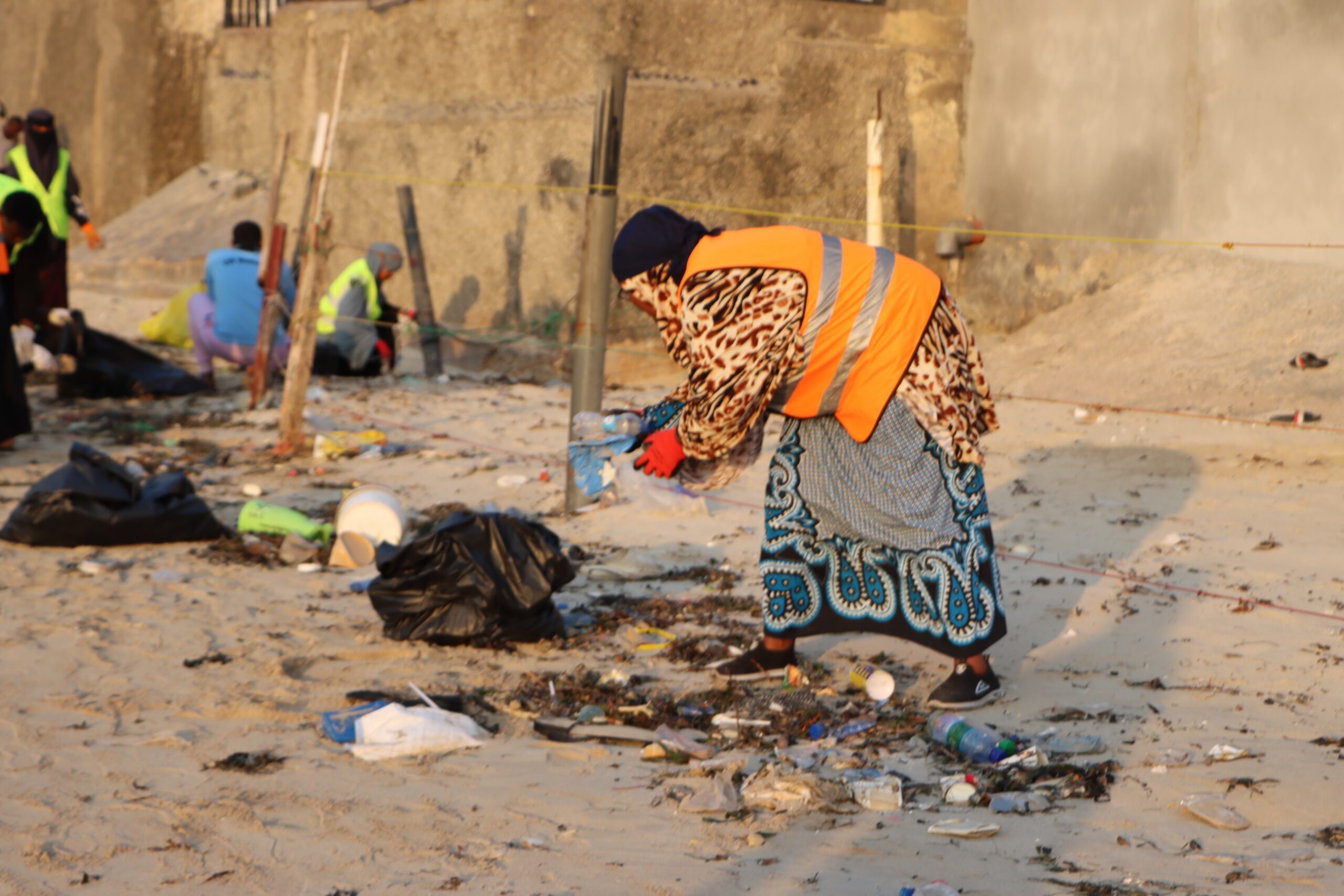
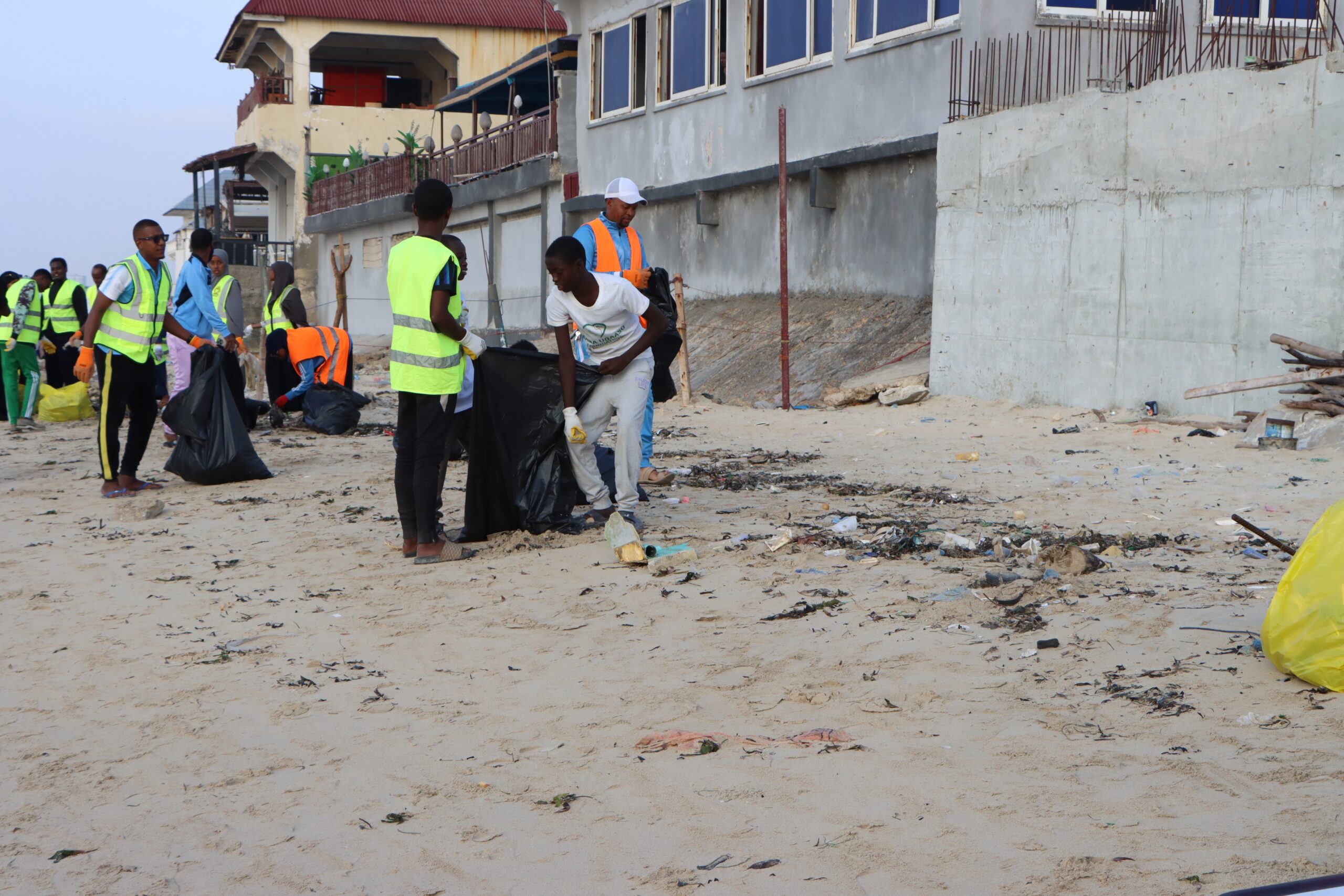
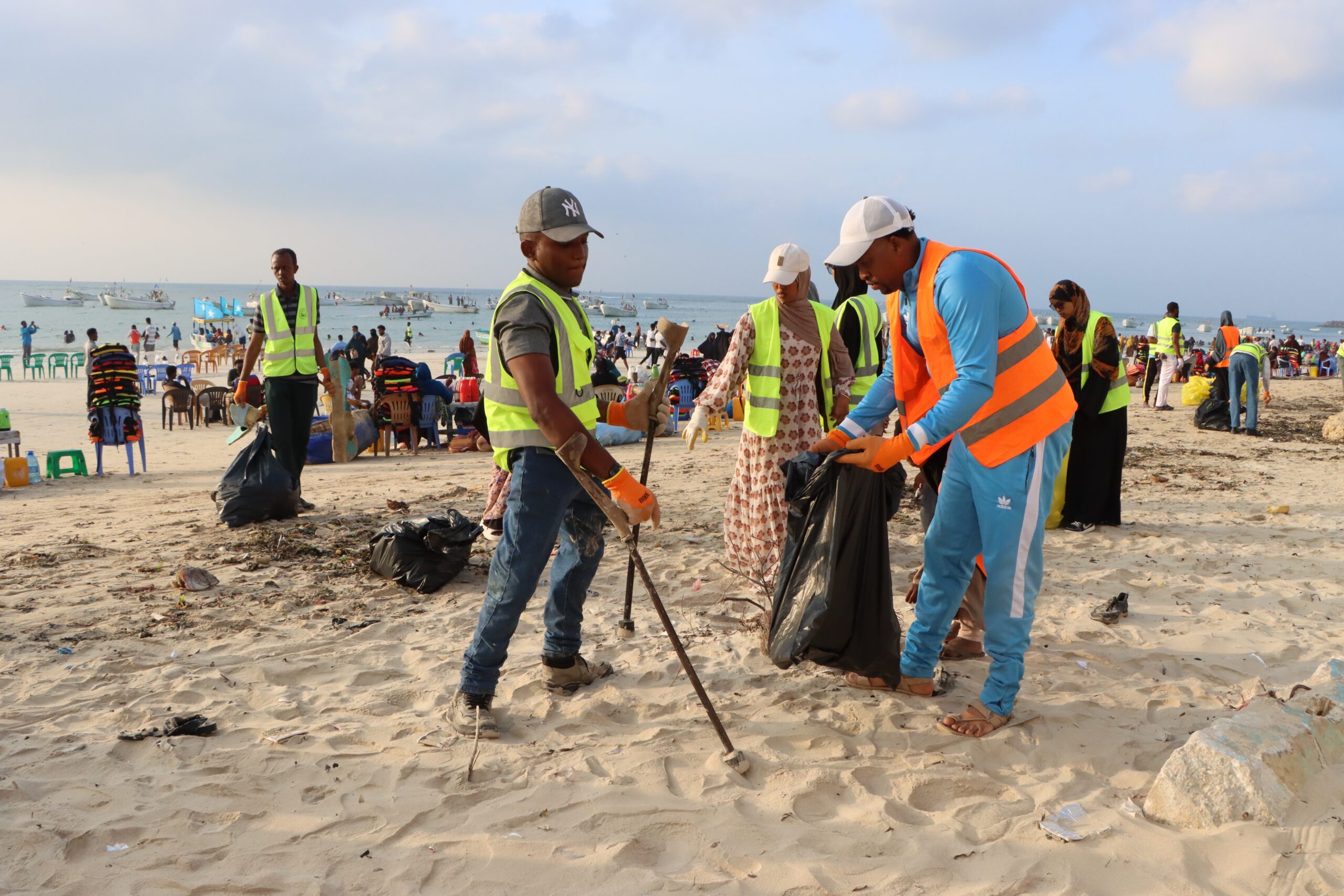
Every weekend, young university students are giving up their free time to descend on the beach, armed with little more than determination and bin bags.
Hour after hour, they collect rubbish and clear waste by hand — a quiet, unglamorous act of defiance against a crisis they did not create.
For these young men and women, the clean-up is more than environmental action. It is an act of hope — a belief that the land and sea can recover, and that they are the ones who must begin that work.
Here are a collection of photos.