

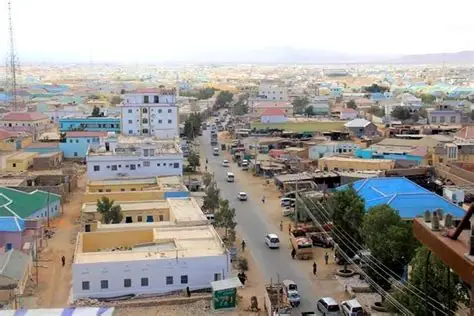

The withdrawal of Puntland Security Force (PSF) units from their long-held base in Bosaso and the peaceful takeover of the facility by Puntland security forces may reduce the immediate risk of armed confrontation in the city.
After weeks of mounting tensions and a day after heavy fighting in Galkayo, the move has temporarily eased fears of another major clash in Puntland’s commercial capital.
However, security experts caution that the transition also creates a sensitive period during which authorities must quickly secure former military installations and prevent extremist groups such as Al-Shabaab and ISIS from exploiting any security gaps in the Bari region.
The development follows Puntland’s seizure of former PSF positions in both Bosaso and Galkayo after military operations targeting federal-aligned PSF units.
Although the handover in Bosaso occurred without reported fighting, analysts warn that the underlying political dispute between Puntland and Somalia’s Federal Government remains unresolved, leaving open the possibility of renewed confrontations if a political settlement is not reached.
Security and Political Risks Remain
The latest developments underscore the growing divide between Puntland and Mogadishu over security authority and the deployment of federal forces inside Puntland.
Continued military rivalry between Puntland forces and federal-aligned units risks further straining relations and weakening coordination against common security threats.
Bosaso serves as Puntland’s economic hub and principal seaport, meaning any deterioration in security could disrupt trade, investment, and daily economic activity.
The recent clashes in Galkayo also highlighted the humanitarian risks of such confrontations, with civilians exposed to mortar fire and heavy weapons as fighting spread near residential neighborhoods.
Potential for Renewed Conflict
Despite the withdrawal from Bosaso, observers caution that the crisis may not be over. The PSF remains a well-trained force with experienced personnel and loyal supporters.
Without a comprehensive political agreement, tensions could re-emerge elsewhere, particularly if either side attempts to alter the existing military balance.
The situation also raises broader regional security concerns. Puntland continues to face challenges from Al-Shabaab and ISIS militants, particularly in the Bari Mountains, while maintaining security commitments in other disputed regions.
A prolonged internal security crisis could divert military resources away from counterterrorism operations, potentially creating opportunities for extremist groups to regroup and expand their activities.
Economic and Humanitarian Consequences
Any prolonged instability would carry significant economic costs. Bosaso’s port is a vital gateway for Puntland’s imports, exports, and commercial activity.
Continued insecurity could discourage investment, interrupt supply chains, and increase the cost of goods across the region.
Escalating violence could also trigger civilian displacement, place additional pressure on humanitarian agencies, and complicate international assistance efforts.
Development partners have consistently emphasized that political stability and effective security coordination remain essential for sustaining economic growth and humanitarian support in Somalia.
Path Toward De-escalation
Analysts argue that preventing further conflict will require both immediate security measures and sustained political dialogue. Among the proposals being discussed are:
- Establishing a joint mediation committee involving the Federal Government, Puntland, traditional elders, religious leaders, and regional or international partners such as the African Union, IGAD, or the United Nations.
- Negotiating formal security arrangements governing the deployment of federal and Puntland forces within Puntland.
- Clarifying the future status and command structure of former PSF personnel through security sector reforms.
- Reviving constitutional dialogue to address long-standing disputes over federal-state powers, security responsibilities, and resource sharing.
While the peaceful withdrawal from Bosaso has lowered immediate tensions, its long-term significance will depend on whether Puntland and the Federal Government can translate the current pause in fighting into a broader political agreement.
Without meaningful dialogue, analysts warn that the military standoff could re-emerge, threatening both Puntland’s stability and Somalia’s wider security landscape.