



Ahmed Ali Egal (Axmed Cali Cigaal), one of the towering figures of Somali music whose voice became woven into the emotional life of a nation, has died in Minneapolis, Minnesota, after a brief illness. He was 78.
Family members said Egal died early Friday, 31 July 2026, after spending the past week in hospital.
“He fell ill about a week ago and had been receiving treatment,” his nephew, Mohamed Abdulkadir, said. “He died early Friday morning.”
With his passing, Somalia loses far more than one of its greatest singers. It loses a voice that accompanied generations through love and longing, joy and grief, peace and war. For millions of Somalis at home and scattered across the world, Ahmed Ali Egal was not merely an artist. He was memory itself, carried in melody.
His songs drifted through family homes, wedding halls and tea shops.
They travelled on dusty cassette tapes, over crackling radio broadcasts and, later, across YouTube and smartphones, following Somalis wherever conflict and exile forced them to rebuild their lives. Long after listeners forgot where they first heard them, his songs remained—a bridge to places left behind and people dearly missed.
As a young boy, I remember hearing Egal’s songs playing on my father’s cassette recorder, long before the digital age. One song that always captured my imagination was his famous tribute to Boodhari:
“Are you not aware that the sea is made of dark water,
and that Boodhari died of love,
buried in Batalaale,
where his grave is visited in remembrance?”
Those worn cassette tapes carried more than music—they carried memories, emotions and a connection to a Somalia many people held in their hearts. For my generation, Egal’s voice was often introduced through our parents, becoming one of those rare sounds that never faded.
Often called the King of Somali Music, Ahmed Ali Egal helped shape the sound of modern Somali music during its golden age. Reflecting on his generation’s role, Egal said in an interview recorded three years ago: “We inherited a responsibility to create music that would be loved by the people.”
He also spoke about experimenting with new sounds, including the influence of rap and other emerging Western musical styles during the early 1980s, when the global rise of hip-hop was transforming from a local street movement into a major cultural and commercial force.
Egal’s rich, unmistakable voice, combined with poetry of extraordinary tenderness, transformed deeply personal emotions into songs that felt universal. He sang of love without sentimentality, heartbreak without bitterness, and hope without illusion.
Life in music
His life in music began almost by accident.
In 1964, while still a secondary school student, the shy 16-year-old stepped onto a stage and revealed a voice that immediately captivated teachers, classmates and audiences alike.
Born in 1948 into a modest rural family in what is now Somaliland, he had travelled to Hargeisa for his education. Few could have imagined that the boy singing in school performances would one day become one of the defining voices of Somali culture.

His breakthrough arrived in 1980 at a national music competition in Mogadishu, where his performance earned him a place in the legendary Waaberi troupe, Somalia’s state ensemble that stood at the heart of the country’s flourishing theatre and music scene.
There, alongside some of Somalia’s finest musicians, poets and composers, Egal helped create songs that would become woven into the country’s cultural identity.
Throughout a career spanning more than five decades, he collaborated with many of Somalia’s greatest artists, blending traditional melodies with modern orchestration while remaining deeply faithful to the poetic elegance of the Somali language.
Renowned singer Hibo Nura, who shared the stage with him for many years, remembered both his artistry and his quiet humanity.
“He was young and exceptionally talented when he started singing,” she said. “He was always calm, patient and respectful. His voice carried emotion in a way very few singers could. He made an extraordinary contribution to Somali theatre and modern music.”
Those who knew him often remarked on the simplicity of his life. Unlike many artists who pursued business or public office, Egal devoted himself almost entirely to music. Singing was not simply his profession—it was the work of his life.
After the civil war
Then came the war.
Like millions of Somalis, he watched the country that had nurtured his art collapse into violence. Mogadishu’s street clashes in 1990 forced concert halls emptied. Musicians scattered. Friends were separated by borders and oceans. Eventually, exile claimed him too.
For the last two decades, he lived in the United States as a refugee, carrying with him memories of the homeland that never stopped finding its way into his music.
In an interview in May 2023 with prominent journalist Abdisalan Hereri, his voice softened as he spoke not about fame or achievement, but about ordinary moments that conflict had stolen.
“I miss the good old days of peaceful Somalia, when I could drive my own car while listening to music without anyone bothering me,” Egal said.
That quiet longing—for home, for peace, for a life interrupted—had always lived beneath his songs.
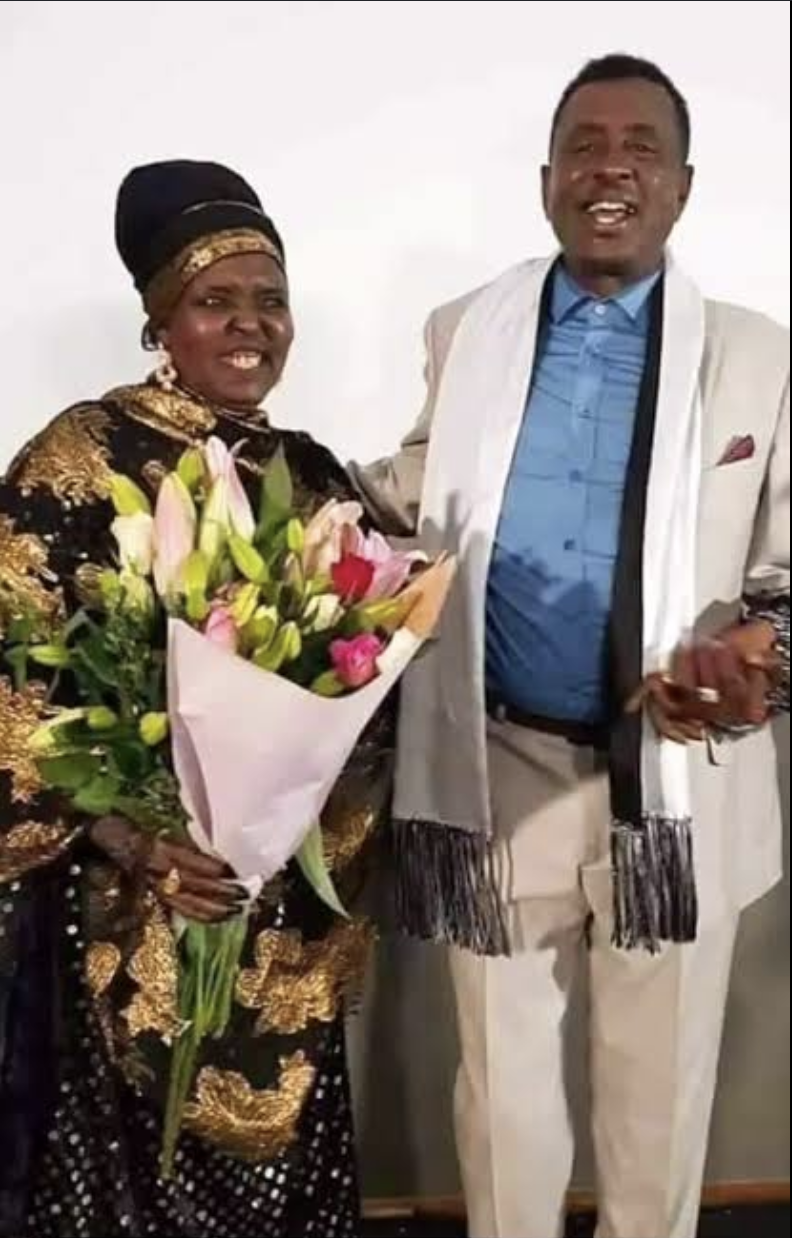
Among his most cherished works is “Garqaado Jacayl Yahow,” a timeless ballad whose opening verses have become part of Somalia’s shared cultural memory.
Be understanding toward me, O love,
Leave me alone so I can take a nap,
Do not bind me with chains upon my back,
Remove the arrow from me,
Or convey my suffering to the woman I believed was my beloved.
Ahmed Ali Egal’s songs became companions to broken hearts, to lovers separated by oceans, to refugees remembering home, and to families gathering to celebrate life despite hardship.
His own family story was inseparable from Somali music. He performed alongside many of the country’s most celebrated female artists, including Maryan Mursal, whom he later married. He also married the renowned singer Khadra Dahir Ige.
News of his death spread quickly across Somalia, Somaliland and Somali communities around the world, prompting an outpouring of tributes from fellow musicians, writers, journalists and ordinary listeners. Many did not simply mourn the loss of a singer. They mourned the passing of a generation whose music preserved a country’s soul through decades of upheaval.
Ahmed Ali Egal belonged to a rare class of artists who carried the ancient tradition of Somali oral poetry into the modern age without diminishing its beauty. His voice endured military rule, civil war, displacement and exile. Through every chapter of Somalia’s history, it remained recognisable, reassuring and profoundly human.
The man who once filled theatres with song has now fallen silent.
But as long as Somalis gather for weddings or evenings of remembrance, as long as old cassette recordings are replayed, as long as someone far from home searches for comfort in a familiar melody, Ahmed Ali Egal’s voice will rise again—gentle, unmistakable and timeless.
For some singers entertain a generation.
Ahmed Ali Egal helped a nation remember itself.