


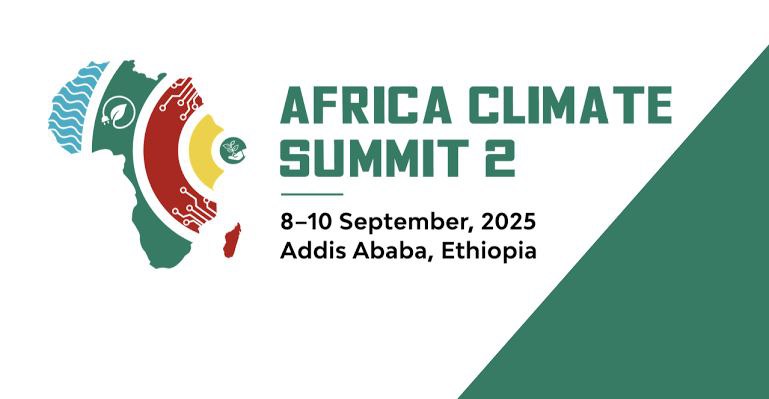


Addis Ababa (KAAB TV) – Today, the city of Addis Ababa, the capital of Ethiopia, is hosting a high-level African Climate Conference aimed at addressing the growing threat of climate change and its widespread impact across the continent.
This event marks the second round of the African Climate Conference series, bringing together heads of state, policymakers, and environmental experts from across Africa.
Among the prominent leaders attending the conference is the President of the Federal Republic of Somalia, Hassan Sheikh Mohamud, who is expected to play a key role in discussions and strategic planning sessions.
In his keynote address, President Mohamud will highlight the specific challenges Somalia faces as a result of climate change, including severe droughts, floods, and the displacement of communities. He is also expected to emphasize the need for collective action and international cooperation to mitigate these impacts and build long-term resilience.
The primary goals of the conference include evaluating the continent’s vulnerability to climate change, developing a unified African response, and strengthening collaboration among African leaders to ensure sustainable development in the face of environmental crises.
The event will also serve as a platform to craft continent-wide policies, enhance climate finance opportunities, and promote the sharing of technology and best practices.
In addition to his speech, President Mohamud is scheduled to hold bilateral meetings with several regional leaders. These include the Prime Minister of Ethiopia, Abiy Ahmed, the President of the Republic of Djibouti, Ismail Omar Guelleh, and the President of Kenya, William Ruto, among other high-ranking officials.
These meetings will focus on deepening diplomatic relations, exploring collaborative climate adaptation strategies, and reinforcing regional stability through environmental cooperation.
This summit comes at a critical time, as Africa continues to grapple with the consequences of a rapidly changing climate—despite contributing minimally to global greenhouse gas emissions.
Leaders attending the conference aim to ensure that Africa’s voice is heard in global climate dialogues and to secure increased funding and support for adaptation and mitigation efforts.
The outcomes of this conference are expected to shape Africa’s climate policy ahead of the next United Nations Climate Change Conference (COP), reinforcing the continent’s commitment to a greener, more resilient future.