

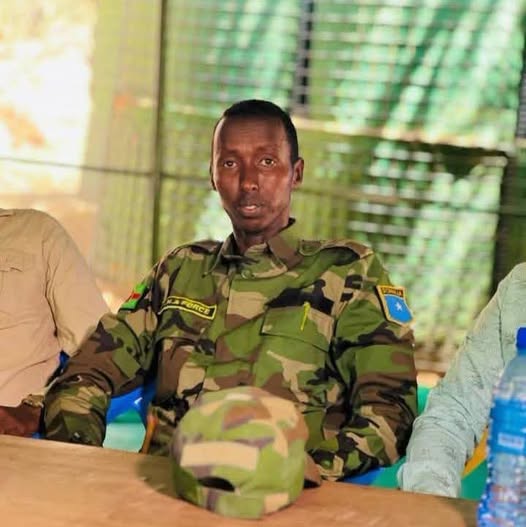

Marka, the administrative capital of Lower Shabelle region, is facing growing political and security tensions following repeated clashes between forces aligned with rival groups competing for control of the town.
The situation has raised fears that the political dispute could escalate into armed conflict, threatening civilians and stability across the region.
The dispute centres on who should administer Marka and control its security institutions. The main sides include the South West State administration and groups supporting the self-declared South Eastern administration.
The disagreement extends beyond control of government offices. It has also affected the deployment and command of security forces, the flags displayed at public institutions and the authority responsible for maintaining order in the town.
A report by the Armed Conflict Location and Event Data project (ACLED) said an ambush took place near Xero Ayuub in Marka on October 17, 2026.
The attack killed a district official and two members of clan militias, while three soldiers were wounded. ACLED linked the incident to tensions between forces supporting the rival administrations.
Another factor contributing to the uncertainty is the reported restructuring of security forces in the town.
Various reports indicate that troops from the 14 October Brigade were withdrawn from the Marka area and replaced by members of the Gorgor special forces and other units of the Somali federal forces.
The changes have raised questions about why the previous forces were removed, who authorised the decision and how the newly deployed units are expected to coordinate with local security personnel.
There have also been claims that thousands of troops were deployed to Marka, including personnel who received training in Turkey and Eritrea. However, the reported figure of 3,000 soldiers and details about their origins have not been independently verified.
The security situation has been marked by several incidents that illustrate how the political dispute is affecting the town. Reports have also indicated that security meetings were held in Marka involving traditional elders, Somali military officers and security officials.
According to accounts of those meetings, discussions included disarming forces supporting the South Eastern administration and reducing the number of competing military units operating in the town.
Some local residents and political figures have stressed the importance of retaining the experience and local connections of former security commanders, particularly those involved in operations against Al-Shabaab.
The challenge is to preserve that experience while preventing mistrust and renewed competition among security forces.
Comparisons between Marka and Baidoa have emerged because both areas have experienced disputes over political authority, military control and intervention by federal and regional actors.
Baidoa has faced armed confrontations and political rivalry between the new South West State administration and forces loyal to former regional president Abdiaziz Hassan Mohamed Laftagareen.
ACLED has warned that the dispute could lead to further displacement and prolonged clan-based conflict.
Marka is experiencing some similar dynamics, including rival political administrations, security forces operating under competing chains of command and disagreements over who has the authority to govern the town.
However, it would be premature to conclude that Marka will follow the same path as Baidoa.
The circumstances in the two towns are not identical, and the outcome in Marka will depend largely on whether political leaders can reach an agreement before tensions escalate further.
One of the most significant concerns is that continued divisions among government and local forces could create opportunities for Al-Shabaab.
Marka and surrounding areas are important for civilian movement, commercial activity and security operations in Lower Shabelle. If security forces become preoccupied with internal rivalries, their capacity to confront the militant group could be weakened.
ACLED has warned that political divisions in South West State could provide Al-Shabaab with opportunities to expand its activities, particularly if rival groups resort to armed confrontation instead of pursuing dialogue.
Resolving the situation requires clear agreement on which authorities are legally and administratively responsible for security in Marka.
Forces operating in the town also need a recognised unified command, coordinated orders and arrangements that prevent clashes between units.
Without a political settlement and effective security coordination, the dispute risks spreading beyond Marka and destabilising surrounding districts.
The priority should therefore be dialogue between the competing sides, clarification of administrative authority and measures to prevent further military confrontation.