

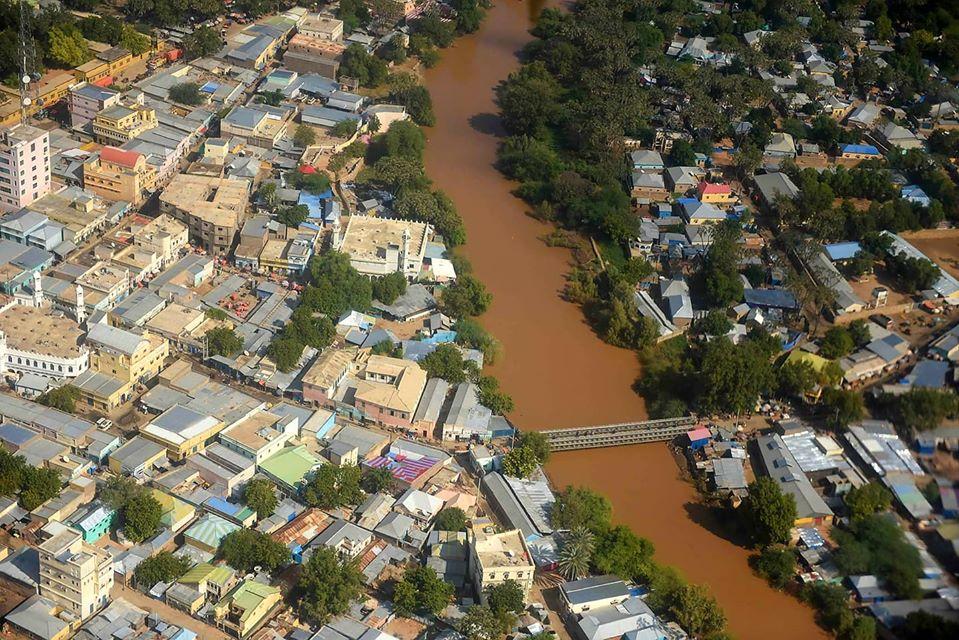

Beledweyne, the capital of Hiiraan region, is experiencing heightened security concerns following reports of sporadic gunfire at night and the deployment of armed forces along roads leading into the city.
The situation has raised fears among residents of a possible confrontation between rival political groups.
Residents say gunshots have been heard in several parts of the city after dark, creating anxiety among civilians already concerned about growing political and security tensions.
Local sources say the repeated gunfire has fuelled fears that the dispute could escalate into armed clashes.
The developments come amid continuing political disagreements in Hiiraan over regional administration, military deployments and the influence of competing political and traditional leadership groups.
Local sources also report that different armed groups are positioned along roads leading into Beledweyne. Some are said to be aligned with supporters of the Hawadle traditional leadership, while others support the Hirshabelle administration.
Their presence around key roads and locations has heightened public anxiety, although independent information confirming the number of personnel, their precise positions and the circumstances surrounding the nighttime gunfire remains unavailable.
The security concerns are part of a wider political dispute between the Hirshabelle administration and politicians, traditional elders and sections of the population in Hiiraan.
Tensions intensified following the October 24 election in which Ali Abdullahi Hussein Gudlawe was re-elected as Hirshabelle president and Abdifatah Hassan Afrah was chosen as vice president.
Some political figures and traditional leaders from Hiiraan rejected the process, arguing that it took place without sufficient consultation and agreement on political representation.
On November 7, Vice President Afrah and federal lawmaker and former intelligence chief Abdullahi Mohamed Ali Sanbaloolshe arrived in Beledweyne separately, both accompanied by armed security personnel.
Their visits were followed by opposing military movements, raising fears of a possible confrontation between rival groups.
Afrah said he wanted to engage traditional elders and politicians who opposed the election, while Sanbaloolshe has been among the prominent critics of the process.
Around the same time, Hawadle traditional leader Ugaas Yusuf Ugaas Hassan Ugaas Khalif called on security personnel from Hiiraan to gather in Beledweyne.
He urged members of the Somali National Army and other security institutions originating from the region not to take part in operations against their communities.
His appeal added another dimension to the dispute, as concerns grew over the influence of traditional leadership on the deployment and conduct of government forces.
Political activity in Beledweyne has remained intense, with rival groups seeking to strengthen their positions in the dispute over Hirshabelle’s leadership.
Some traditional elders and politicians are demanding a review of the regional administration’s formation and a political agreement that guarantees fair representation and meaningful consultation among Hiiraan communities.
Supporters of the Hirshabelle administration, meanwhile, want the newly elected leadership to exercise its authority across the region. The opposing positions have left the political dispute unresolved and increasingly intertwined with security arrangements.
Earlier developments have also demonstrated how the dispute has extended beyond political statements.
On October 31, armed Macawiisley fighters took control of sections of the Hiiraan regional administration headquarters at Lama Galay and established positions around other strategic locations in Beledweyne.
The incident highlighted the growing involvement of armed community forces in the disagreement over regional authority.
Civilians remain particularly vulnerable to any further deterioration in the security situation. Continued gunfire and military movements could disrupt businesses, restrict movement and affect access to essential services.
Residents are also concerned that armed confrontations could trigger fresh displacement, particularly among families living near areas where rival forces are deployed.
Beledweyne is a strategically important city for Hiiraan, and instability there could have consequences for security across the wider region, including ongoing efforts to contain Al-Shabaab.
The situation requires urgent engagement by the Federal Government, the Hirshabelle administration, traditional leaders and political representatives from Hiiraan.
Preventing an armed confrontation will depend on reducing military tensions, opening credible political dialogue and addressing the grievances behind the dispute before it escalates further.