

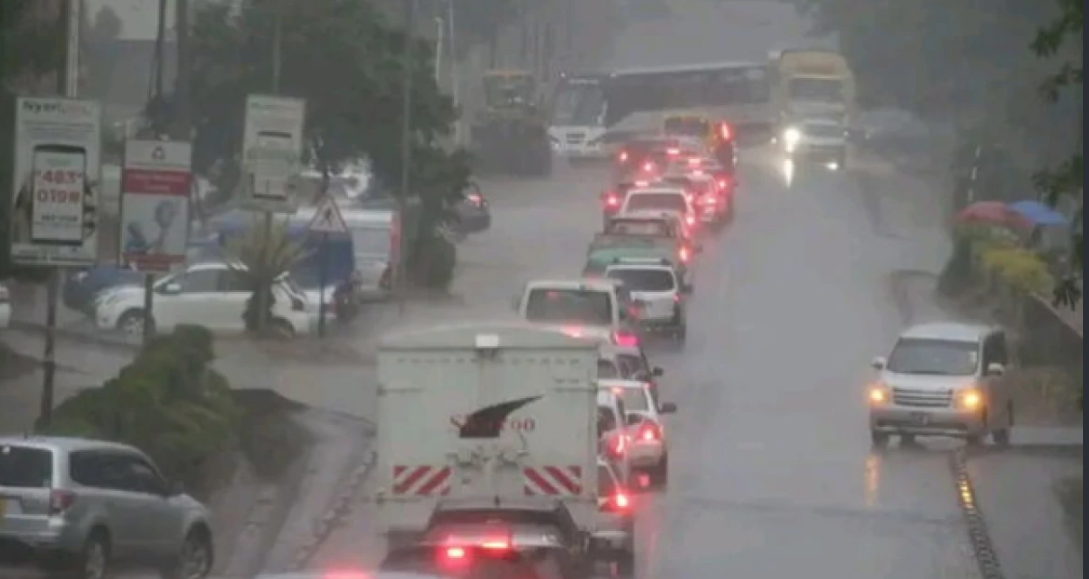

The Kenyan government has intensified preparedness measures ahead of the October–November–December (OND) 2026 rainy season, urging citizens to take early precautions against potential flooding, landslides, and disruptions to transport and essential services.
Government Spokesperson Charles Owino said ministries, departments, and agencies are working closely with county governments, humanitarian organizations, and development partners to strengthen multi-agency response mechanisms before the onset of the rains.
According to Owino, authorities are conducting risk assessments, identifying flood-prone and vulnerable areas, preparing emergency response plans, and enhancing early-warning communication systems to help communities prepare for severe weather conditions.
“The government is particularly alert to the possibility of heavy rainfall in some areas, which may lead to flooding, landslides, disruption of transport and essential services, damage to infrastructure, and displacement of vulnerable households,” Owino said.
The government has advised residents living in flood-prone areas, along riverbanks, and in other high-risk locations to take precautionary measures before rainfall intensifies.
People occupying riparian reserves have been strongly encouraged to voluntarily relocate to safer areas as a safeguard against possible flooding.
Authorities also warned the public against crossing flooded rivers, roads, and bridges, while motorists and pedestrians have been urged not to travel through moving floodwaters.
Residents have been advised to stay away from riverbanks and drainage channels and ensure children do not play near flooded areas or water bodies.
Households are being encouraged to secure important documents, property, and livestock where possible and to comply with evacuation instructions issued by authorized agencies.
The Kenya Meteorological Department (KMD) will continue monitoring weather developments and issuing forecasts and advisories to support preparedness and response efforts at both national and county levels.
Owino called on communities to cooperate closely with local administrators, county governments, and disaster-response teams, particularly in identifying vulnerable individuals and facilitating early evacuations when necessary.
He also urged Kenyans to rely on official weather updates and avoid spreading unverified information, stressing that “early warning must translate into early action.”