

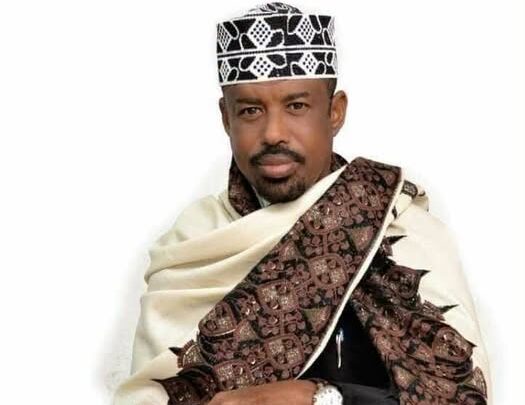

The House of Representatives of Somaliland has suspended Yusuf Shaacir, a poet, journalist, and adviser to the parliament, after accusing him of making allegations and public remarks against national leaders through independent media outlets.
According to an official letter issued by the House of Representatives, the suspension followed a prior verbal warning given to Shaair regarding comments he made in the media and the manner in which he discussed senior state officials.
Parliament said the warning was intended to give him an opportunity to refrain from statements considered inconsistent with the responsibilities of his advisory role.
However, the letter stated that after receiving the warning, Shaacir allegedly continued making accusations and comments directed at Somaliland’s leadership, which were subsequently circulated by independent media organizations.
The parliament argued that these actions prompted the decision to suspend him from his duties.
Yusuf Shaair is a well-known poet, journalist, and public commentator in Somaliland who has frequently spoken on political, social, and governance issues.
His views have often generated public debate, particularly when addressing the actions of political leaders and government officials.
The suspension comes amid ongoing discussions in Somaliland about the responsibilities of public officials and government employees, as well as the balance between freedom of expression and the obligations associated with holding a public position.
Supporters of the parliament’s decision may argue that government advisers are expected to adhere to institutional rules and professional standards when commenting on national leadership.
Critics, however, could view the move as raising broader questions about freedom of speech and whether disciplinary action against public employees should follow a transparent process that allows those accused to fully respond to allegations against them.
The parliamentary letter specifically cited Shaacir’s public comments and allegations against national leaders as the basis for the suspension.
It did not provide further details on how long the suspension will remain in effect or what additional administrative measures, if any, may follow.
It is also unclear whether Shaacir has formally responded to the decision or intends to challenge it through legal or administrative channels. If an appeal mechanism exists within parliamentary procedures, the case could move into a further review process.
The incident is likely to fuel debate in Somaliland over the relationship between public service obligations and freedom of expression, particularly at a time when political discussion remains highly active across traditional media and social media platforms.