


The widespread use of mobile money and foreign currencies in Somalia has renewed debate over whether a country can remain sovereign if its national currency is not the primary means of exchange in everyday life.
From a legal standpoint, the answer is yes. International law does not require a country to have its own widely used currency in order to be recognized as a sovereign state.
Several countries around the world use foreign currencies or share a common currency with other nations while maintaining full independence.
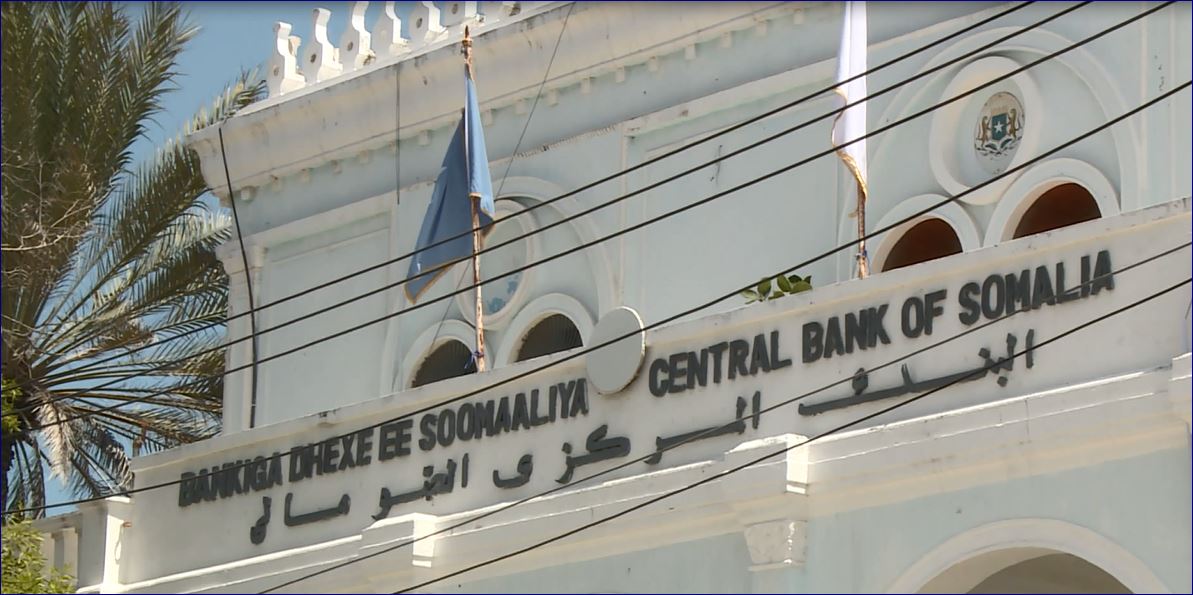
In Somalia’s case, it is incorrect to say that the country has no national currency. The Somali Shilling remains Somalia’s official legal tender, and the Central Bank of Somalia retains the legal authority to issue and regulate the currency.
The challenge is that the currency officially recognized by law is not always the one most commonly used by the public.
The U.S. dollar is widely accepted across Somalia, while mobile money platforms have become the dominant method for payments, transfers, and daily transactions.
Services such as EVC Plus have transformed the way the Somali economy functions. Consumers can send money, receive payments, and purchase goods without handling cash, making digital payments an essential part of everyday life.
Recent disruptions to mobile money services have highlighted just how dependent many Somalis have become on electronic payment systems.
However, a technical failure affecting a mobile money platform does not mean Somalia is without a currency. Mobile money is a payment method, while the Somali Shilling remains the country’s official currency.
Economists have long argued that Somalia needs a stronger and more integrated financial system linking banks, mobile money operators, and the Central Bank.
Such a system would ensure that if one payment platform experiences problems, consumers still have alternative ways to access and use their funds.
Experts also stress the importance of restoring confidence in the Somali Shilling. A national currency becomes stronger when its value is stable, businesses trust it, and citizens use it regularly for trade and savings.
Somalia therefore remains a country with an official national currency. The real issue is not the absence of a currency, but the growing gap between what is recognized by law and what is most commonly used in everyday economic activity.