

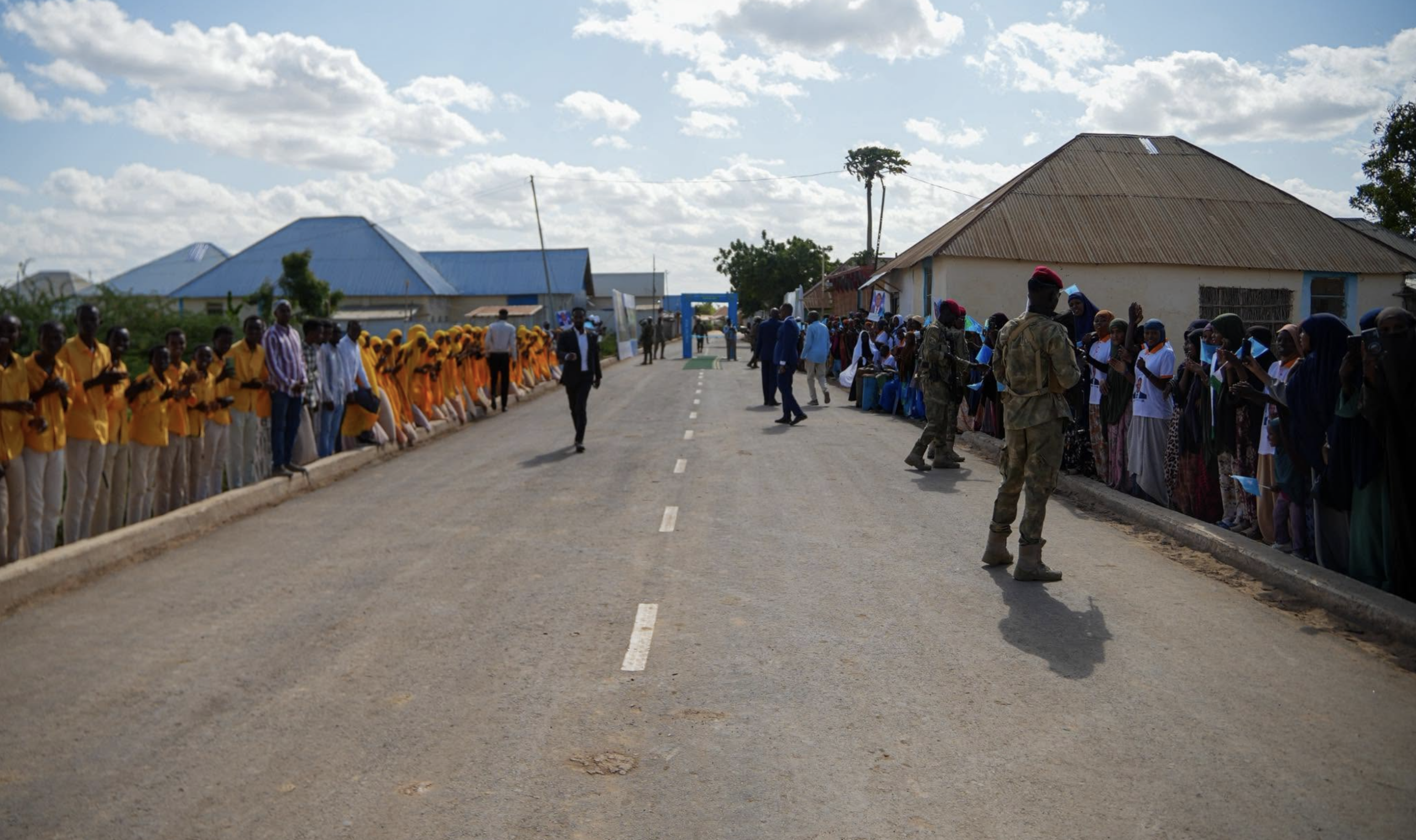

A landmine explosion that injured two people occurred on Sunday morning at the southern checkpoint of Jowhar city, the administrative capital of HirShabelle State.
The injured individuals were identified as a security officer stationed at the checkpoint and a civilian who was reportedly nearby at the time of the blast.
Police forces who arrived at the scene immediately launched search operations to track down those suspected of being responsible for the explosion.
The attack is the fourth explosion inside Jowhar in the past few weeks as security worsens in the agricultural town.
The outskirts of Jowhar have witnessed several similar landmine attacks in recent times, which have caused both deaths and injuries.
The Al-qaeda affiliate group, Al-Shabaab, has escalated its attacks in and around Jowhar, with reports indicating a rise in extortion activities targeting civilians and local businesses.
The group is also said to have increased its control over the road linking Mogadishu and Jowhar, a distance of about 90 kilometres, where civilian vehicles are reportedly being stopped and searched by militants.
Residents say the repeated militant attacks linked to Al-Shabaab, including IED explosions and ambushes targeting security checkpoints, military positions, and civilian areas have disrupted the city’s business and agricultural developments hindering aid agencies and local businesses.
According to local residents and drivers, Al-Shabaab fighters have established checkpoints along some of these alternative routes, where they stop vehicles and collect payments that the group describes as taxes.
Drivers say the amount charged varies depending on the type of vehicle and the nature of the cargo being transported.
Several transport operators reported that the collections are taking place near junctions and crossing points around the Qalimow area, located between Balcad and Jowhar.
Truck drivers and traders have expressed concerns that the additional costs are increasing transportation expenses and affecting the movement of goods and services.
The town remains a strategic flashpoint along key routes between Mogadishu and central Somalia, where government forces and allied troops continue counter-insurgency operations amid ongoing security threats.
As a result of the deteriorating security situation, Somali federal authorities and Hirshabelle state officials are increasingly relying on air transport between the two cities, highlighting the severe impact of the insecurity on one of the country’s key transport routes.