

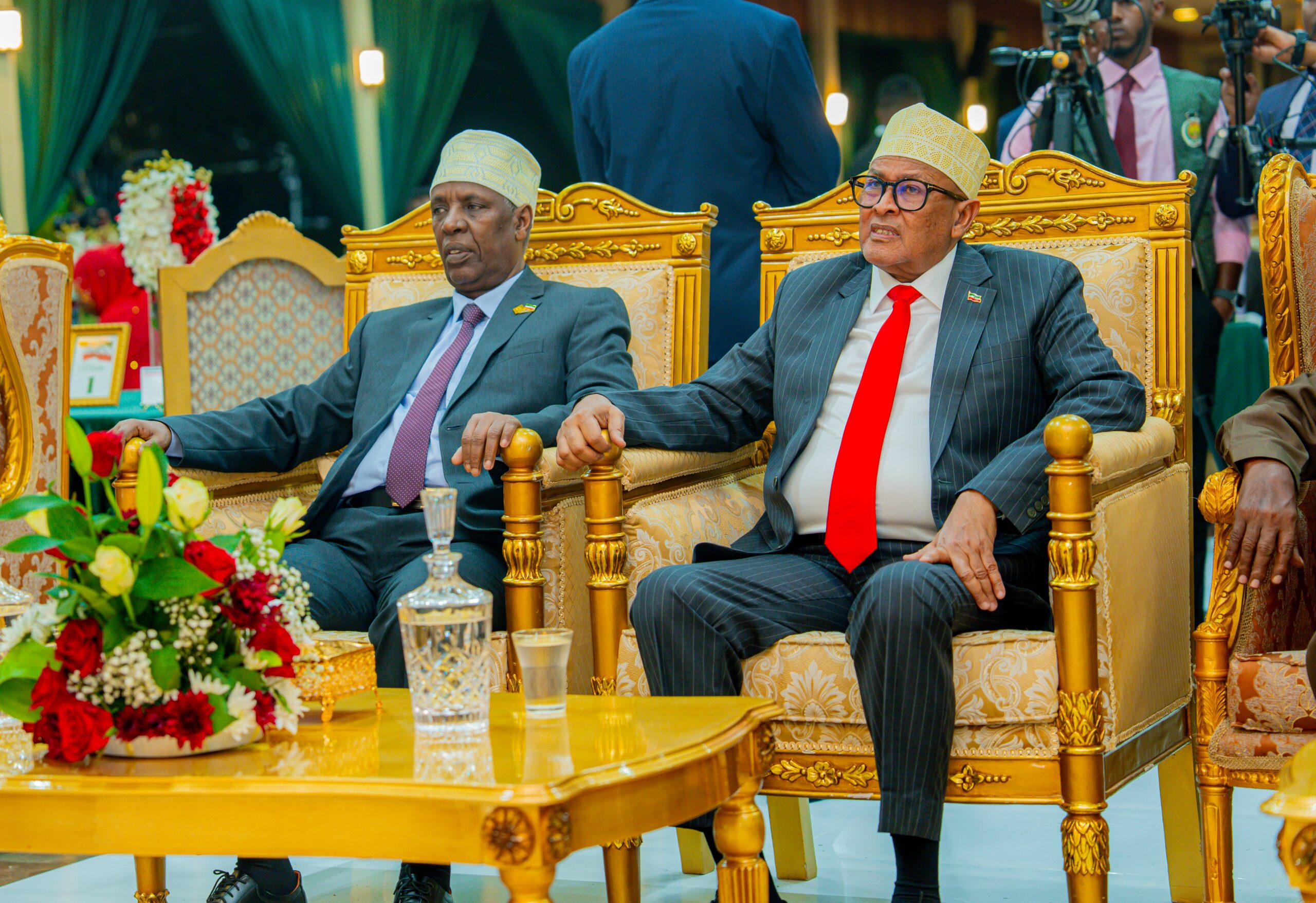

Somaliland’s leadership has entered a visibly more assertive diplomatic phase following President Abdirahman Mohamed Abdullahi “Irro’s” landmark visit to Israel mid this month, a move that marks one of the most significant foreign policy developments in the territory’s recent history.
Irro’s visit, which began on 14 June, included high-level meetings with Israeli government officials and reports of discussions on trade, security cooperation, and development aid.
Somaliland authorities also announced the opening of Somaliland’s first embassy in Jerusalem, a symbolic step that immediately drew regional and international attention.
Upon his return to Hargeisa on Thursday 25 June, President Irro was received with large public celebrations, prompting him to wave from the top of a Land Cruiser to cheering crowds from outside Hargeisa’s Egal International Airport to the city centre.
In his address marking Somaliland’s Independence Day on 26 June, he described the visit as “fruitful,” noting that around 1,000 Israeli companies had “expressed interest” in investing in Somaliland and that he had met approximately 100 company CEOs during the trip to discuss potential investment opportunities.
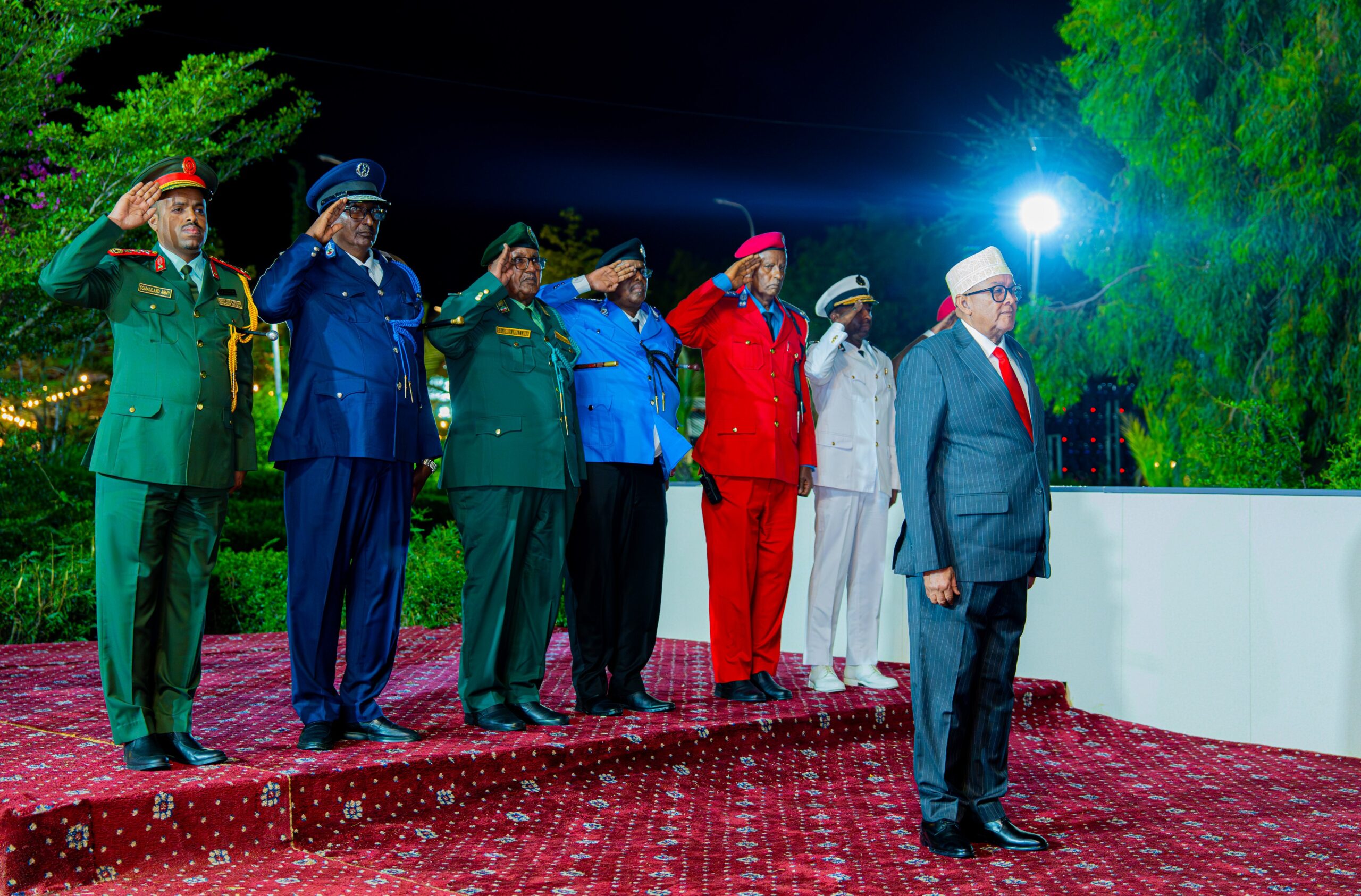
While Somaliland officials initially dismissed media reports suggesting the presence of Israeli forces on its territory, the defence minister later confirmed that Somaliland military and police personnel are receiving training from Israel aimed at strengthening security capabilities in a region facing persistent threats.
Somaliland has also sent two batches of water engineers to receive training in Israel.
The developments have triggered renewed diplomatic friction with Mogadishu.
The outgoing President Hassan Sheikh Mohamud and Prime Minister Hamza Abdi Barre, have renewed their opposition to Somaliland’s deepening ties with Israel, warning against any steps that could be interpreted as de facto recognition.
At the same time, Somaliland officials renewed its strategic alignment with Ethiopia, reviving momentum around the 2024 Memorandum of Understanding that would grant Addis Ababa access to the sea via Berbera Port.
Foreign Minister Abdirahman Dahir Adan told an Ethiopian publication early this mintthat Somaliland is ready for implementation, claiming that Ethiopia currently uses Berbera for only about “30 percent” of its import and export needs, leaving significant room for expansion.
Taken together, these developments reflect a shifting geopolitical posture in the Horn of Africa, where Somaliland is increasingly positioning itself as an independent diplomatic and economic actor.