


ADDIS ABABA, Ethiopia (Kaab TV) – Ongoing fighting in Ethiopia’s Oromia region is taking a devastating toll on local communities, particularly in remote areas, the International Committee of the Red Cross (ICRC) reports.
While Oromia rarely makes international headlines, civilians continue to face violence, limited access to aid, and severe disruption of essential services.
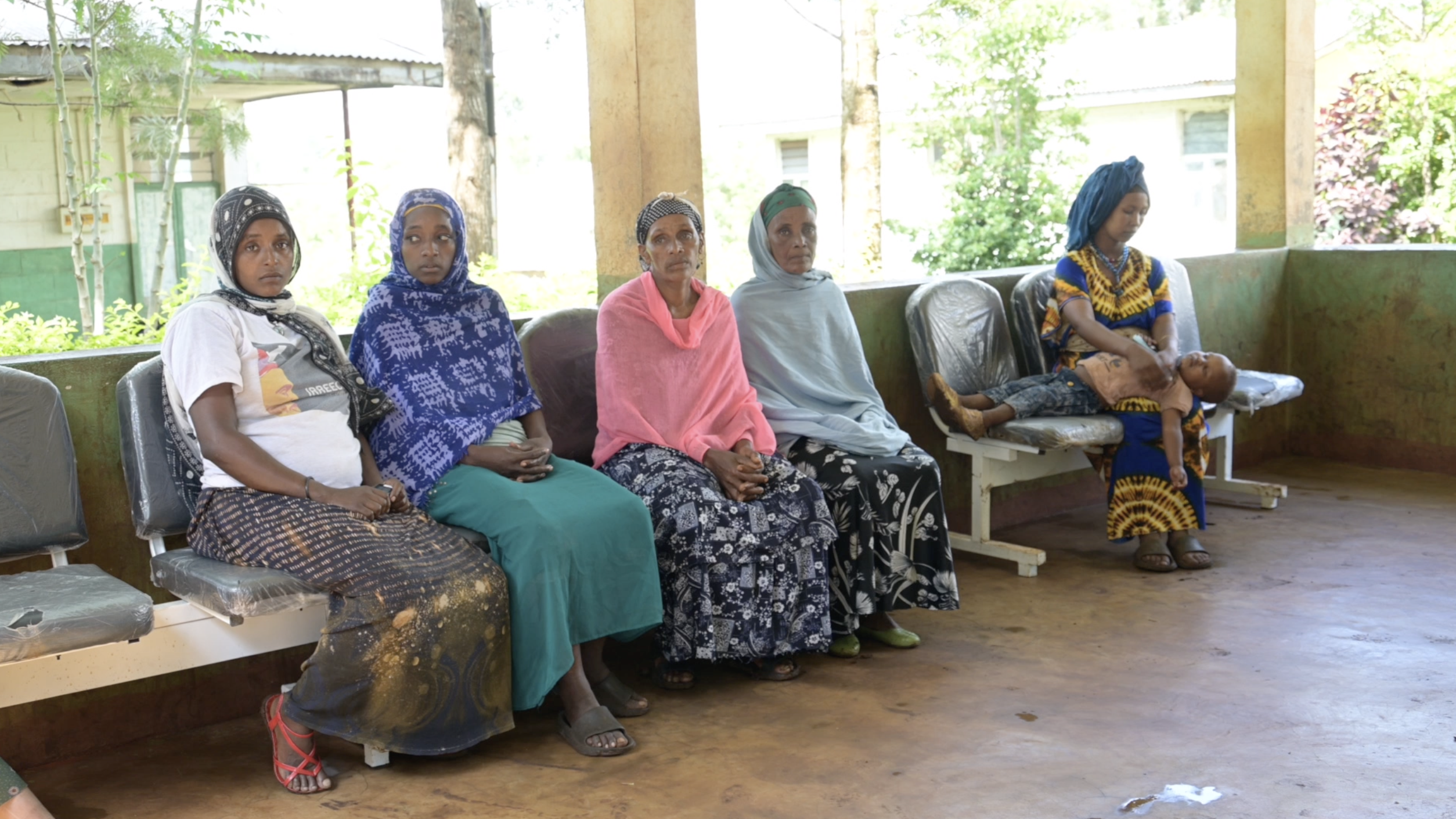
Asiya Abdela, a farmer in the isolated village of Arma Gunfi in West Wellega, described the dire consequences of the conflict on healthcare.
“In the past, we have suffered a lot from lack of health services. Many pregnant women have died in our village due to lack of medicine and healthcare services,” she said while waiting for prenatal care at the local primary health center.
Gemechis Emana, the center’s director, confirmed that it had been non-operational for nearly two years because of the conflict, leaving residents with serious health problems.
“We have been sending as many pregnant women as possible to Begi hospital using donkey carts to save their lives,” he added.
Wounded and nowhere to goCommunities in the region often live on or near frontlines, making travel perilous.
Sanbato Karkarsa, who lives in Begi less than 10 kilometers from Gunfi, recounted being shot during the fighting.
“It was a very difficult time. The road was blocked. People like me who were wounded, including a pregnant woman, had nowhere to go. Begi hospital was destroyed, and there was not enough medicine or functioning medical equipment,” he said.
For many years, the ICRC has been working directly with all parties to the conflict to ensure humanitarian access.
Arpita Mitra, the ICRC delegate in West and Kellem Wellega zones, emphasized the scale of the crisis. “The conflict has also ravaged infrastructure, including schools, health facilities, and water points, increasing the humanitarian consequences for communities stranded between both sides of the fighting,” she said.
ICRC teams in Oromia have helped restore health services at several hard-hit sites, focusing on maternal and child healthcare.
In West Wellega alone, staff have provided care to more than 50,000 people, treating over 100 patients daily.
From January to June 2025, ICRC-supported health facilities delivered free services to 103,000 patients and assisted 978 pregnant women with safe deliveries and management of complications across 20 clinics in the region.