

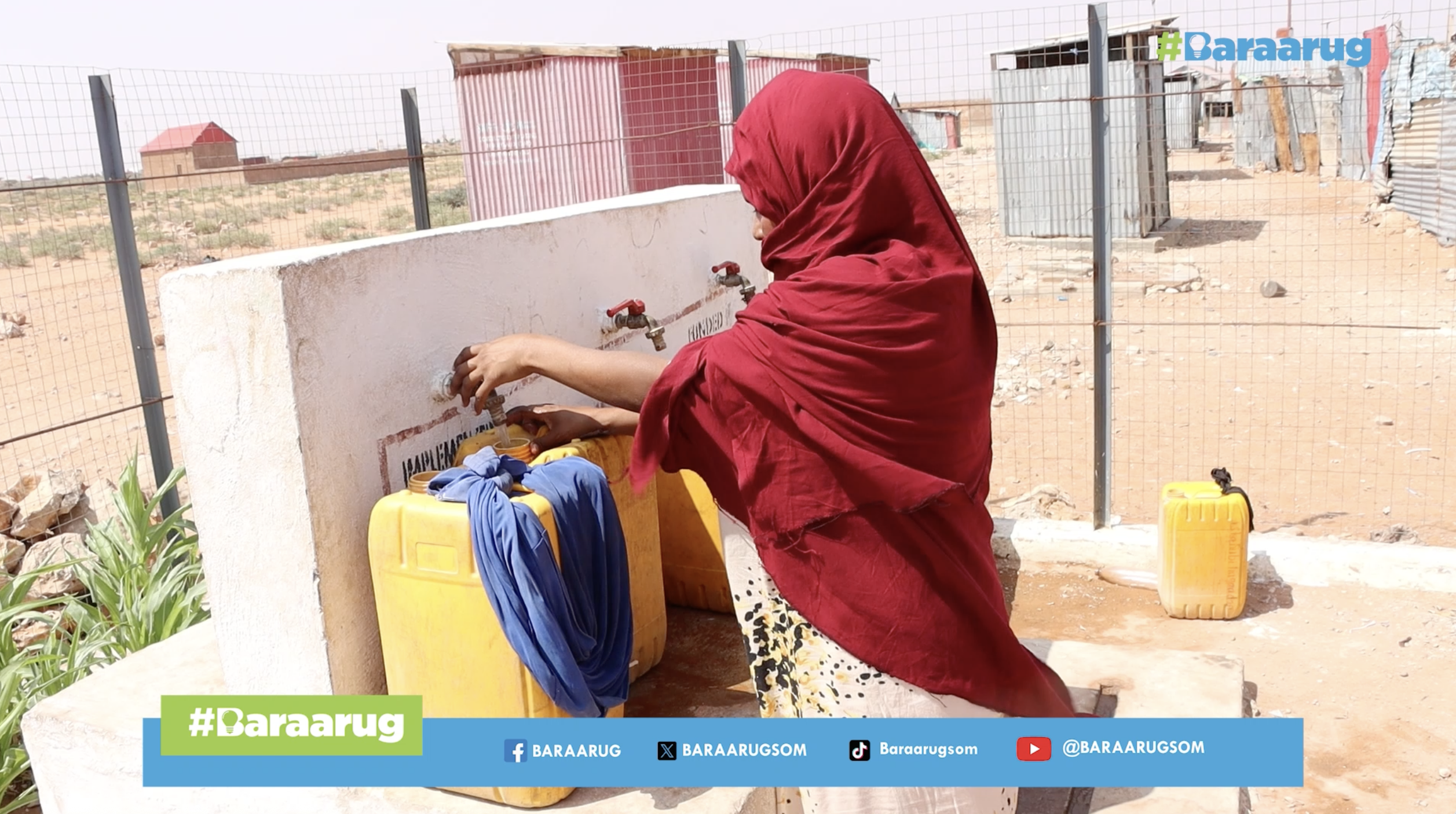

MOGADISHU (Baraarug) – In Somalia, almost every girl faces the blade. Reports estimate national prevalence of female genital mutilation (FGM) among women aged 15–49 in Somalia to be 99.2%.
The FGM is a deeply harmful traditional practice that victims and human rights groups say leaves physical and emotional scars for life.
Despite decades of awareness campaigns and advocacy, progress has been slow.
Only one federal member state – Galmudug – has enacted a law banning FGM in early 2024. Even there, enforcement is weak, and the practice continues behind closed doors.
For survivors, the memories are vivid and painful.
Nasteho was just seven when her grandmother took her to an elderly woman who performed the cut.
“I didn’t know much about it. My mother lived in another town. When she found out, she asked why. My grandmother said it was our tradition and she wanted to preserve it,” she told Baraarug.
Across the country, FGM cuts across geography and class. Girls in cities and rural areas face the same fate, and those who refuse risk shame, insults, and social rejection.
Some men even insist on marrying only women who have been cut, believing – without evidence – that they will be more “faithful.”
In a displacement camp in Mogadishu, four women told Baraarug they were cut as children; three said they were married off to older men soon after.
Shukri was seven when her aunt performed the procedure.
Orphaned young, she lived with her aunt, who later arranged her marriage.
“The pain only got worse after I married. During childbirth, the midwife cut me again because she said I couldn’t deliver otherwise,” she said. “I once tried to escape, but I was forced back – leaving your husband is not accepted.”
Trauma still lingers
Halima, cut at 11 with scissors and stitched with a needle and thread, says the trauma still lingers.
“Urinating was painful. My periods were painful. My mother married me to an older man for money because we were poor,” she said. “I tell women and girls now: stop this practice.”
Some who once carried out FGM are now speaking out.
Ruqia Abdulle, 68, performed the procedure for four decades, trained only by her mother and with no medical knowledge.
“When women are cut, they suffer during sex, in pregnancy, even during their periods,” she said.
While Ruqia has stopped, she still advocates for a so-called “milder” version known as Sunno, which rights groups stress is also a violation of women’s rights.
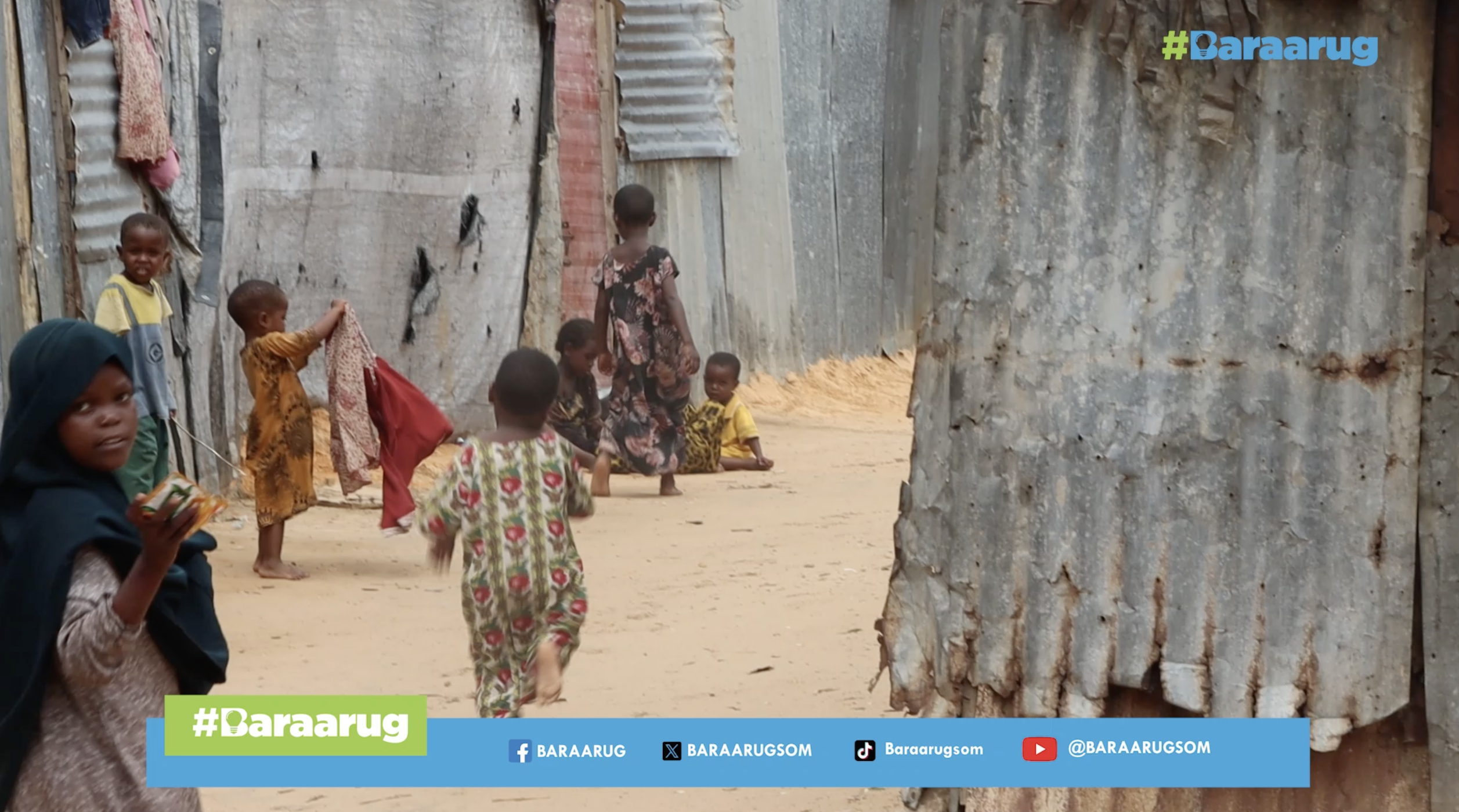
In Galkayo, divided between Galmudug in the south and Puntland in the north, the legal ban in the south has not ended the practice.
Asha, 27, a mother of three, remembers the day in 2005 when she was cut. “I was chained at the legs. The anesthetic didn’t work, and I bled heavily,” she said.
Many girls, she added, never receive medical care afterward – some die from bleeding.
Sheikh Dahir Muse, a religious leader in Galkayo, says Islam offers no justification for FGM.
“If a woman causes harm to another during circumcision, Islamic law imposes full compensation for her life. There is no excuse for this practice,” he said.
In one Galkayo IDP camp, former cutter Kamila Hussein has become an advocate against FGM.
“After 15 years, I stopped. Now we meet every week to raise awareness. Families here are abandoning it because they’ve seen it can kill young girls,” she said.
Campaigners say the roots of FGM in Somalia predate Islam, tracing back to ancient Egypt.
“The Pharaoh was not Muslim, yet Somalis – who are Muslim – have held on to this harmful practice,” said Ifrah Ahmed, founder of the Ifrah Foundation. “Every new government talks about banning FGM, but no nationwide law has been passed.”
For now, Somalia remains the country with the highest prevalence of FGM in the world – a place where nearly every girl is marked by a practice many call one of the gravest violations of human rights.