

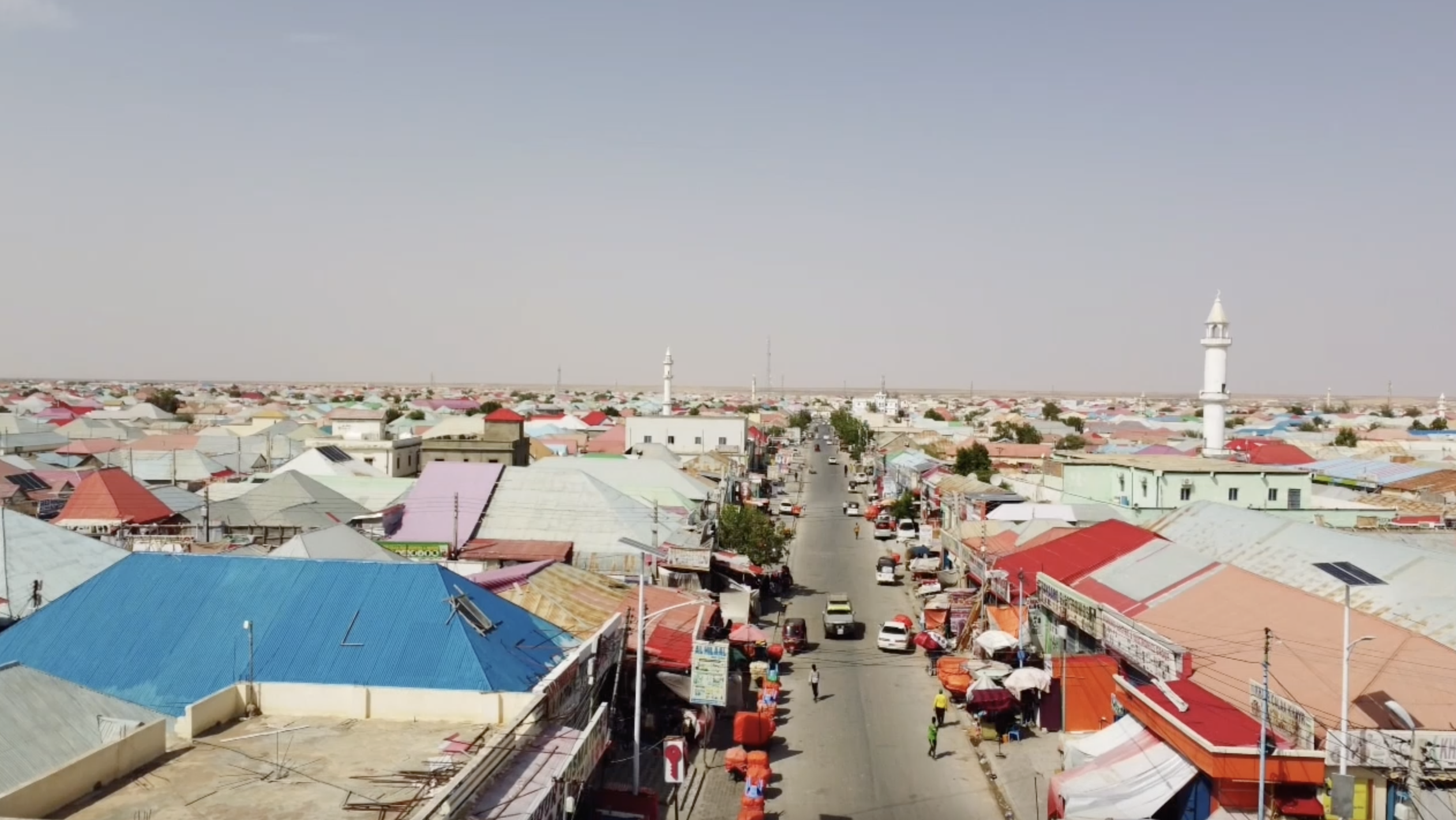

GAROWE (Kaab TV) – In the dusty town of Xarfo in Mudug, central Somalia, a quiet but powerful voice pierced through decades of pain.
“All Somalis are brothers and sisters. This conflict must end,” declared 69-year-old Hawo Mohamed during a community-led reconciliation gathering held last December to end local clan hostilities that had already claimed several innocent lives.
From the highlands of Sool and Sanaag to the scorched pastoral lands of Mudug and the shattered districts of southern Somalia, the scars of violence run deep.
Clan-based conflicts—rooted in historical grievances and modern political fractures—have caused untold deaths, injuries, and displacement across the country.
Despite over three decades of civil war, state collapse, and repeated peace initiatives, one question looms large: Why do clan wars keep returning? And why has Somalia failed to find a lasting solution?
Kaab TV set out to answer these questions through interviews with those most affected—displaced families, elders, youth, women, and community leaders in Puntland.
The Toll of Galkayo
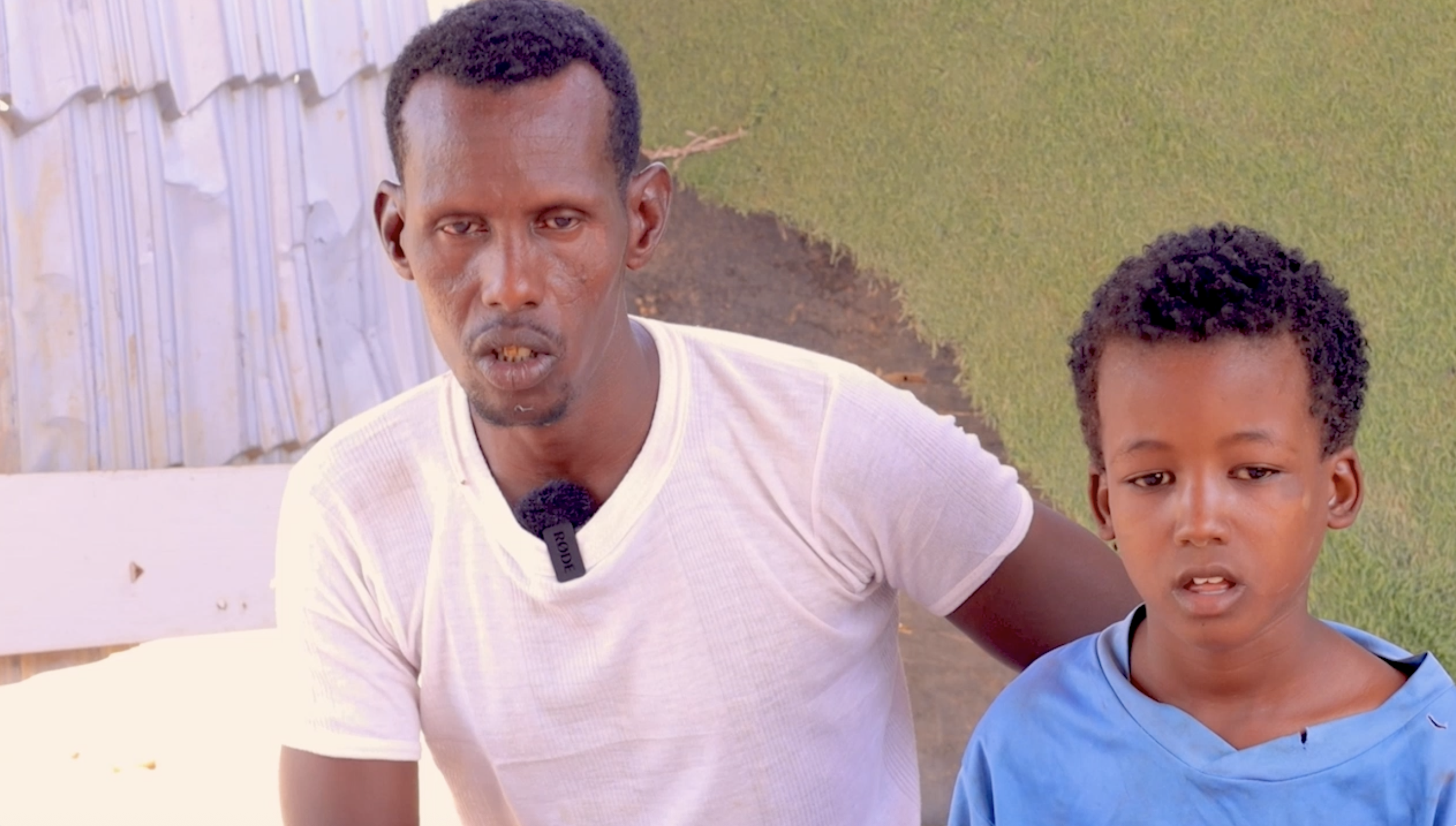
Nuur Ibrahim’s life was forever changed in 2016 when his nine-year-old son was killed in the crossfire during clashes in Galkayo between rival Puntland and Galmudug forces.
“That morning, people died. My son was among them. He was just a schoolboy,” Nuur said, sitting inside a displacement camp in Garowe, where he now lives with his family.
His grief is echoed by Abdi Ibrahim, who lost his niece in the same conflict. “She left for school that morning and never came back. A bullet took her life,” Abdi told us, hopeless that justice will ever reach his family.
These stories are far from isolated. Thousands of already displaced families in cities like Galkayo are frequently uprooted again by flare-ups in violence, fueled by competition over pasture, water, and land—and intensified by political polarization and the absence of effective governance.
Ahmed Abshir, an economics lecturer in Garowe, traced the roots of Somalia’s conflicts back to natural resource scarcity.
“Somalis have always been pastoralists. Conflicts over pasture and water have always existed. But the absence of community-led justice systems and the collapse of fair governance have made these disputes deadly,” he said.
He also warned that excluding women and youth from peacebuilding efforts, and sidelining intellectual voices, continues to hinder meaningful progress.
In early 2023, war between Somaliland and SSC-Khaatumo in Lasanood sparked yet another humanitarian crisis. Many displaced families—already refugees once—were forced to flee again.
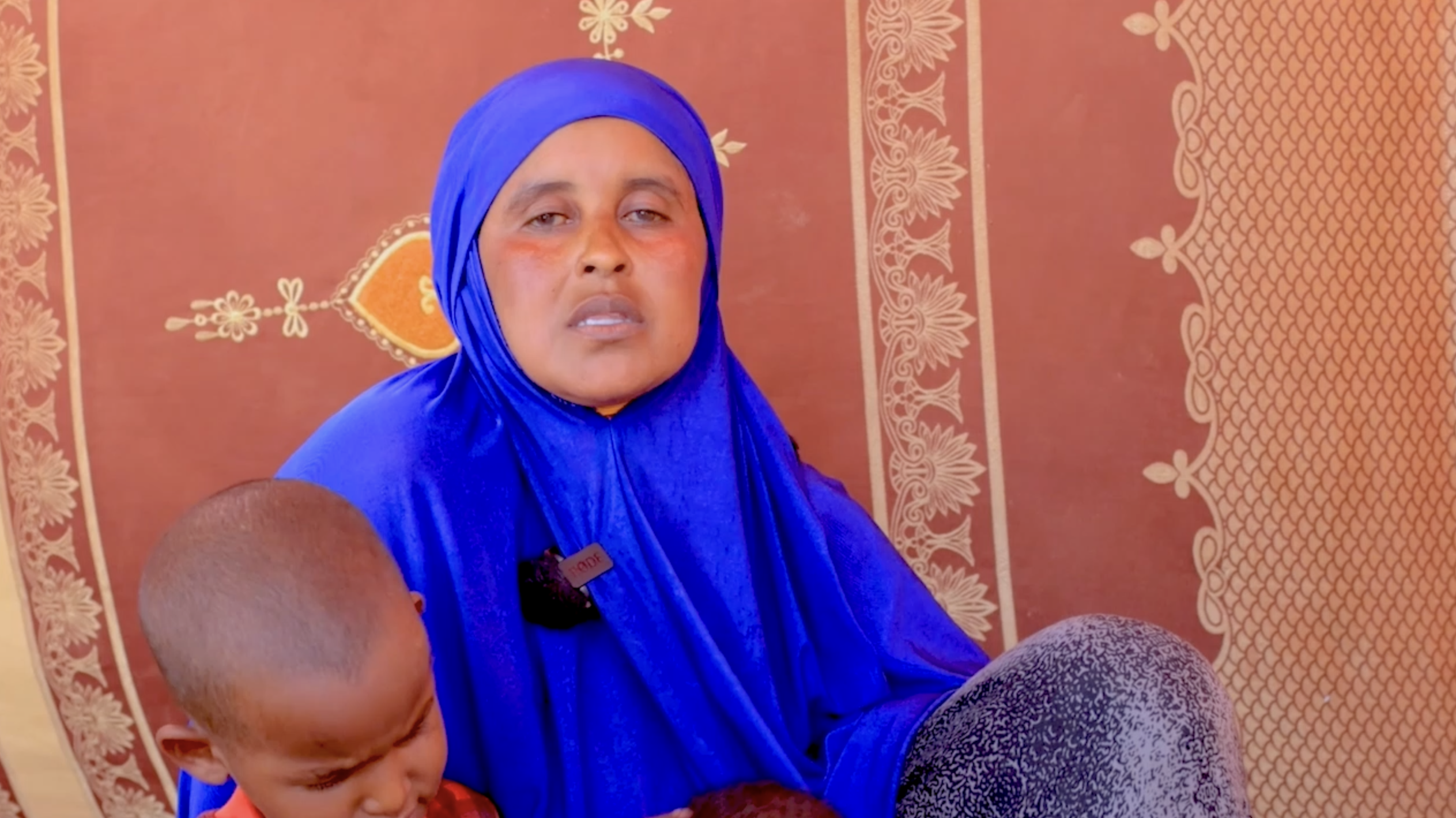
Haawo Isaaq and Maryan Jimcaale were among them. “We went seven days without food before reaching Galkayo. From there, we made it to Garowe,” said Haawo.
Maryan, still haunted by what she witnessed, offered a simple truth: “Somalis must reconcile and unite. That’s the only way we’ll heal.”
The Puntland capital of Garowe, often seen as relatively stable, faced its own crisis in June 2023, when political tensions over elections erupted into nearly a month of unrest.
Protesters clashed with security forces. Civilians fled. Deaths were reported including civilians.
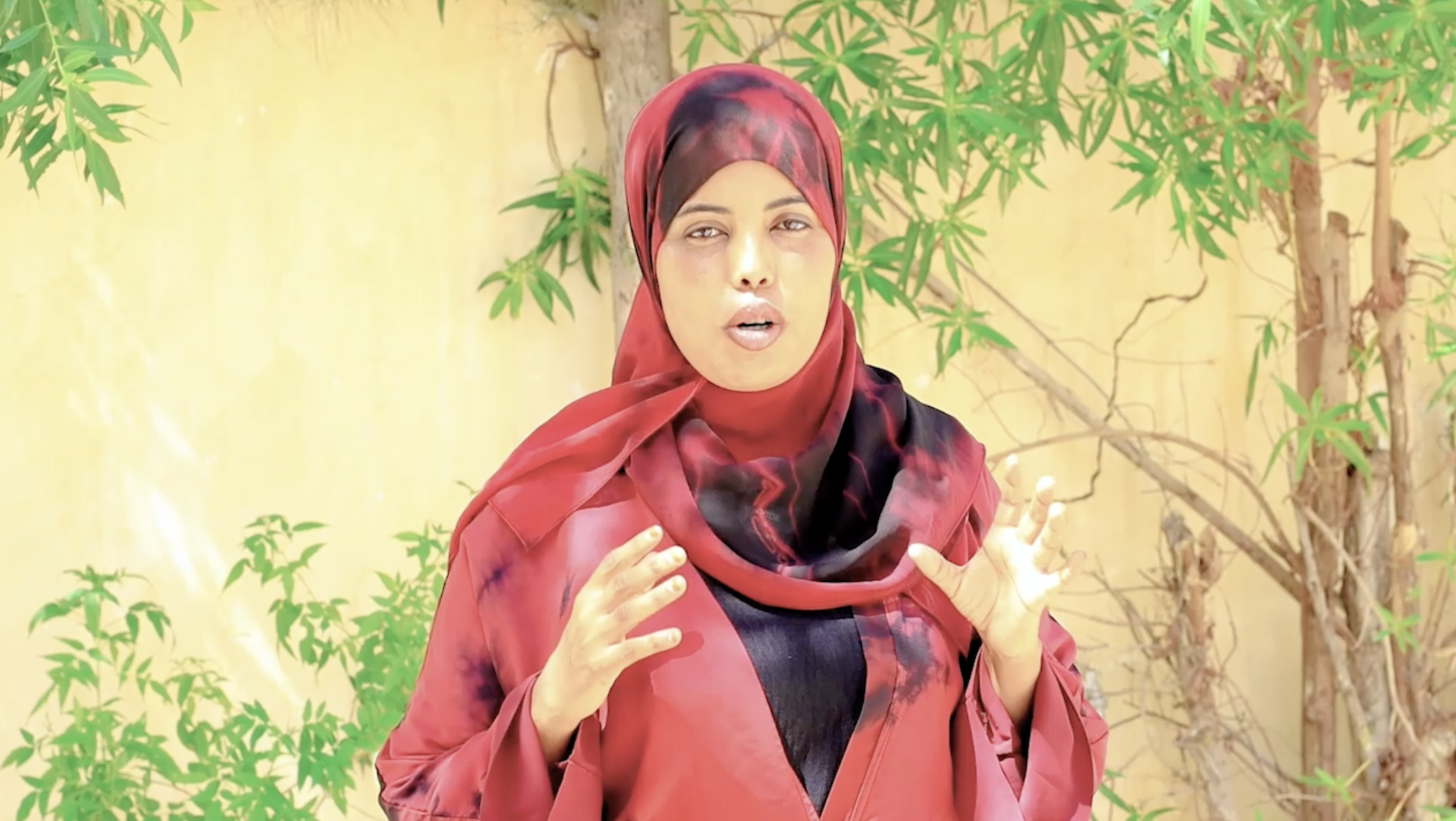
Maymuun Abdirisaaq, a young journalist, was supposed to attend her graduation ceremony that month. Instead, she fled with her family.
“Women came out to protest, demanding peace and dialogue. They marched to the gates of Parliament,” she recalled. “Youth also raised their voices.”
“Clannism Is a Rotting Corpse”
Elder Abdullahi Sheikh Mahmoud, now in his 70s, remembers a different Somalia—one where people traveled freely without fear of clan checkpoints or identity-based attacks.
“Clannism is a rotting corpse,” he said. “The real solution is justice and good governance. Disputes must be put aside. Religious scholars and elders must guide the people without bias.”
But unity remains difficult and a divided leadership only makes a divided nation.
Sheikh Cabdinur, a respected religious leader, criticized both politicians and religious scholars for their role in prolonging conflict.
“Our political leaders have sidelined religious figures. And our scholars are themselves divided. Without unity among leaders, peace will always be out of reach,” he said.
Still, he urged Somalis to raise their children differently—to reject clannism and embrace national identity.
Social Media: Catalyst for Peace or Conflict?
Social media has emerged as a double-edged sword. While it provides platforms for awareness and mobilization, it has also become a tool for incitement.
Disturbing videos from conflict zones—such as Mudug, Galgaduud, and the Shabelle regions—have been widely circulated. Some openly glorify clan-based militias and violence.
“Social media is now a major driver of conflict,” warned media analyst Hassan Heykal.
All those interviewed—whether elders, youth, women, or intellectuals—agree on four key solutions: Genuine reconciliation among all Somali communities, job creation and economic opportunities for youth, justice and rebuilding community trust and rejecting clannism in favor of inclusive national identity.
Without these, they say, the cycle of violence will continue—again and again.
But one final, sobering question remains: Who will take responsibility to lead Somalia out of this spiral?